
Related videos:
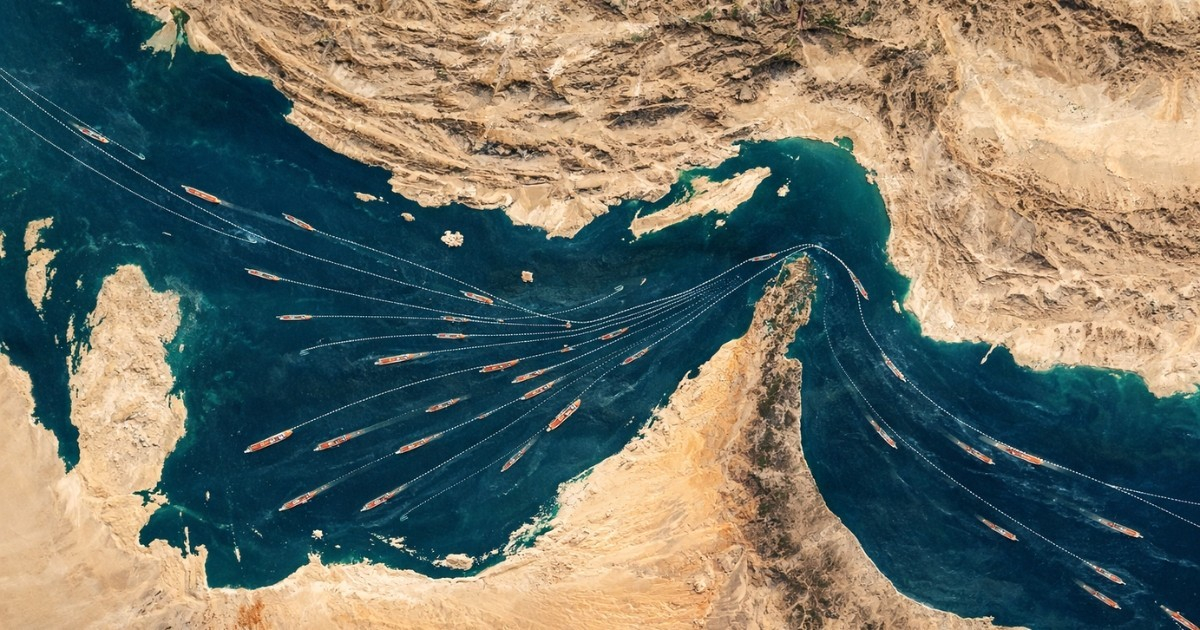
The Secretary-General of the UN, António Guterres, urged on Monday for the "immediate" reopening of the Strait of Hormuz and warned that the disruption of maritime traffic in this strategic route "threatens to trigger an energy crisis, severe trade disruptions, and a potential global food emergency."
Guterres spoke during an open debate of the Security Council organized by Bahrain and described the situation as "the greatest disruption of supply chains since the COVID-19 pandemic and the war in Ukraine."
According to a report from EFE, the head of the UN reminded that nearly one-fifth of the world's oil trade, one-fifth of liquefied natural gas, and almost one-third of internationally traded fertilizers pass through the Strait of Hormuz.
"Open the strait. Allow trade to resume. Let the global economy breathe. This moment demands moderation and dialogue," he declared before the Security Council.
The humanitarian impact is already alarming: more than 20,000 sailors remain stranded at sea and over 2,000 commercial vessels are trapped between risks and navigation restrictions.
"These individuals are not part of any conflict. They are civilian workers who keep the world supplied," emphasized the Portuguese diplomat.
Guterres warned that "an extension of the blockade could push millions of people, especially in Africa and South Asia, into hunger and poverty."
The World Food Programme forecasts an additional 45 million people facing acute hunger globally, with increases of 21% in West and Central Africa, while the FAO estimates a decline of up to 50% in cereal yields in key African regions for the 2026-2027 season.
Meanwhile, 96 countries demand the reopening of the strait "without obstacles or transit fees," in a joint statement led by Bahrain, which includes Spain, the United States, the European Union, the League of Arab States, and the Gulf Cooperation Council.
The Secretary-General of the International Maritime Organization, Arsenio Domínguez, stated before the Council that the principle of freedom of navigation "is non-negotiable."
Iran closed the Strait of Hormuz on March 4, 2026, using mines, drones, and missiles, in retaliation for Operation Epic Fury, a joint offensive by the United States and Israel that destroyed Iranian military infrastructure and killed Supreme Leader Ali Khamenei along with 49 high-ranking officials.
The price of Brent crude soared from $67 per barrel in February 2026 to over $126, and the International Energy Agency has described the crisis as the most severe energy supply crisis in history.
After the failure of negotiations in Islamabad on April 12, Trump ordered a naval blockade with 12 warships, 100 aircraft, and 10,000 personnel in the Gulf of Oman, effective from April 13.
On April 23, Trump ordered the Navy to fire on vessels laying mines in the strait, stating that the United States seeks "total control" of the maritime route.
Iran proposed on Monday to reopen the Strait in exchange for Washington lifting its naval blockade and ending the war, excluding negotiations over its nuclear program; the proposal was communicated through Pakistan and rejected by Trump.
This Tuesday, Trump posted on Truth Social that Iran informed him it is in a "State of Collapse" and is requesting that the United States open the Strait of Hormuz "as soon as possible."
The United Arab Emirates announced its departure from OPEC and OPEC+, effective May 1, in a move that analysts view as a blow to the oil cartel amid the ongoing energy crisis.
Guterres reiterated that his good offices remain "available" to facilitate a negotiated solution, but Russia and China already vetoed a Security Council resolution on April 7 to unblock the strait, with 11 votes in favor, two against, and two abstentions.
Filed under: