
Related videos:
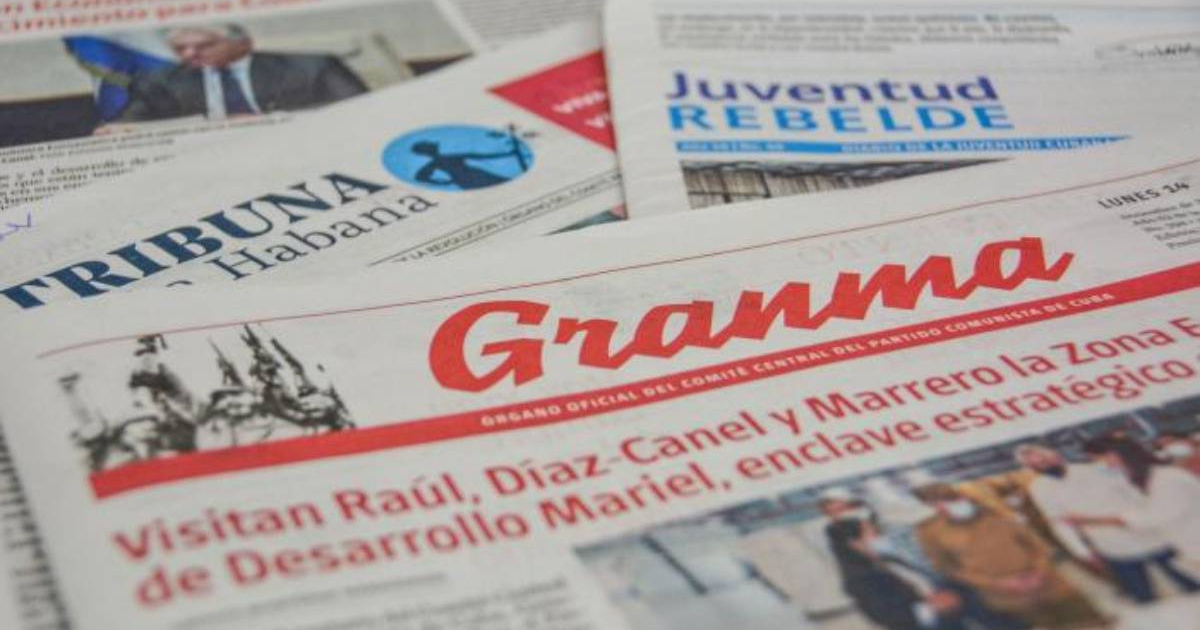
Cuba ranks 160th out of 180 countries in the 2026 World Press Freedom Index by Reporters Without Borders (RSF), published this Thursday, making it the second worst country in the Americas for this indicator, only behind Nicaragua (168th place).
Venezuela ranks 159th, just one step above Cuba, while Nicaragua closes the regional list with the lowest rating in the Americas.
RSF describes an island that "is going through a deep crisis that forces the few independent journalists to operate increasingly in secrecy." The Cuban Constitution establishes that the media are state-owned, making any non-official journalism illegal or underground.
Repression has alarmingly intensified. In January 2026, the Cuban Institute for Freedom of Expression and the Press (ICLEP) documented 114 assaults against journalists, of which 69 were arbitrary detentions, reflecting an increase of 430.8% compared to the same month in 2025.
Among the most documented cases is that of journalist Henry Constantín, director of La Hora de Cuba, detained at least three times in January 2026, including an enforced disappearance of 44 hours on January 14 and another detention on the 27th of that month along with fellow journalist Alejandra García.
The Inter-American Press Association demanded the release of Constantín in July 2025, denouncing systematic harassment and a travel ban that has been in place for seven years.
In the 2024 edition of the same index, Cuba ranked 168th as the worst Latin American country in press freedom. The slight numerical rise in 2026 does not reflect any real improvement on the island, but rather the worsening of the situation in other countries in the region.
At the regional level, the Americas are experiencing widespread deterioration: they have lost 14 points in the RSF index since 2022. The United States falls seven positions to 64th place, Ecuador drops 31 places to 125th due to organized crime violence, and Argentina slips 11 positions to 98th place.
The global outlook is also not promising. For the first time in the 25-year history of the ranking, more than 52.2% of the countries in the world are classified as being in a "difficult" or "very serious" situation, compared to the 13.7% that represented in 2002. Less than 1% of the global population currently lives in a country where the press is considered to be in a "good" situation.
The legal indicator has seen the largest decline this year, highlighting a global trend toward the criminalization of journalism through national security laws and abusive legal actions.
Norway tops the rankings for the tenth consecutive year, while Eritrea remains in last place for the third consecutive year.
Anne Bocandé, editorial director of RSF, issued a direct warning: "Authoritarian states, complicit or ineffective political powers, predatory economic actors, and platforms that have become uncontrollable bear a direct and overwhelming responsibility. In this context, passivity becomes a form of complicity."
Filed under: