
Related videos:
The Criminal and Correctional Chamber V of Buenos Aires overturned the processing of Cuban influencer Ernesto Prieto Gratacós and ruled that there was insufficient evidence against him and his two collaborators, who were accused of fraud for selling an alleged cancer cure without scientific support, as reported by Infobae.
The decision, made by judges Rodolfo Pociello Argerich and Hernán López, does not close the case, as the magistrates ordered to deepen the investigation, expand the scientific expertise, and add new witnesses before reevaluating whether it is appropriate to charge the defendants.
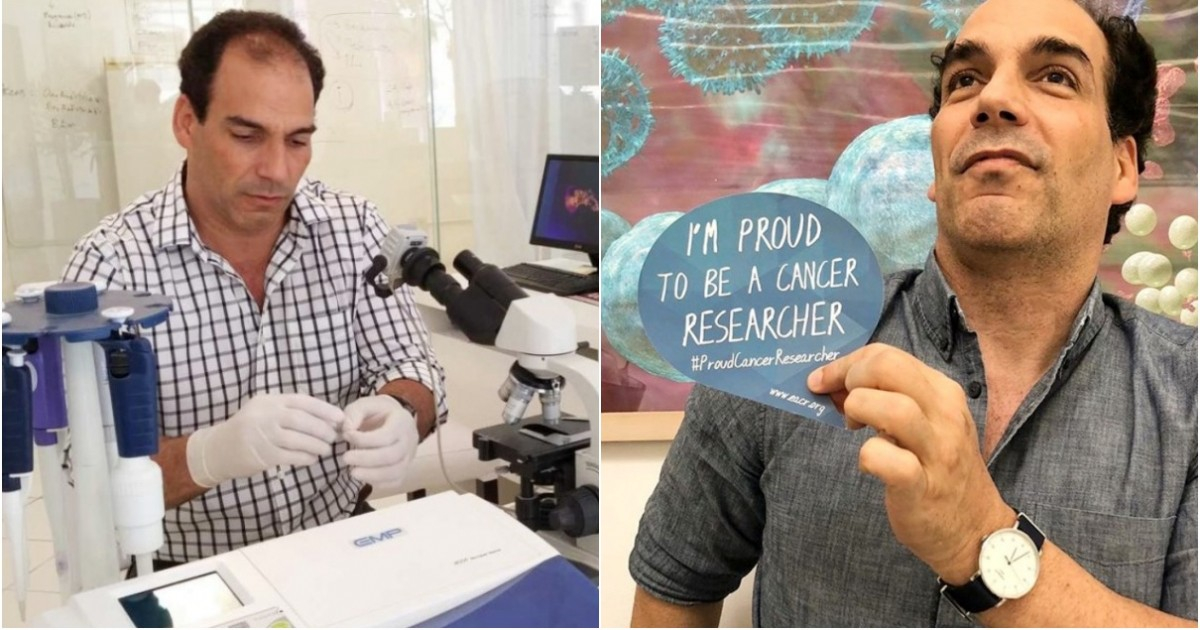
Prieto Gratacós, born in Havana in 1967 and residing in Argentina since 1997, directed the Metabolic Therapy Center on Paraná Street in Buenos Aires, a facility licensed solely as a dental office that operated as a pseudoclinic for oncology.
Without a medical title —he defined himself as a "writer" and "self-taught"— he amassed 339,000 followers on Instagram and thousands more on YouTube, where he promoted "revolutionary" therapies against cancer.
Two women from Buenos Aires diagnosed with pancreatic and colon cancer began treatment at the center in mid-2019 and passed away in January and May of 2020, respectively.
Their families filed the criminal complaint that initiated the case, although the Forensic Medical Corps could not establish a direct causal link between the treatment and the deaths.
The initial proceedings of the Cuban influencer were issued on February 24, 2026, by Judge Martín Yadarola, who imposed an embargo of 20 million pesos on each of the three defendants: Prieto Gratacós, María Victoria Rodríguez Amador, and Roberto Álvarez.
Yadarola accused Prieto Gratacós and Amador of "making false promises of recovery or guaranteeing a better life expectancy."
The Chamber revoked that indictment because the expert report was inconclusive regarding the existence of scientific backing for the therapies, and because the level of involvement of each defendant was not clear.
"It has not been possible to determine whether the treatment provided at the Metabolic Therapy Center has any scientific endorsement or how involved each of the defendants was in client recruitment and information facilitation," the judges noted.
The judges were more specific about the limitations of the expert report: "The expert report has not been conclusive regarding the existence or absence of scientific research supporting the effectiveness of the therapy, as the professionals responsible for the report merely stated that, after an extensive search, they had found no scientific backing."
The substances seized during the raid in July 2020 were analyzed by the National Administration of Medicines, Food and Medical Technology (ANMAT) and described as "nothing at all" in medical terms, although that result was not enough to uphold the prosecution without a more thorough expert examination.
The court also ordered to hear more witnesses: "The court deems it necessary to hear testimony from other witnesses (patients and/or family members) to express what the professionals or staff at the center assured them regarding the therapies."
Despite the closure of the center in 2020 and the legal proceedings in February 2026, Prieto Gratacós continued publishing content on YouTube until January 2026, illustrating the challenges faced by authorities in curbing this type of activity in the digital environment.
Filed under: