
Related videos:
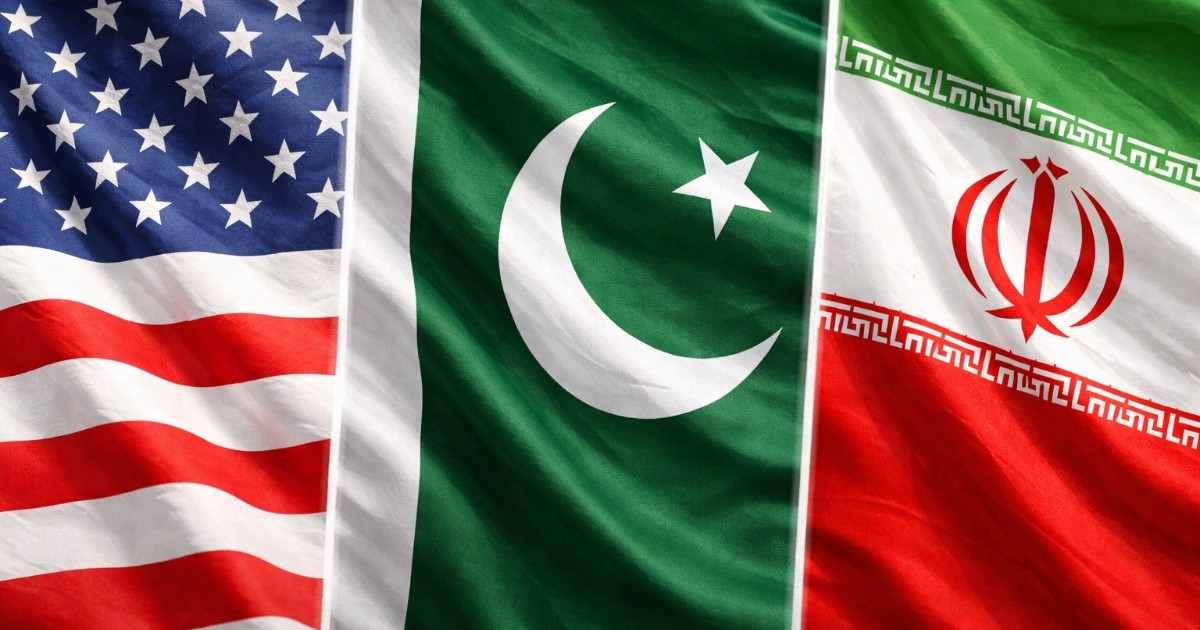
Iran confirmed this Sunday that it has received, through Pakistan, Washington's response to its 14-point peace plan, as stated by the spokesperson for the Iranian Ministry of Foreign Affairs, Esmaeil Baqaei.
“The United States’ opinion on Tehran's proposal has reached Iran through Pakistan. This opinion is currently being reviewed, and once completed, Iran's response will be presented,” stated Baqaei, whose remarks were reported by the Tasnim agency, associated with the Iranian Revolutionary Guard.
Shortly after, he said: «Iran's 14-point proposal focuses solely on ending the war. The details of the nuclear issue have no place in these points».
The Iranian 14-point plan is a counterproposal to the nine-point plan previously presented by Washington, and aims to permanently end the hostilities stemming from the Operation Epic Fury, the joint military offensive by the U.S. and Israel launched on February 28, 2026.
Among the key elements of the Iranian proposal are an initial two-month ceasefire, the withdrawal of U.S. forces from the region, the lifting of the naval blockade in the Strait of Hormuz, the release of frozen assets, the payment of compensations, and the cessation of hostilities on all fronts, including Lebanon.
The Iranian Deputy Foreign Minister, Kazem Gharibabadi, described the aim of the plan as permanently ending the "imposed war," and warned that "the ball is in the United States' court to choose the path of diplomacy or continue a confrontational approach," adding that Iran is "prepared for both paths."
The president's initial reaction was one of skepticism. According to reports from the U.S. press, Trump stated that he cannot imagine the proposal being acceptable because Iran "has not paid a sufficiently high price" for its actions over the last 47 years, although he noted that the proposal is under review.
This exchange of proposals occurs within the framework of a ceasefire in effect since April 7, which has been extended indefinitely at the request of Pakistan, following the failure of formal negotiations held in Islamabad from April 10 to 12.
In those conversations, Vice President JD Vance led the U.S. delegation, but the 21 hours of negotiations did not result in an agreement. "They have chosen not to accept our terms," Vance stated at the conclusion of the failed negotiations in Islamabad.
The current 14-point plan represents Iran's second major formal proposal, following Tehran's submission of a 10-point counterproposal on April 6, in which it committed to not producing nuclear weapons while asserting its right to enrich uranium and seeking economic compensations.
Pakistan has served as a diplomatic channel in all documented rounds of negotiation since the beginning of the conflict, becoming the sole communication bridge between Washington and Tehran.
The war has cost the U.S. approximately $25 billion by the end of April, with 13 soldiers dead and over 380 injured, according to official data.
Iran is now awaiting a formal response from Washington to its 14-point plan to end the conflict, with no public deadline set for that response.
Filed under: