
Related videos:
The sale of liquefied gas in dollars through platforms like Katapulk and Supermarket23 confirms an evident reality for millions of Cubans: surviving in Cuba increasingly depends on having access to foreign currency.
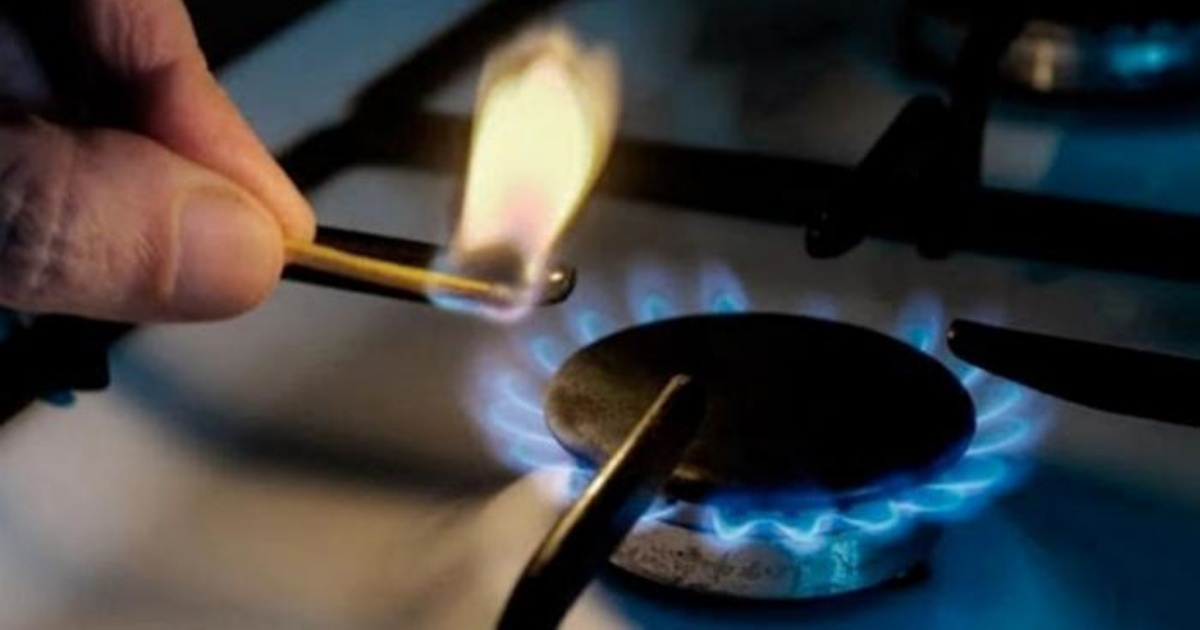
Both platforms began to commercialize liquefied gas cylinders of 10 kilograms —the popular "balitas"— at 29 dollars, with delivery available only in Havana and under one mandatory condition: the customer must provide an empty cylinder of the same size and in good condition to receive the full one.
The measure comes amid a crisis of prolonged state supply of LPG, characterized by long interruptions, extended sales cycles, and thousands of households affected by the shortage.
The regime insists on blaming the U.S. embargo, but the deterioration of services is also due to the lack of liquidity of the Cuban state. In January 2026, the tanker Emilia returned empty to Cuba due to the government's inability to pay.
Meanwhile, the options available to alleviate the crisis are exclusively aimed at those who receive remittances or have access to dollars.
The 29 dollars that a gas canister costs currently equate to about 15,660 Cuban pesos at the informal exchange rate, a figure that is practically impossible for most workers and retirees earning in national currency to afford.
Dollarization is no longer limited to food stores or gas stations. It also encompasses basic services directly linked to daily survival: cooking, transportation, and access to stable electricity.
Since 2024, nearly 30 state-run gas stations sell fuel exclusively in dollars, while the private sector has begun to import diesel and liquefied gas from the United States under licenses authorized by Washington.
The contrast is becoming increasingly evident: while the State acknowledges that it cannot guarantee a stable supply of essential products, it allows and regulates dollarized markets that exclude a large portion of the population.
On social media, many Cubans reacted with outrage. “Also price electricity, water, and ETECSA in dollars, but pay salaries in dollars,” one user demanded.
For thousands of families who today cook with firewood or improvise electric stoves amid constant blackouts, the new gas offer does not represent a solution, but rather another sign that in Cuba, even cooking has become a luxury.
Filed under: