
Related videos:
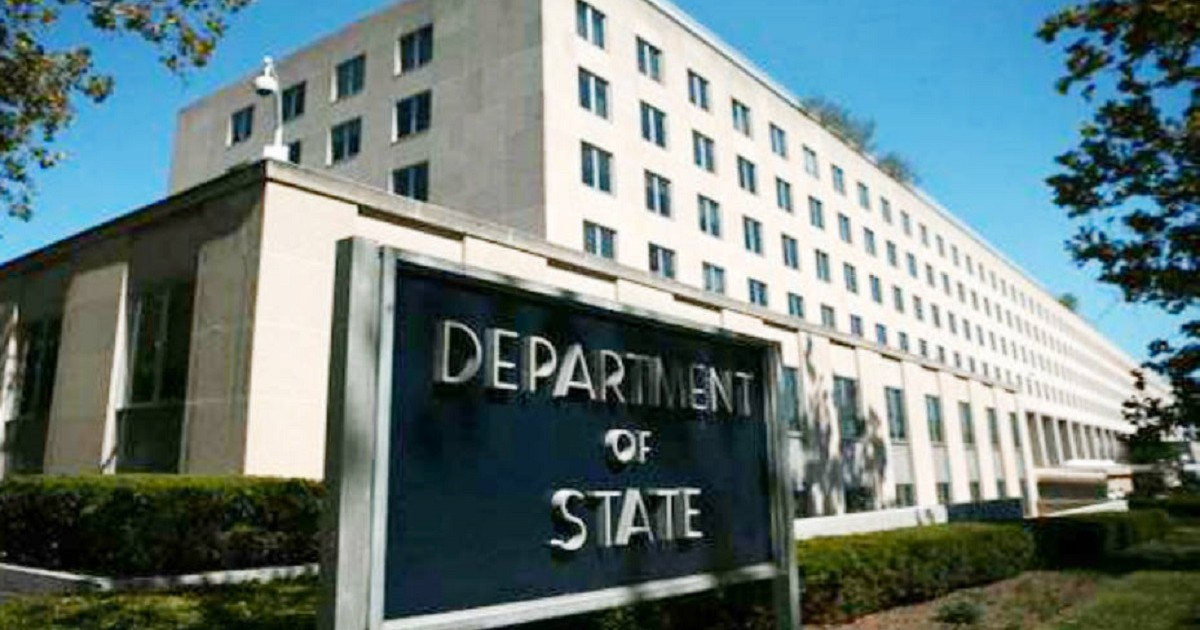
The U.S. Department of State designated GAESA this Thursday under a new sanctions package and gave foreign companies and financial institutions until June 5, 2026, to cease all operations with the Cuban military conglomerate, under the threat of secondary sanctions.
Secretary of State Marco Rubio made the appointments under Executive Order 14404, signed by President Donald Trump on May 1, and warned that in the coming days and weeks new measures against the Cuban regime could be announced.
The Office of Foreign Assets Control (OFAC) clarified in a document of frequently asked questions published this Thursday that the U.S. government does not intend to sanction foreign individuals —including financial institutions— for routine settlement transactions with GAESA or with entities in which the conglomerate holds, directly or indirectly, 50% or more ownership, as long as such operations are completed before June 5.
However, once the deadline has passed, any transaction with GAESA or its subsidiaries will expose foreign parties to secondary sanctions.
The OFAC also warned that actions aimed at returning assets to a sanctioned entity or transferring them to another jurisdiction for potential use by that entity could expose non-U.S. persons to "significant sanctions risk," even before the grace period expires.
Along with GAESA, Rubio also sanctioned Ania Guillermina Lastres Morera, the executive president of the conglomerate and a brigadier general of the Revolutionary Armed Forces, as well as Moa Nickel S.A. (MNSA), a joint venture between the Canadian Sherritt International Corporation and the Cuban state-owned General Nickel Company.
The State Department described GAESA as "the core of Cuba's kleptocratic communist system" and stated that it controls about 40% of the island's economy. According to Washington, the conglomerate's revenue "likely triples the state budget," while up to $20 billion in illicit assets are believed to have been diverted to hidden bank accounts abroad.
Rubio defended the measures with a strong message: “The Trump Administration is taking decisive action to protect the national security of the United States and to deny the communist regime and the armed forces of Cuba access to illicit assets.”
The impact of the sanctions was immediate. Sherritt International announced that same day the suspension of all its direct operations in Cuba and began the repatriation of its expatriate employees, claiming that the executive order makes it “materially impossible” to maintain normal operations on the island.
The exit of Sherritt represents an additional blow to the already deteriorating Cuban energy system. The Canadian company contributes between 10% and 15% of the country's independent power generation capacity, amid a crisis marked by blackouts affecting more than 55% of the territory for up to 25 hours a day.
Individuals subject to U.S. jurisdiction do not benefit from the grace period, as they have been prohibited from engaging with GAESA since December 21, 2020, when the conglomerate was added to the List of Specially Designated Nationals and Blocked Persons (SDN).
The Executive Order 14404 also establishes a new sanctions program under the International Emergency Economic Powers Act, independent of the Cuban Assets Control Regulations, and expands the framework approved by Trump on May 1 to include secondary sanctions against foreign individuals and financial entities that conduct business with the regime.
Since January 2026, the Trump administration has imposed more than 240 sanctions against the Cuban regime and intercepted at least seven oil tankers, reducing the island's energy imports by between 80% and 90%, according to official U.S. figures.
The State Department concluded its statement with a warning that also leaves the door open for change: “The ultimate goal of the sanctions is not to punish, but to foster a positive change in behavior.”
Filed under: