
Related videos:
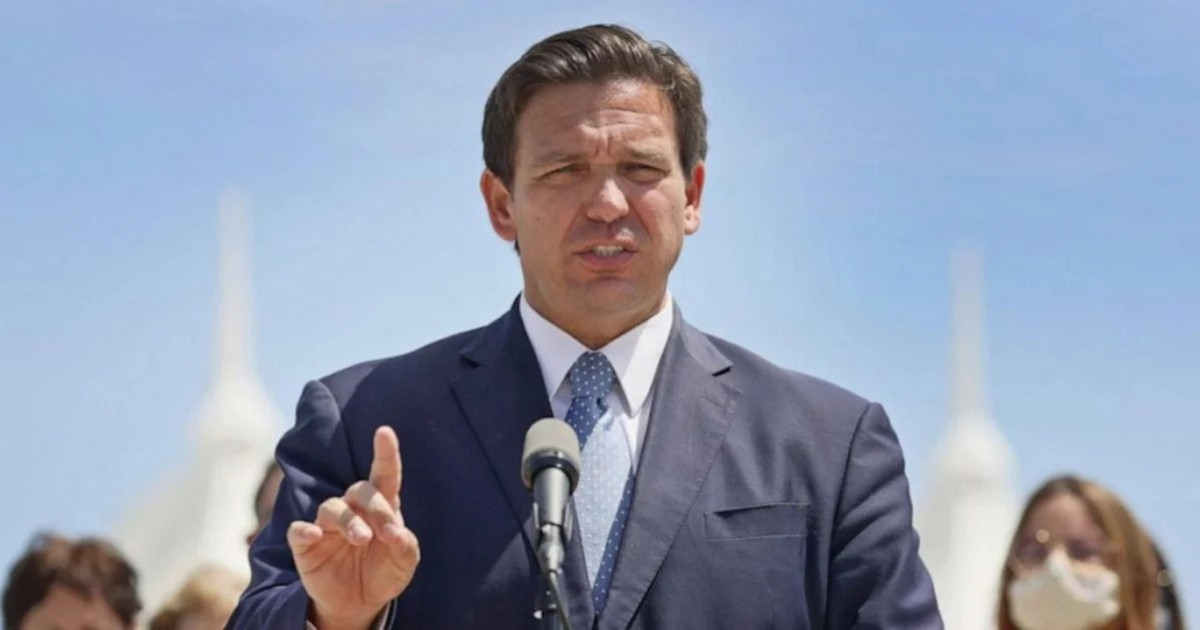
The governor of Florida, Ron DeSantis, declared this Thursday that he is open to closing the controversial immigration detention center in the Everglades known as "Alligator Alcatraz," confirming that it was always intended to be a temporary facility.
"We are willing to adjust to what makes sense, but it was always designed as a temporary facility," DeSantis told the press after it was revealed that Florida and the Trump administration are having preliminary discussions about the potential closure of the center.
The report was published this Thursday by The New York Times, which cited an anonymous federal official, a former official from Immigration and Customs Enforcement (ICE), and a person close to the governor's administration.
According to the newspaper, officials from the Department of Homeland Security (DHS) have reportedly concluded internally that keeping the facility operational is too expensive, with costs exceeding one million dollars daily and annual projections between 245 and 450 million dollars.
DeSantis defended the center's balance before discussing its possible closure: "It has had a significant impact, and if we turn off the lights tomorrow, we can say it served its purpose, because it has helped nearly 22,000 undocumented immigrants. And that's what it's all about."
The governor also stated that "at some point it will close" and that "this has always been the goal, and the airport will return to its normal use."
The DHS, however, denied in a statement that it is pressuring the state to cease operations: “Any report that the DHS is urging the state to stop operations at Alligator Alcatraz is false. Florida continues to be a valuable partner in advancing President Trump's immigration agenda.”
The facility was built in just eight days using state emergency powers and opened on July 3, 2025, at Dade-Collier Airport, within the Big Cypress National Preserve, as the first state-operated immigrant detention camp in the United States.
Florida requested a federal reimbursement of 608 million dollars to cover operational costs, but those funds remain blocked pending review by federal authorities.
Since its opening, the center has amassed a long list of complaints. Amnesty International documented torture and cruel treatment, including overcrowding, extreme temperatures, food shortages, and inadequate medical care.
In April, a new lawsuit reported the beating of Cuban Raiko López and the use of pepper spray in closed cells, accusations that the state of Florida dismissed as politically motivated.
In March, detained Cubans reported food shortages and a loss of up to 20 pounds in two months, which sparked protests within the facility.
In the judicial realm, the Eleventh Circuit Court of Appeals revoked the closure order issued by a federal judge in August 2025 for environmental violations on April 22, allowing the center to continue operating.
The DHS indicated that it continuously assesses the detention needs "to ensure that they meet the latest operational requirements" and reviews Florida's reimbursement request before releasing the funds, suggesting that the final decision regarding the future of the center will depend on both economic considerations and coordination between the state and the federal government.
Filed under: