
Related videos:
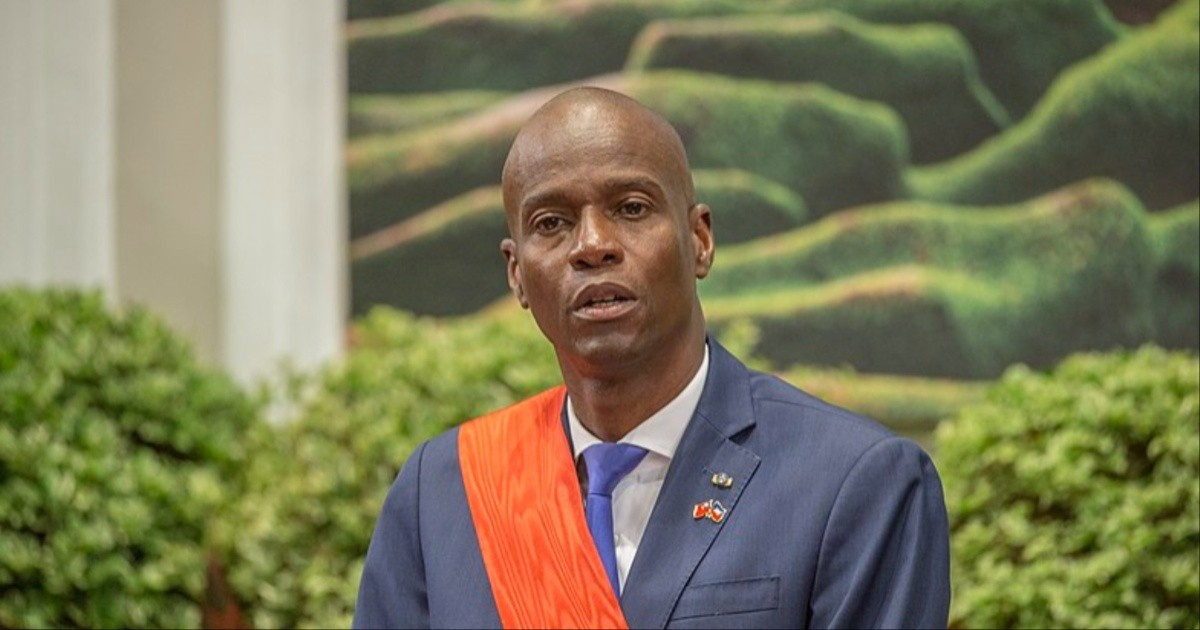
A federal jury of twelve members in Miami found four men from South Florida guilty this Friday of conspiring to kidnap or assassinate the president of Haiti, Jovenel Moïse, who was killed in his private residence in Port-au-Prince on July 7, 2021.
The convicted are Arcángel Pretel Ortiz (53 years), Antonio "Tony" Intriago (63 years), James Solages (40 years), and Walter Veintemilla, a mortgage broker from the Broward area.
The verdict came nearly five years after the assassination, following 39 days of testimony over almost nine weeks of trial that began on March 9, 2026, and after just over two days of jury deliberations.
Pretel Ortiz and Intriago were the owners of the Federal Academy of the Counter Terrorist Unit and the Counter Terrorist Unit Security (CTU), based in Doral, Florida.
According to prosecutors, the group conspired from South Florida to hire about twenty former Colombian soldiers and violently overthrow Moïse, with the goal of replacing him with a leader willing to grant them lucrative security and infrastructure contracts in Haiti.
The senior assistant prosecutor Sean McLaughlin stated bluntly before the jury: "This case is very simple. It is a case of greed, arrogance, and power."
The jury found all four defendants guilty of five charges, including conspiracy to provide material support —a charge related to terrorism— and violations of the U.S. Neutrality Act, which prohibits U.S. citizens from engaging in hostilities against countries with which the country is at peace.
Intriago was also convicted on three additional charges related to the shipment of bulletproof vests to Haiti, although he was acquitted of a fourth charge for violating export control laws.
The total budget for the coup amounted to approximately 343,000 dollars, partially funded by about 30,000 dollars in federal pandemic relief loans.
Solages accompanied the Colombian commandos on the night of the attack and shouted that the operation was being carried out by the DEA and the U.S. Army, according to a retired Colombian Army captain who testified for the prosecution.
The First Lady Martine Moïse, the government's first witness, stated that she heard the attackers speaking in Spanish and searching the bedroom for a mysterious document. Moïse was shot 12 times; a bullet to the heart was the fatal shot, according to Haiti's only forensic pathologist.
The FBI collected 8,000 gigabytes of data from more than 100 electronic devices in the U.S., Colombia, and Haiti, including a 900-page summary of text messages and voice notes that illustrated the evolution of the plot.
This verdict adds to previous sentences handed down in Miami against others involved in the assassination, including Haitian-Chilean businessman Rodolphe Jaar, who was sentenced to life in prison in June 2023.
Mario Antonio Palacios, a former Colombian soldier, was also sentenced to life in Miami in March 2024, in another case stemming from the same incident.
A fifth accused, Christian Emmanuel Sanon —a doctor and pastor born in Haiti who lived in South Florida and was the initial candidate of the conspirators to succeed Moïse— will be tried at a later date due to health issues.
After the assassination, Haiti collapsed into an unprecedented spiral of gang violence that has displaced nearly 1.5 million Haitians and left one in two without enough food.
The four convicted individuals face life sentences. The district judge Jacqueline Becerra, who described the case as "of great significance," is scheduled to hold the sentencing hearing at the end of the summer of 2026.
Filed under: