
Related videos:
The depths of Cuba's insular platform become this Sunday the setting for a unique marine natural phenomenon: the spawning of hermatypic corals, a mass synchronized reproductive event of great importance for the health of the country's reefs.
A multidisciplinary team of scientists, students, and volunteers embarks today on a mission led by the Centro de Investigaciones Marinas (CIM) of the University of Havana, together with the National Aquarium of Cuba and the Marine Section of the Cuban Society of Zoology, as reported by its organizers to the Cuban News Agency (ACN).
The central objective of the expedition in 2026 is ambitious: to refine the national coral spawning calendar, an essential scientific tool for planning future restoration interventions for the nation’s coral ecosystems, the source indicates.
Before the immersion, expand the report; the CIM hosted last Friday the keynote speeches of specialists Patricia González Díaz and Marileidy Albertus, who delved into the challenges of sexual reproduction of coral reefs.
Both experts summarized the mission as follows: "The goal for 2026 is ambitious: to refine the national coral spawning calendar, a task that demands scientific rigor and an unwavering passion for conservation."
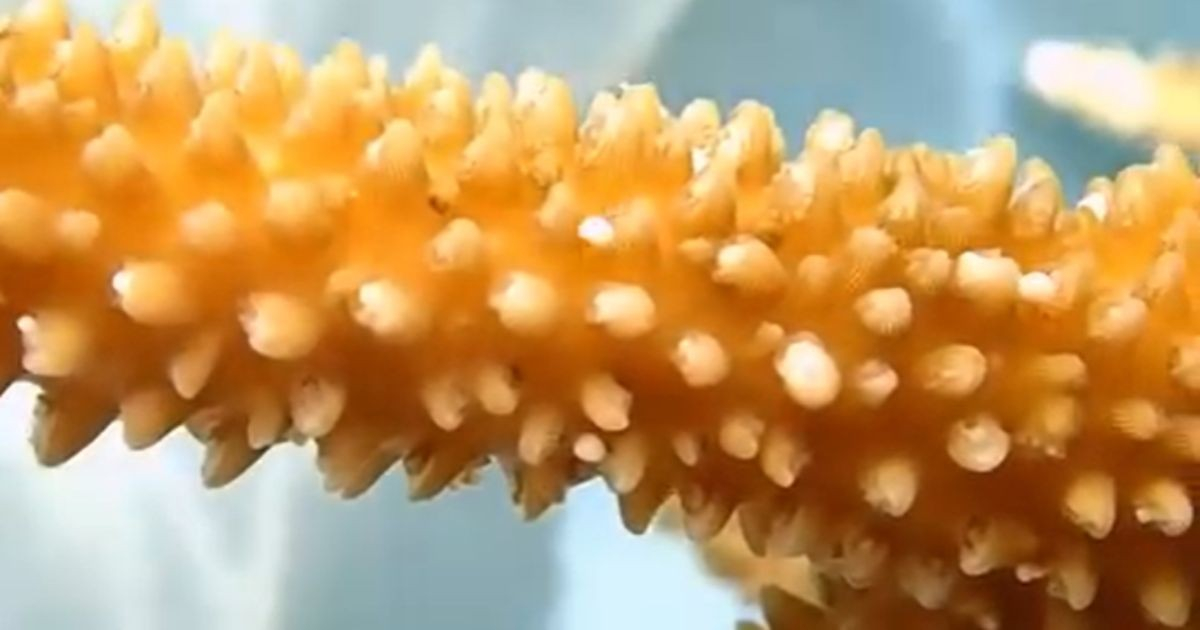
The hermatypic corals, the main actors in this event, are those that significantly contribute to the construction of reefs by providing calcium carbonate from their skeletons, making them the primary architects of these ecosystems.
Coral spawning is a phenomenon in which entire colonies simultaneously release millions of gametes—eggs and sperm—into the water in a single night, creating what scientists describe as a "biological snowfall" of rising white bubbles. This sexual reproduction process is essential as it generates genetic diversity within the reefs, making them more resilient to bleaching and climate change.
The observation and documentation of natural spawning is part of a broader scientific strategy, outlined in the CoralCarib reef restoration project, funded with 10.8 million euros by the International Climate Protection Initiative of Germany, which covers 1,871 hectares of priority reefs in Cuba, the Dominican Republic, Jamaica, and Haiti.
This project combines asexual reproduction through coral fragmentation and assisted sexual reproduction with gamete collection and larval cultivation, thereby complementing fragmentation nurseries with genetically unique individuals.
In Guanahacabibes, techniques were applied to reproduce corals of Acropora cervicornis, and in August 2022, 11 monitored colonies spawned as part of those assisted reproduction techniques.
The urgency of these initiatives is a response to increasing threats. In 2024, mass coral mortality was confirmed in the National Park Desembarco del Granma, where the species Acropora palmata suffered documented losses by the Eastern Center for Ecosystems and Biodiversity in Santiago de Cuba.
This is compounded by the emergence of invasive species: in September 2022, the first presence of the white coral Unomia stolonifera was detected in the Bacuranao cove, east of Havana, which was eradicated in 2023. And in June 2025, the decomposition of sargassum posed a risk to marine biodiversity in coastal areas such as Baitiquirí Bay in Guantánamo.
Despite these pressures, Cuban reefs are considered among the best preserved in the Caribbean. Researcher Dorka Cobián Rojas, in charge of the monitoring program in Guanahacabibes, warned that Cuba is trying to rescue its damaged reefs from overfishing and global warming, noting that "the reefs have been seriously affected in recent years."
The CIM, founded in 1970, is a leading scientific institution in marine research in Cuba and has fostered international collaborations for the monitoring of coral ecosystems.
Filed under: