
Related videos:
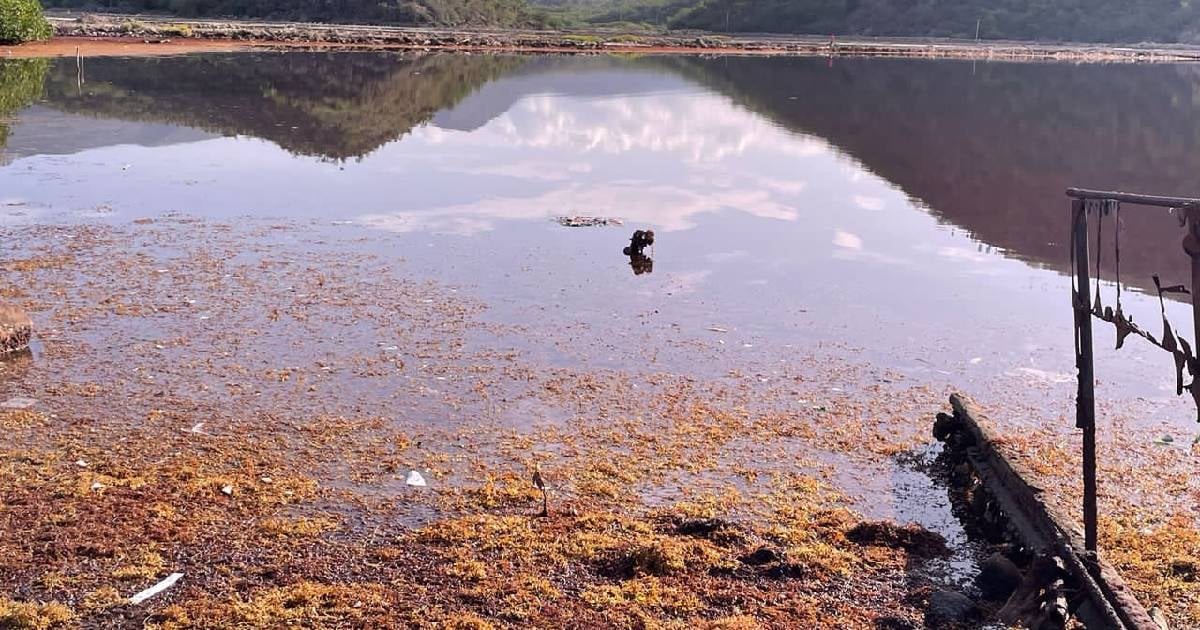
The sargassum tide has once again hit the coastline of the province of Guantánamo with strong force, this time with unprecedented intensity, especially in the bay of Baitiquirí, where the accumulation of decomposing algae creates an unhealthy environment, bad odors, and toxic gases.
Among the residents, cases of headaches, nausea, and other symptoms related to exposure to hydrogen sulfide, ammonia, and methane have been reported. These substances are emitted by decaying macroalgae, explained Iroel Cantillo Cartaya, a specialist from the Ministry of Science, Technology, and Environment (CITMA) in San Antonio del Sur, to the official newspaper Venceremos.
These gases and the water contaminated by decomposed sargassum can affect human health. For this reason, health authorities have initiated investigations and recommend that the public avoid contact with the algae, refrain from swimming or walking in affected areas, and use masks as a preventive measure.
In parallel, public hearings are being held to inform the population about the risks. However, beyond the warnings, the municipality does not have sufficient technical resources to tackle the magnitude of the problem. In the case of Baitiquirí, the cleanup is practically unfeasible.
The beaches of Sabanalamar, Los Siguatos, El Guanal, and Yateritas could be cleaned up before summer, but only if the trend of decreasing sargassum continues from July. Even so, the level of decomposition reached by then will pose other sanitary and logistical challenges.
The management of algae after removal also has no solution. "From the municipality's perspective, managing sargassum as a final disposal method is difficult due to a lack of technology for its possible reuse, and what is collected is transported far from bathing areas to dry and stop emitting gases and unpleasant odors," Cantillo noted. This is an improvised and limited solution to a phenomenon that will continue to recur each year.
The environmental impact is also concerning: the sargassum on the coast blocks essential sunlight for the reefs, suffocates marine life as it sinks, and when it reaches the shore, it leads to the death of numerous creatures that inhabit these algae. What may be part of a balanced ecosystem in open water becomes a direct threat to biodiversity, human health, and local tourism, the specialist noted.
Although the Civil Defense has officially acknowledged the risk of sargassum in its Directive No. 1/2022 for disaster risk reduction, and despite ongoing studies by CITMA, the Institute of Marine Sciences, and Cuban universities, the most affected areas continue to face this environmental crisis without real tools, relying on the resilience of an exposed population with no options.
CITMA issued on June 23 a
Meanwhile, the Guantánamo Fishing Company warned on Facebook about the magnitude of the phenomenon, which coincides with the start of summer and has made fishing, beach recreation, and other marine activities uncomfortable.
The local journalist Miguel Noticias described the phenomenon as a "strike of sargassum" and outlined the serious environmental situation that the area is facing.
This environmental phenomenon has multiple interconnected causes on a global scale. The massive runoff of nutrients (particularly nitrogen and phosphorus) from large rivers like the Amazon, combined with the effects of climate change and alterations in ocean current patterns, has created ideal conditions for the unchecked proliferation of sargassum in the tropical Atlantic, which is then carried into the Caribbean.
The response capacity varies significantly among the affected countries. Mexico has implemented a comprehensive scheme that includes containment barriers, specialized ships, and processing plants. On the opposite end, Cuba faces serious limitations in equipment and technology to manage the situation adequately.
Other Caribbean nations such as the Dominican Republic have opted for preventive measures (floating barriers, temporary beach closures) and public health campaigns. At the same time, alternative uses for the algae are being explored—including its conversion into construction materials and agricultural products—although these solutions are not yet viable on a large scale.
In light of the magnitude of the challenge, the scientific community emphasizes the urgency of a unified regional approach. Among the identified priorities are: satellite surveillance systems, open sea collection mechanisms, development of processing infrastructure, and the creation of value chains that allow for transforming this pest into an economic resource.
Frequently Asked Questions about the Impact of Sargassum in Guantánamo
Why does sargassum pose a health risk in Guantánamo?
Decomposing sargassum emits toxic gases such as hydrogen sulfide, ammonia, and methane, which can cause headaches, nausea, and respiratory issues among residents of affected areas. Authorities have recommended avoiding contact with these algae to prevent health complications.
What measures are the Cuban authorities taking to address the issue of sargassum?
Authorities have issued alerts and recommendations to avoid contact with sargassum, but they are facing significant limitations in collection and final disposal due to a lack of technical and technological resources. In some areas, cleanup efforts are carried out with the support of volunteers and students.
What is the environmental impact of sargassum on the coasts of Guantánamo?
Sargassum blocks sunlight and affects marine biodiversity, suffocating aquatic life and causing the death of numerous species that inhabit these waters. This situation poses a direct threat to coral reefs and other forms of marine life in the region.
How does the arrival of sargassum affect the local economy of Guantánamo?
Sargassum threatens fishing and tourism in the region, as the beaches become unpleasant for recreation and fishermen face challenges due to the accumulation of algae. This creates a negative economic impact for coastal communities that rely on these activities.
Filed under: