
Related videos:
Consumer prices in the United States rose by 3.8% year-on-year in April 2026, the highest level since May 2023, according to data from the Department of Labor published this Tuesday, mainly driven by the increase in energy costs due to the war with Iran.
The conflict, which has been active for ten weeks following the U.S. and Israel's attacks on Iranian nuclear facilities on February 28, led Iran to block the Strait of Hormuz, through which approximately 20% of the world's oil and liquefied natural gas passes.
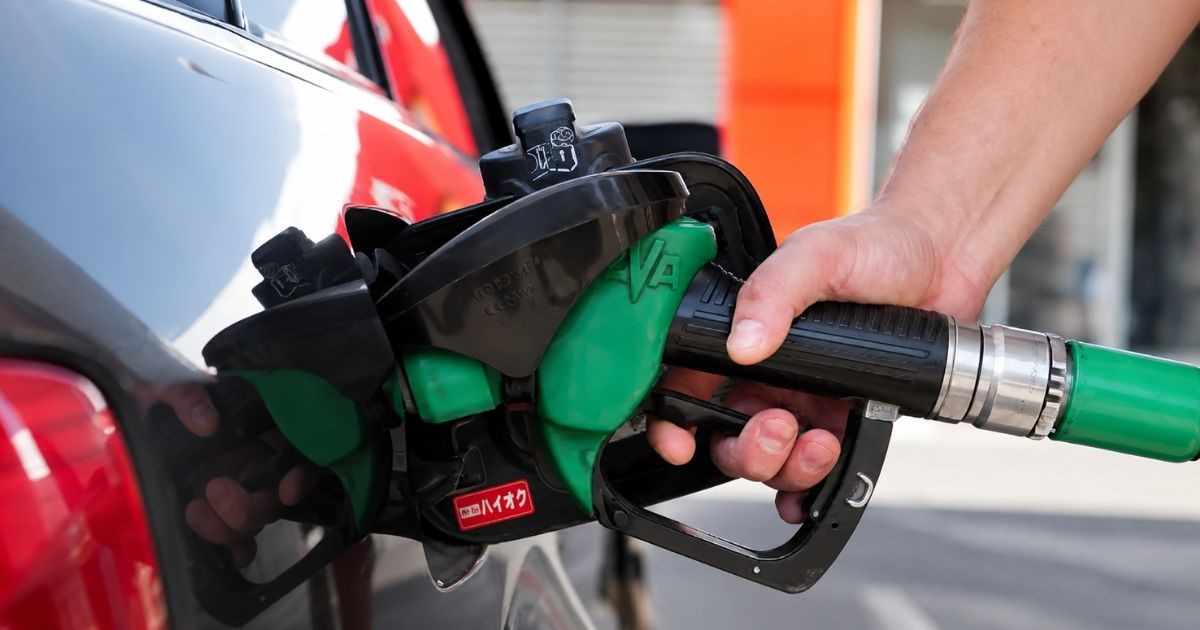
Gasoline prices rose by 5.4% in April compared to March, and have increased by more than 28% compared to a year ago.
The AAA automobile club reported on Tuesday that the average price of a gallon of regular gasoline is above $4.50, which is 44% higher than a year ago.
In monthly terms, the general price index rose by 0.6% from March to April, while core inflation —which excludes food and energy— was at 2.8% annually, a figure suggesting that the energy impact has not yet been widely transmitted to the rest of the economy.
Food prices in supermarkets rose by 0.7% from March to April, with meat being the main factor.
The hardest hit are middle-class and low-income households: for the first time in three years, inflation is eroding all wage gains, and real wages fell by 0.3% year-on-year in April.
"The inflation is the main burden for the U.S. economy right now," wrote Heather Long, chief economist of Navy Federal Credit Union.
"For the first time in three years, inflation is consuming all wage gains. It is a setback for middle-class and low-income households, and they are aware of it. They are having to cut back on expenses and stretch every dollar," he said.
The impact is felt in households across the country. Grace King, a 31-year-old administrative assistant from Ames, Iowa, used to spend $200 a month on clothing, but she can no longer afford it.
"There is pressure practically everywhere, from the food I buy to the gas to fill the tank," he said. "I have drastically cut my unnecessary expenses."
Companies are also feeling the impact. Whirlpool, the manufacturer of appliances under the KitchenAid and Maytag brands, reported a nearly 10% decline in revenue in its latest quarter last week and described the situation as a "recession-level decline" that has undermined consumer confidence.
In the political arena, President Donald Trump proposed on Sunday to suspend the federal gasoline tax—18.4 cents per gallon—to ease pressure at the pumps, although the measure requires congressional approval and that tax generates more than $23 billion annually for road infrastructure.
Trump has also pressured the Federal Reserve to cut interest rates, but the central bank remains cautious in the face of uncertainty about the duration of the conflict.
The Senate moved forward this Monday with the confirmation of Kevin Warsh as the new president of the Fed, replacing Jerome Powell, whose term expires on May 15, although uncertainty remains regarding whether Warsh will advocate for interest rate cuts in the current wartime context.
Inflation had reached a peak of 9.1% year-on-year in June 2022 following the Russian invasion of Ukraine and had been steadily decreasing until it settled at 2.4% in February 2026, before the conflict with Iran reversed that trend.
Filed under: