
Related videos:
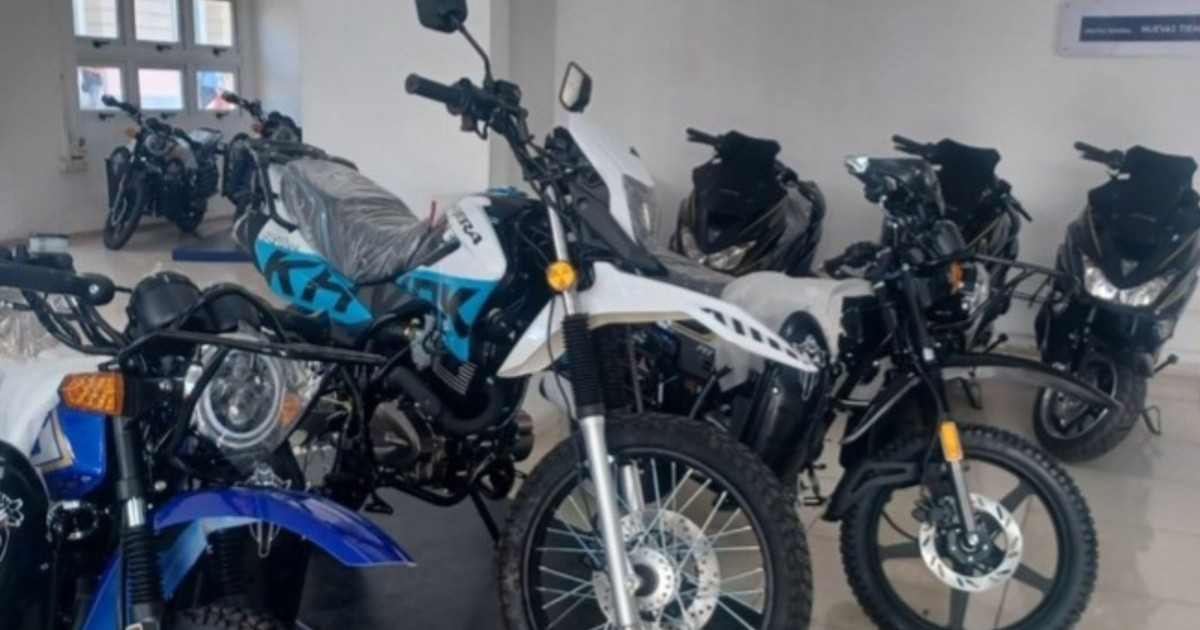
The CIMEX branch in Cienfuegos launched a promotion on Facebook this week for Mother's Day, offering combustion motorcycles in its Juraguá Store at prices ranging from 1,950 to 2,550 dollars, in a country where the average monthly salary is just about 13 dollars on the informal exchange rate.
The ad, titled "Surprise Mom with a Gift That Will Give Her Wings!", showcases three models: the Ava Deer 250cc priced at $2,550, the Nipponee 150cc at $2,010, and the Vera Khavak 175cc at $1,950. The publication invites people to "gift freedom and adventure" to Cuban mothers this May 10th.
The paradox is significant: Cuba is facing in 2026 the worst fuel crisis in its recent history, without Venezuelan supplies since December 2025 or Mexican supplies since January 2026, and with CUPET gas stations where lines last between 15 and 24 hours.
The price of gasoline on the informal market reaches 5,000 Cuban pesos, and the government acknowledged that Cuba barely has enough fuel to operate at 50% of its energy capacity.
The promotion quickly sparked a wave of ironic and critical comments on social media. "What a surprise, and what about the gasoline? Just bring in electric motorcycles," wrote a user.
Another was more direct: "That is not a gift for a mother; that is a headache, a disappointment when she can't buy gas because someone thought it was a good idea to put gasoline in the enemy's currency, as you say, and start allowing Cupet only for small and medium enterprises."
The criticism also targeted the prices. "Excellent idea, thank you. Now when I get paid my salary in dollars, I'll definitely go, just wait for me..." another user joked. A third added: "Accessible to the working people. I imagine they're selling it with 100 liters of gasoline."
Sarcasm has an arithmetic basis: the average monthly salary in Cuba in 2025 was 6,930 Cuban pesos, equivalent to about 13 dollars at the informal exchange rate. The cheapest model in the promotion costs more than 130 times that monthly salary.
The contradiction is exacerbated because the Cuban government suspended imports of internal combustion vehicles on February 19, 2026, prioritizing electric and hybrid vehicles, while state entities like CIMEX continue to sell and promote gasoline motorcycles.
This is not the first time that CIMEX has sparked controversy with this type of offer. In March 2025, the corporation promoted Diana motorcycles assembled in Cuba for nearly 2,840 dollars, receiving similarly critical reactions. And in September of that year, a network of ticket scalpers was dismantled in Cienfuegos for charging between 200 and 500 dollars for a spot in line to purchase motorcycles.
The sale of motorcycles in Cuba is exclusively conducted in foreign currency, in stores that do not accept Cuban pesos, making them practically inaccessible to the vast majority of the working population. "You have to ensure the gasoline," summed up an internet user in a few words what many Cubans think about this campaign.
Filed under: