
Related videos:
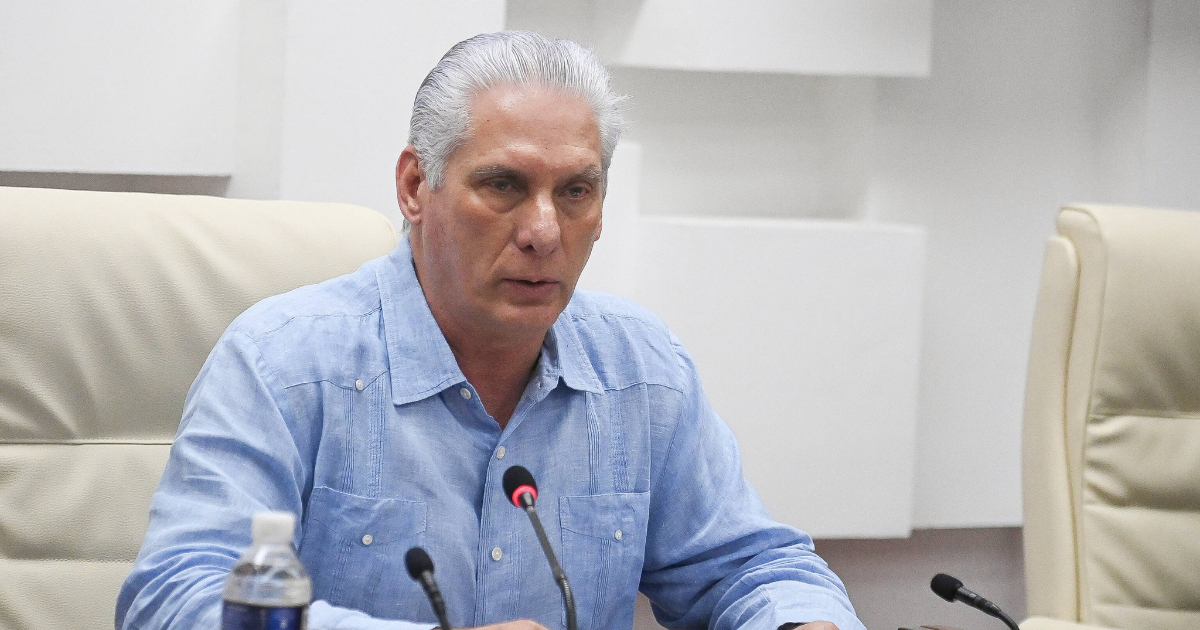
Miguel Díaz-Canel chaired a meeting of experts and scientists on hantavirus this Wednesday at the Palace of Conventions in Havana and assured that Cuba is strengthening its epidemiological surveillance in response to the international alert, even though the virus is not present in the country.
At the end of the meeting, Díaz-Canel posted on his X account that "there are no reasons for alarm, but there is a need for alertness and individual responsibility," and he stated that Cuba "has a strong monitoring system and the valuable experience from COVID-19 to detect and address risks in a timely manner."
The meeting was convened following the outbreak of hantavirus detected aboard the MV Hondius cruise ship, reported to the World Health Organization (WHO) on May 2, 2026.
The vessel had set sail from Ushuaia, Argentina, on April 1st with 147 people from 23 nationalities, on a 46-day itinerary through Antarctica and the South Atlantic.
On May 6th, the WHO confirmed that the agent responsible was the Andes virus, the only strain of hantavirus with documented human-to-human transmission, although only under conditions of close and prolonged contact.
As of May 13, the outbreak had recorded 11 positive cases and three fatalities, while throughout the Americas, 94 cases and 13 deaths from hantavirus had been reported, with Chile being the most affected country.
The Deputy Minister of Public Health, Dra. Carilda Peña García, explained to the press that Cuba has no historical records of hantavirus outbreaks and that none of its 14 native rodent species serve as a reservoir for the virus.
However, he warned that the long incubation period—up to eight weeks—allows infected individuals to arrive in the territory without visible symptoms.
"I believe that with the clinical-epidemiological surveillance system we have, along with the experiences we've had with COVID and what has been proposed internationally by the Pan American and World Health Organizations, we are in a position to timely detect the introduction of the disease into the country," stated the doctor.
Authorities announced the strengthening of health inspections at ports, airports, and marinas to detect rodents or signs of their presence in aircraft and ships.
"I am talking about ports, airports, and marinas, with inspections of aircraft and vessels, to detect the presence or possible presence of rodent traces or rodents themselves, and that requires a treatment that is clearly outlined in the protocols," detailed Carilda Peña.
The authorities also recommended that the public wear masks in case of acute respiratory infections and seek medical attention if they had contact with individuals from areas with confirmed outbreaks.
The WHO, for its part, assessed the risk to the general population as low, and its director general, Tedros Adhanom Ghebreyesus, stated that hantavirus "is not another COVID-19."
"It is a situation that the population should be aware of, not to be alarmed, but to be informed, and above all, for individual protection," concluded the Cuban deputy minister.
Filed under: