
Related videos:
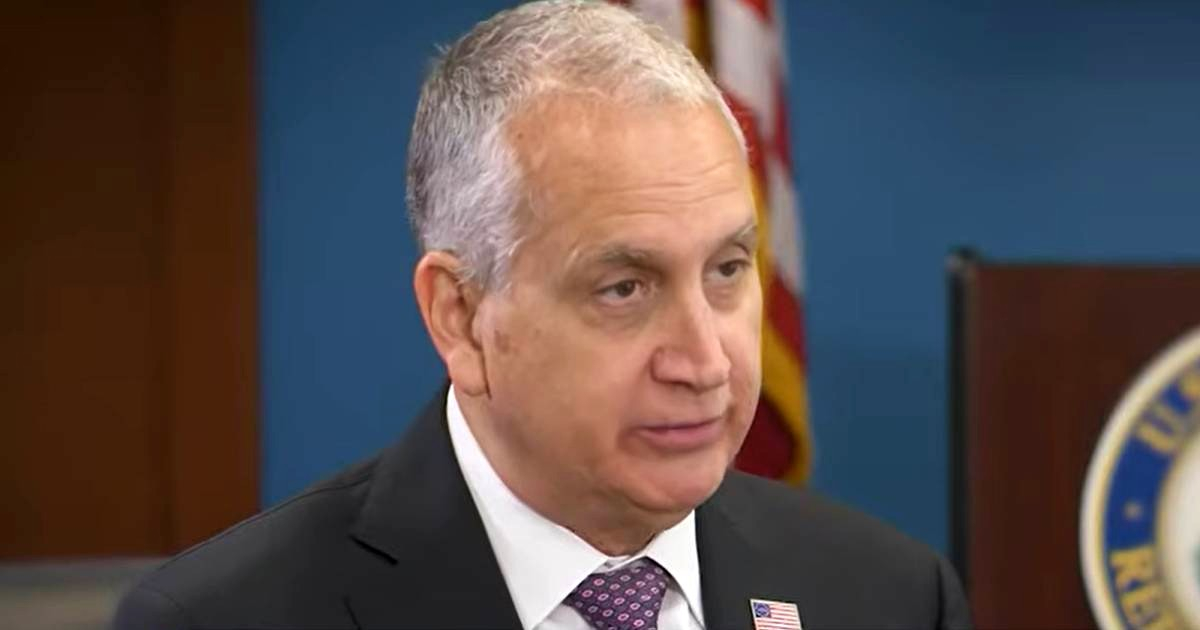
The Republican congressman Mario Díaz-Balart warned this Sunday that the Cuban regime poses a direct threat to the national security of the United States, reacting to an exclusive from Axios about Cuban military drones that revealed plans to target U.S. objectives just 90 miles off the coast of Florida.
«We have seen the threat that drones pose in the Middle East. Now they are 90 miles from our shores and close to critical infrastructure. It is clear that the Cuban regime is a threat to national security,» wrote Díaz-Balart on X.
The legislator was responding to a report from journalist Marc Caputo, White House correspondent for Axios, who revealed that Cuba has acquired over 300 military drones and that Cuban authorities have begun discussing plans to use them against the naval base at Guantánamo, U.S. warships, and potentially Key West.
According to Axios, based on classified intelligence and sources from the Trump administration, the regime has been acquiring attack drones from Russia and Iran since 2023, stored at strategic locations on the island.
The report also indicates that, in the past month, Cuban authorities have requested more drones and military assets from Russia, and that intelligence interceptions suggest that Cuban services are studying how Iran has militarily resisted the United States.
Díaz-Balart's warning is not isolated. Last Wednesday, the Secretary of Defense Pete Hegseth confirmed before Congress that the Cuban regime poses a threat to national security, in response to a direct question from Díaz-Balart during a Defense Appropriations Subcommittee hearing.
In that same hearing, Hegseth acknowledged that Russian warships, including the nuclear submarine Kazán, have used Cuban ports, and described the Russian intelligence complex in Lourdes as "very problematic" due to its proximity to the U.S. coasts.
Tensions between Washington and Havana have intensified throughout 2026. On January 29, Trump signed an executive order declaring a national emergency due to the situation in Cuba, labeling the regime's policies as a "unique and extraordinary threat."
On May 1, a second executive order expanded the sanctions and introduced the risk of secondary sanctions for foreign financial institutions.
On May 7, the Department of State designated GAESA, MOA Nickel S.A., and the official Ania Guillermina Lastres Morera under this new sanctioning authority. Díaz-Balart praised these measures as a step towards holding the dictatorship accountable for "repression, corruption, and threats to the national security of the U.S."
The regime, for its part, has denied any aggressive intention. The Cuban Deputy Foreign Minister stated last Wednesday that "Cuba has never threatened the U.S.", while Democratic legislators urged Trump to dismiss any military action against the island, describing it as "illegal" and "catastrophic."
In April, Díaz-Balart had already warned that "the elimination of that dictatorship is essential" for the national security of the United States, adding that "it would also infinitely help the people of Cuba."
Filed under: