
Related videos:
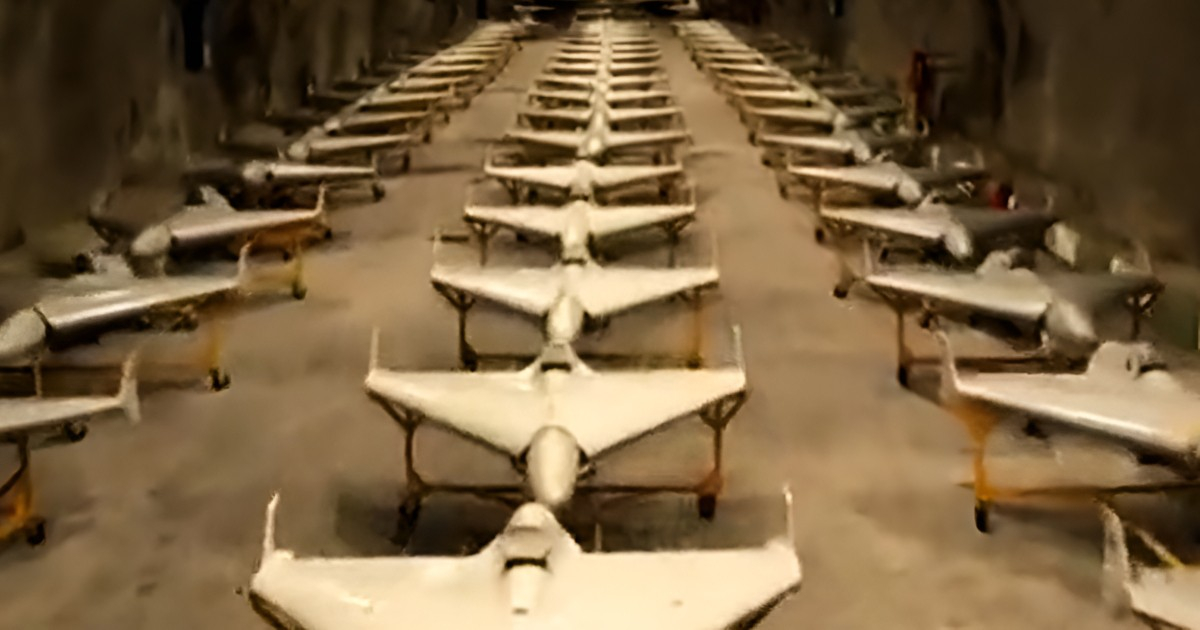
Cuba has acquired over 300 military attack drones from Russia and Iran and has begun discussing plans to use them against the Guantanamo naval base, U.S. military ships, and possibly Key West, Florida, according to classified intelligence shared with Axios by U.S. government officials.
The revelation comes amidst a sustained escalation of pressure between Washington and Havana, and just two days after CIA Director John Ratcliffe traveled to Cuba last Thursday to directly warn regime officials against any acts of hostility.
According to sources, Cuba has been acquiring drones with "variable capabilities" since 2023 and has stored them in strategic locations across the island.
In the past month, Cuban officials have reportedly requested more drones and military equipment from Russia, according to U.S. intelligence intercepts that also indicate that Cuban intelligence is "trying to learn how Iran has resisted us".
A senior U.S. official emphasized the seriousness of the situation: "When we think about such technologies being so close, and a range of dangerous actors from terrorist groups to drug cartels, Iranians, and Russians, it is alarming. It is a growing threat."
Intelligence could become a pretext for U.S. military action, according to the report itself, which reflects just how much the Trump administration views Cuba as a threat in the current context of drone warfare and the presence of Iranian military advisors in Havana.
The trip of Ratcliffe to Havana was the first by a CIA director to Cuba in over a decade. An agency official stated that "Director Ratcliffe made it clear that Cuba cannot continue to be a platform for adversaries to advance hostile agendas in our hemisphere" and that "the Western Hemisphere cannot be a playground for our adversaries."
Ratcliffe also urged the regime to dismantle its totalitarian system as a condition for lifting U.S. sanctions.
The Cuban drone program is part of a broader network of military cooperation between Havana, Moscow, and Tehran. U.S. officials estimate that up to 5,000 Cuban soldiers have fought for Russia in Ukraine, with Moscow paying the regime about 25,000 dollars for each deployed soldier, and that some of them have passed on knowledge about drone warfare to military leaders in Havana.
"They are part of Putin's meat grinder. They are learning Iranian tactics. This is something we need to plan for," noted the high-ranking official.
The Secretary of Defense, Pete Hegseth, also addressed the issue during a Congressional hearing last Tuesday: “We have been concerned for a long time about a foreign adversary using such a location so close to our shores, which is very problematic.”
Despite the seriousness of the revelations, U.S. officials clarify that they do not consider Cuba an imminent threat nor do they believe it is actively planning to attack U.S. interests.
The former CIA Director Robert Gates warned that the greatest security risk posed by Cuba is not a direct military threat, but a potential collapse of the regime that could lead to mass migration.
This week, the Department of Justice plans to reveal an indictment against Raúl Castro for allegedly ordering the downing of two aircraft from Brothers to the Rescue on February 24, 1996, in which four people died. Additionally, new sanctions against the island are anticipated.
“Anyone is concerned about Cuba's fighter jets. It's not even clear that they have one that can fly,” said the senior official. “But it’s worth noting how close they are: 90 miles. It's not a reality we feel comfortable with.”
Filed under: