
Related videos:
The mayor of the municipality of Matanzas, Michel León Rodríguez, publicly acknowledged that the city has a "debt" concerning waste collection, particularly with street sweeping, during an interview aired last Wednesday on the program "Con Voz de Pueblo" on TV Yumurí.
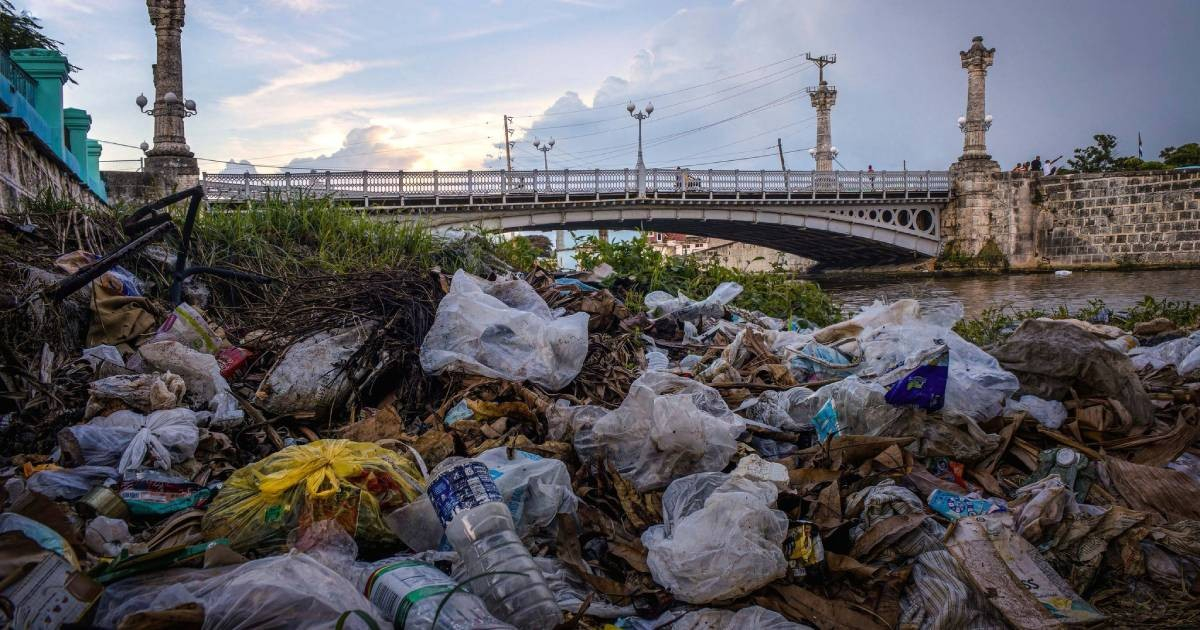
The official's statements confirmed what the residents of Matanzas have been denouncing for months: the streets of the city are covered with bags, papers, and cardboard, while dumping sites multiply under the noses of the authorities themselves.
León Rodríguez acknowledged that the Municipal Communal Company has a workforce of approximately 1,525 employees, but only 918 positions are filled, resulting in a deficit of over 39%.
The mayor also acknowledged that the company is operating at a financial loss and is not in a position to pay dividends.
The most active workers earn between 9,000 and 11,000 pesos per month, a salary that the official himself described as low.
In terms of technical resources, the municipality operates a total of 17 vehicles daily among different actors: the Municipal company itself, contracted forces from the Ministry of Construction (Micons), and support from the Military Construction Company, in addition to two front-end loaders.
However, the fleet is insufficient to cover all routes, especially those requiring deep sanitation, which need an additional 60 to 200 liters of fuel daily that are not always available.
"Sometimes we face shortages regarding fuel, which is no secret to anyone about what we are experiencing in this country," acknowledged León Rodríguez, who admitted that when the diesel supply fails, the trash that has accumulated over months becomes exponentially more difficult to remove.
The crisis also has structural dimensions that the mayor himself did not hide: the company has not managed to process, classify, or sell the raw materials collected, which prevents it from generating its own income.
The official estimated that contracting with the non-state sector— which has more than 1,487 self-employed workers and 185 active small and medium-sized enterprises in the area— could generate around 30 million pesos for Comunales, transforming the company from operating at a deficit to being profitable.
It also acknowledged debts with workers regarding protective equipment: "We still owe for shoes, clothing... we have debts related to raw materials and how we classify them."
The situation is not new. Residents of Embarcadero Street reported last Monday entire blocks blocked by trash, with mice and foul odors, just meters away from the Comunales facilities.
The confirmed hepatitis A outbreak in the Versalles neighborhood —with 18 active cases as of May 4th— illustrates the direct health consequences of the collapse in a high area of the city where accumulated garbage is washed into the river by the rain.
The mayor himself warned that with the arrival of the rainy season, the situation will worsen: "When it rains, this garbage is carried through all the streets to the riverbanks."
The host of the program summarized the gravity of the moment with a statement that the regime can hardly refute: "The collection of solid waste in Matanzas can no longer be justified."
Filed under: