
Related videos:
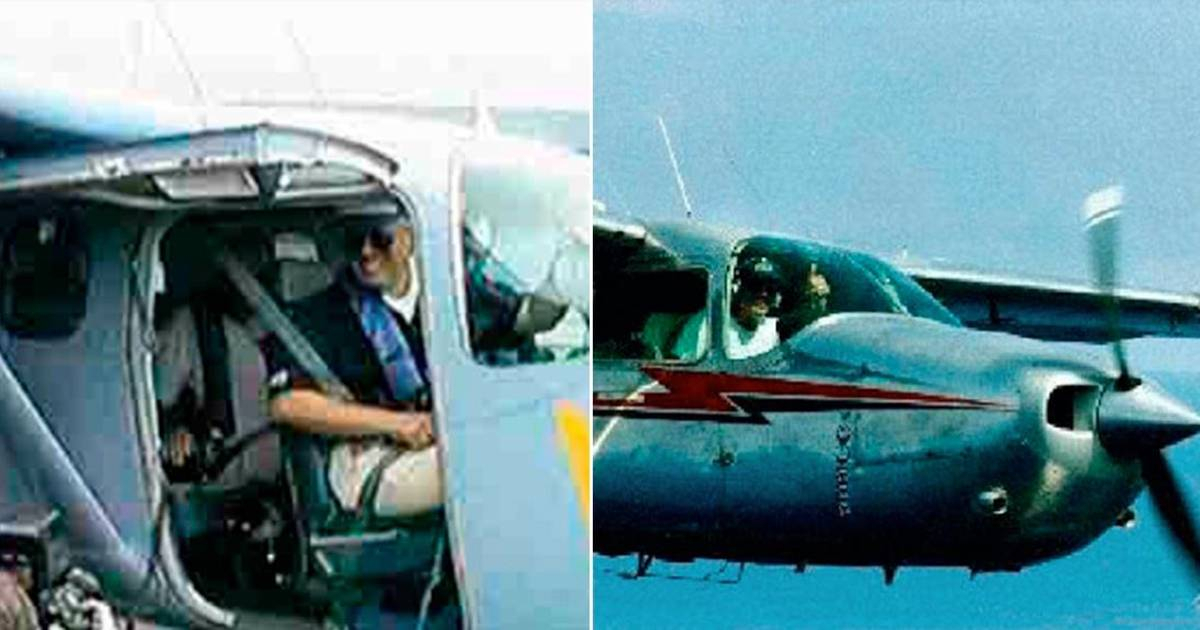
The Cuban leader Miguel Díaz-Canel defended Raúl Castro on Wednesday just hours after the United States Department of Justice announced formal charges against the former president for the shooting down of two planes from Brothers to the Rescue in 1996, resulting in the deaths of four Cuban-Americans.
In a message posted on X, Díaz-Canel described the accusation as "pretended" and characterized it as "a political action, without any legal foundation, aimed solely at inflating the file they are fabricating to justify the folly of a military aggression against Cuba."
The Cuban leader stated that "the U.S. lies and manipulates the events surrounding the shooting down of the planes from the narco-terrorist organization Brothers to the Rescue in 1996," thus characterizing the organization of Cuban exiles that conducted search and rescue flights for rafters in the Florida Strait.
Díaz-Canel stated that "on February 24, 1996, Cuba acted in legitimate defense, within its jurisdictional waters, after successive and dangerous violations of our airspace by notorious terrorists, of which the current U.S. administration was alerted on more than a dozen occasions, but ignored the warnings and permitted the violations."
That version contradicts the conclusions of the International Civil Aviation Organization, which determined in July 1996 that the aircraft were shot down between nine and ten nautical miles outside Cuban territorial airspace, and that Cuba did not attempt to communicate by radio with the pilots before opening fire.
The four victims of the crash were Armando Alejandre Jr., Carlos Costa, Mario de la Peña, and Pablo Morales, all Cuban-Americans.
The formal indictment was presented this Wednesday in Miami by Acting Attorney General Todd Blanche, along with federal prosecutor Jason A. Reding Quiñones and FBI Deputy Director Christopher G. Raia, among other officials.
The federal grand jury had returned the indictment on April 23, 2026; the charges include conspiracy to kill American citizens, destruction of aircraft, and four counts of homicide.
A central element of the case is a recording from June 1996 in which Raúl Castro allegedly said: "I said to try to take them down over the territory... Well, take them down at sea when they appear."
The recording was published in 2006 by journalist Wilfredo Cancio in El Nuevo Herald, and its authenticity was confirmed by specialists and by Castro's former personal secretary, Alcibiades Hidalgo.
Díaz-Canel concluded his message with a passionate defense of the former leader: "The ethical stature and humanitarian essence of his work dismantle any infamy that may be raised against General of the Army Raúl Castro," and described any effort to "diminish his stature as a hero" as a "ridiculous attempt."
Raúl Castro is 94 years old and there is no extradition treaty between Cuba and the United States, which makes his appearance before U.S. justice practically impossible. The families of three of the four victims previously received a civil compensation of 187 million dollars, but up to today no individual criminal charges have ever been filed in the case.
Filed under: