
Related videos:
The Cuban manufacturing industry ended 2025 with a trend that summarizes the country's structural crisis: while bread production plummeted by 100.9 thousand tons compared to 2024, the production of beer and alcoholic beverages saw a significant increase, according to official data published today by ONEI.
The National Office of Statistics and Information (ONEI) released a comparative thread this Wednesday based on its publication "Manufacturing Industry in Cuba. Selected Indicators, 2025", which contrasts the production of various sectors between 2024 and 2025.
In food, the decline is significant. "The production of products such as bread (100.9 thousand tons less) and processed and semi-processed rice (14.3 thousand tons less), among others, has contracted," the official agency notes.
The slight increases recorded—0.4 thousand tons more of pasta, 1.2 thousand tons more of canned tomatoes, and 22.3 tons more of unsalted butter—do not compensate for the declines in more widely consumed products.
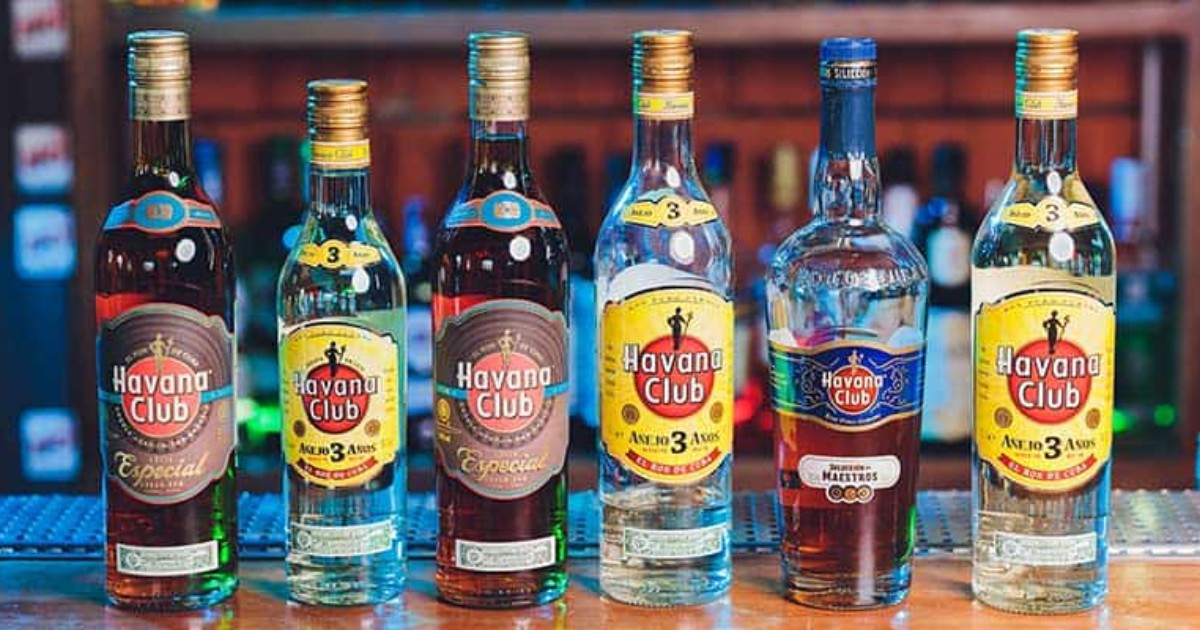
The most striking contrast appears in the beverage sector. "The production of beverages shows a clear decline in soft drinks (68.1 thousand hectoliters less); however, there is a noticeable increase in the production of beer (35.3 thousand hectoliters more) and alcoholic beverages (83.1 thousand hectoliters more)," states the ONEI.
This pattern is not new. In the first half of 2025, the Minister of Food Industry, Alberto López Díaz, confirmed before Parliament that 17 companies in the sector closed with losses amounting to 364 million pesos, and that key sectors were operating well below target: dairy at 54.1%, canned goods at 48.5%, coffee at 23.7%, and meat products at 71%.
Beer was the only positive exception of that semester, achieving 107% of the plan, supported by the brands Bucanero and Parranda.
In tobacco, the data also shows a mixed trend: the production of rolled tobacco increased by 54.5 million units, while the production of cigarettes decreased by 1.1 billion units.
In cleaning products, the production of washing soap increased by 5.7 thousand tons, while household detergent fell by 20.7 thousand tons, exacerbating hygiene conditions in Cuban homes.
The construction sector is also suffering from deterioration. The manufacture of concrete blocks, lime, and prefabricated concrete products fell by 25.4 thousand cubic meters, although gray cement saw an increase.
In March of this year, the regime imposed a new tax of $0.30 per liter on the import of beer and alcoholic beverages, without affecting domestic production, which reinforces the incentive to produce alcohol locally while basic food items are scarce.
Analysts point out that the Cuban food industry produces only a quarter of its level from 1989, and the overall economic scenario offers no prospects for recovery: the Cuban GDP has seen declines for the third consecutive year, with contractions estimated between -1.5% and -5% in 2025.
Filed under: