
Related videos:
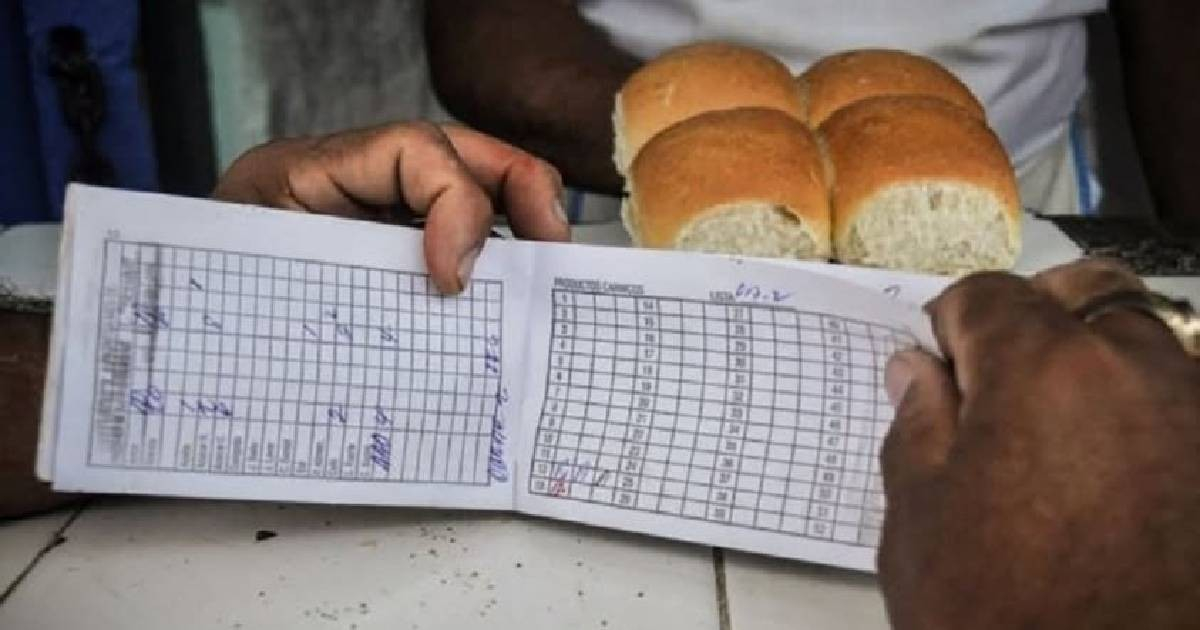
The food industry in Ciego de Ávila is going through a critical moment. According to statements collected by the newspaper Invasor, the province has barely been able to guarantee "two days of bread from the basic basket" during May.
According to a report from the local newspaper, limitations in the availability of flour have impacted the production of regulated bread, and in the last days of the month, "the province received 32 tons of the cereal, a quantity that allowed for barely two days of total coverage for the more than 430,000 residents of Avila."
The energy crisis further exacerbates the production outlook. In response to the outages, the company has had to mobilize more than 25 electric ovens to prevent the dough from acidifying, and has recovered wood-fired ovens as an alternative. In some bakeries, the dough is prepared in one location with electricity and then transported to another for baking, a process that, as specialists themselves admit, deteriorates the final quality of the product.
A recurring question among the public is why there is production of candies and pastries when there is a shortage of flour for bread in stores. Pina Joba explained that this flour comes from contracts with private economic actors. "Today, we have contracts with the economic actors that have allowed us to acquire a differentiated flour to maintain these pastry productions," she stated. Regarding the available bread, she mentioned that they did not have any at that moment.
This situation is not new in Ciego de Ávila: in May 2025, the distribution was already limited to alternate days, with the flour barely meeting 50% of the demand. The decline has been ongoing since September 2023, when the ration was reduced from 80 to 50 grams per person.
The collapse is not exclusive to this province. In Villa Clara, regulated bread has been restricted to those under 13 and over 65 since February. In March, a viral video documented Cubans without bread from the bodega for over three weeks. And in May, the supply booklet functionally collapsed across the island, with Havana bodegas offering only rice, sugar, and split peas.
To survive financially, the Avilan Food Industry —with a workforce of over 1,300 workers— has diversified its production towards croquettes made with cassava, pumpkin, and sweet potato extenders, banana chips, and noodle soups. In a move that reflects the depth of the crisis, the company plans to open a store selling vehicle parts and lease nine idle trucks —with new tires since December— in order to cover the salaries of its staff.
The very newspaper Invasor described the seriousness of the situation in this way: “The bread from the basic basket, historically a daily staple, has become an item of intermittent availability. Wood-fired ovens have been rekindled as an alternative to the lack of electricity. And the food industry, whose central mission is to feed the population, is now seeking financial lifelines in auto repair shops and spare parts.”
Filed under: