
Related videos:
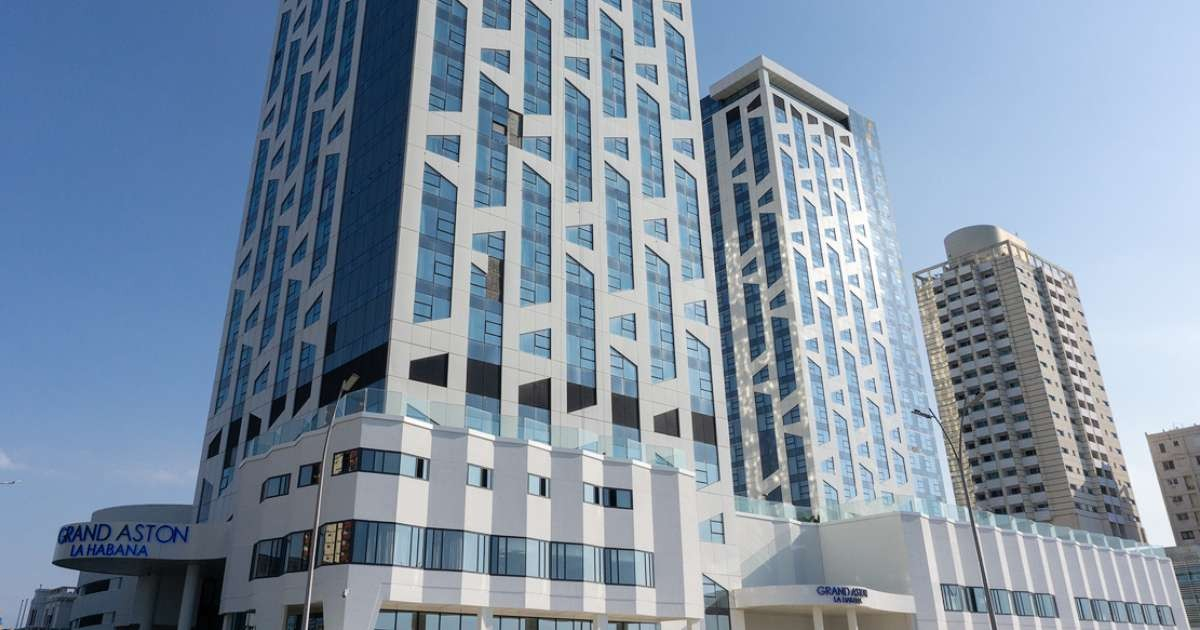
Archipelago International, the Southeast Asian hotel giant with over 200 properties worldwide, announced its definitive exit from Cuba, where it operated six hotels under its brand Aston in the main tourist hubs of the island: Havana, Varadero, Cayo Coco, and Holguín.
The news, exclusively revealed by the specialized portal Arecoa on Sunday, comes ahead of the deadline set by the Trump administration for June 5 for foreign companies to sever their business ties with GAESA (Grupo de Administración Empresarial S.A.), the Cuban military conglomerate that controls a significant portion of the island's tourism infrastructure through its subsidiary Gaviota.
Executive Order 14404, signed by Trump on May 1, 2026, established secondary sanctions for foreign companies that engage in business relationships with GAESA and its subsidiaries, setting that date as the deadline for divestment.
Aston's departure adds to an unprecedented exodus in the international hotel sector in Cuba, all within just 72 hours.
The Canadian Blue Diamond Resorts, the second largest hotel chain by number of rooms on the island after Meliá, confirmed the cessation of its operations "effective immediately" as of May 30, leaving behind 62 hotels and more than 12,900 rooms under brands such as Royalton, Memories, Starfish, Mystique, and Resonance.
"From this date forward, future reservations, inquiries, and arrangements will be managed directly by the respective hotel owners and/or the relevant local operating entities," stated the company in a press release cited by the wholesale operator Sudameria Travel.
Iberostar confirmed that it ceased operations at 12 of its 18 hotels in Cuba since June 1, all linked to Gaviota/GAESA, labeling the situation on the island as "critical and complex" and describing the measure as "a process of adapting to the international regulatory environment."
Among the hotels that Iberostar is leaving is the Selection La Habana, the tallest hotel building in Cuba with 42 floors, inaugurated in March 2025 with an investment of 200 million dollars.
The U.S. State Department described GAESA as "the core of Cuba's kleptocratic communist system" and accused it of diverting up to $20 billion in illicit assets to hidden bank accounts abroad.
The regime responded with an article in the official newspaper Granma titled "Cuba, the GAE and the United States: Anatomy of a State Calumny," without mentioning the June 5 deadline or providing audit figures regarding GAESA.
Cuban tourism was already in free fall before this exodus. In March 2026, the island received only 35,561 visitors, and the sector has experienced a 55% decline in the first months of the year compared to the previous period, with an estimated impact of 300,000 workers without stable employment.
Meliá Hotels International, the chain with the largest presence in Cuba, with approximately 35 hotels and around 14,000 rooms—14% of its global portfolio—is now the major foreign chain yet to announce its future in the island, after reporting losses of four million euros in its Cuban operations in 2024 and an average occupancy rate of 34.1% in the first quarter of 2026.
Filed under: