
Related videos:
Spanish companies have begun an unprecedented and rapid withdrawal from Cuba, pressured by the secondary sanctions imposed by the Trump administration against GAESA, the military conglomerate that controls nearly half of the Cuban economy.
According to data from ICEX collected by the agency EFE, the accumulated Spanish investment in the island between 1993 and 2024 amounts to 465 million euros (541 million dollars), primarily concentrated in the hotel sector.
The trigger was Executive Order 14404, signed by President Donald Trump on May 1, which implemented secondary sanctions on foreign companies with commercial ties to GAESA and set June 5 as the deadline to sever those connections, under the threat of being excluded from the U.S. financial system.
In Cuba, over 100 management contracts have been approved, managed by around twenty foreign chains, with more than 70 of them involving Spanish firms such as Meliá, Iberostar, Valentín, Blau, Roc, Barceló, and Axel, collectively managing approximately 30,000 rooms.
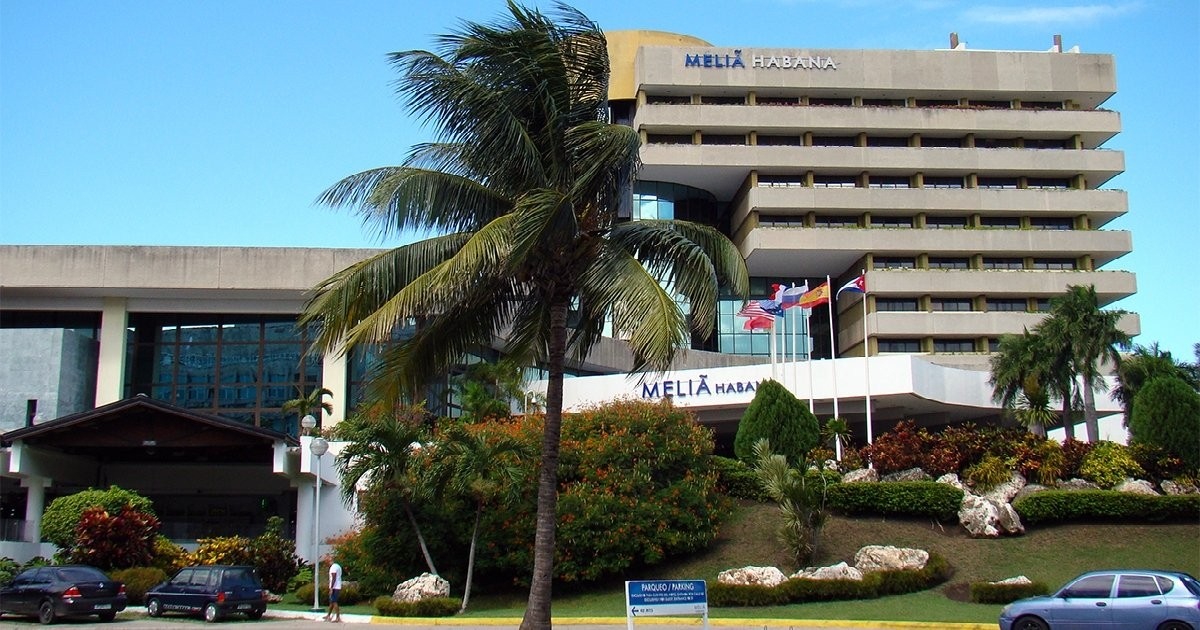
Meliá Hotels International was the first to act: on Wednesday, it announced that it would immediately cease operations and marketing for 15 of its 35 hotels in Cuba, citing "unforeseen external circumstances" related to the "socio-political, legal, and economic context."
The Mallorca-based chain had recorded losses of four million euros in its Cuban operation in 2024, with an average occupancy rate of 34.1% in the first quarter of 2026.
In its statement to the National Securities Market Commission, Meliá indicated that "the vast majority of the hotels are currently closed and lacking activity due to the energy problems and declining demand that the Republic of Cuba has been facing."
Iberostar, for its part, ceased operations at 12 hotels since June 1 - all linked to Gaviota/GAESA - while maintaining six establishments associated with Cubanacán and Gran Caribe, which the chain described as a decision to "adapt to the global regulatory environment."
In addition to these departures, the Canadian company Blue Diamond Resorts exited 62 hotels with over 12,900 rooms effective May 30, and the Indonesian firm Archipelago International withdrew its operation from six hotels under the Aston brand.
The four largest hotel operators on the Island have reduced or eliminated their presence in less than a week.
The withdrawal is not limited to the hotel sector. Iberia suspended its Madrid-Havana route on June 1, and World2Fly operated its last flight on May 20, leaving Air Europa as the only Spanish airline with direct flights to Cuba.
In the financial sector, Banco Sabadell and Alto Cedro - an entity linked to the Botín family - are also preparing to withdraw.
The impact on Cuban tourism is devastating. Since its historic high of 4.7 million visitors in 2018, it received only 1.8 million in 2025, the lowest since 2002.
Between January and April 2026, tourism in Cuba plummeted by 55.8% compared to the same period in 2025, with only 328,608 international visitors.
Spanish exports to Cuba also reflect this trend: they fell by 15% in 2025 to €682 million, representing only 0.18% of the total exports from Spain that year.
Spain accounts for 55% of the trade exchange between the European Union and Cuba, making this withdrawal a significant blow to the Island's economy.
The Cuban regime responded on June 2 with a statement in the official newspaper Granma, labeling the sanctions as a "state slander" and an "disproportionate and dangerous escalation," while defending GAESA as a financier of hospitals and housing.
The authorities of the dictatorship, however, did not provide any concrete solution in the face of the business exodus that threatens to further exacerbate the energy crisis and the collapse of tourism in the country.
Filed under: