
Related videos:
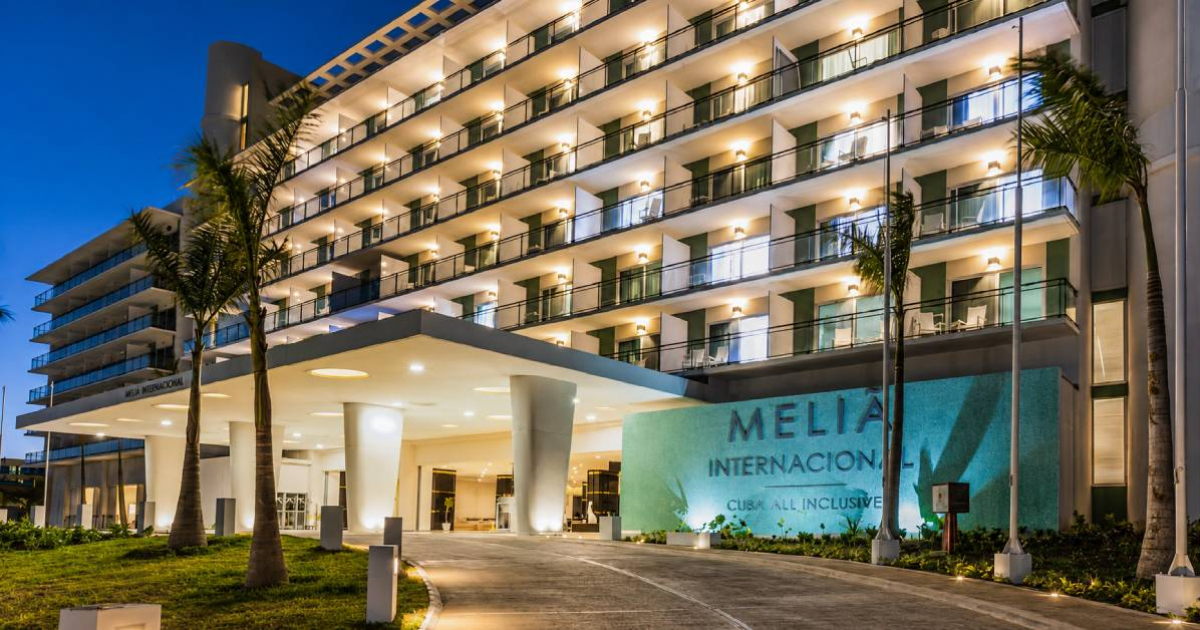
Meliá Hotels International announced this Wednesday the immediate cessation of its operations in 15 hotels in Cuba, becoming the latest major Spanish hotel chain to leave the island in response to the ultimatum from the Trump administration, which set June 5 as the deadline to sever ties with GAESA, the Cuban military conglomerate that controls tourism on the island.
The Mallorcan chain notified the National Securities Market Commission through its Portuguese subsidiary Ilha Bela, which concludes that it will "immediately cease the provision of management and marketing services, as well as the licensing of its hotel brands" in Cuba.
The decision was communicated to the owners of the hotels on May 26 and was definitively confirmed this June 3, coincidentally the day the regime celebrates the 95th birthday of Raúl Castro.
The affected establishments are the Gran Hotel Bristol Habana Vieja, the Innside Catedral Habana, the Meliá Buena Vista, the Meliá Cayo Santa María, the Meliá Jardines del Rey, the Meliá Las Dunas, the Meliá Península Varadero, the Paradisus Los Cayos, the Paradisus Princesa Mar, the Paradisus Río de Oro, the Paradisus Varadero, the Sol Caribe Beach, the Sol Cayo Santa María, the Sol Río de Luna y Mares, and the Sol Varadero Beach.
The chain described the economic impact as "limited," arguing that "the vast majority of hotels are currently closed and inactive due to the energy issues and declining demand that the Republic of Cuba has been experiencing."
The decision, according to the statement sent to the CNMV, "has been made from a deep sense of corporate responsibility, and is a result of a combination of unforeseen circumstances beyond the management or operational capacity of Ilha Bela."
The real risk for Meliá is not economic but legal: operating beyond June 5 with entities linked to GAESA could expose the company to secondary sanctions from Washington.
The measures target companies related to energy, defense, metals, mining, and financial services, prohibiting any dealings with designated individuals, such as Ana Guillermina Lastres, the military official who leads GAESA.
It is not the first time that Meliá faces U.S. pressure: its CEO, Gabriel Escarrer, is banned from entering the U.S. under Title IV of the Helms-Burton Act.
The departure of Meliá adds to a series of exits by other companies in just one week. Notably, Iberostar has ceased operations at 12 hotels in Cuba since June 1, although it still maintains a presence with six establishments not linked to GAESA.
The Canadian Blue Diamond Resorts confirmed its departure on May 31, affecting 62 hotels and more than 12,900 rooms. The airline Iberia suspended its flights between Madrid and Havana from June 1 until at least October 24.
GAESA controls a network of around 180 hotels managed in partnership with foreign groups, primarily Spanish and Canadian.
Meliá was the largest foreign operator on the island, with 33 hotels under long-term contracts with Gaviota, the tourism subsidiary of the military conglomerate.
Cuban tourism was already in free fall prior to this business exodus. In 2025, only 1.8 million international tourists arrived, the lowest number since 2002 and less than half of the peak of 4.7 million recorded in 2018, and all indications suggest that this figure could drop even further in 2026 with the collapse of the foreign management model for military state assets.
Filed under: