
Related videos:
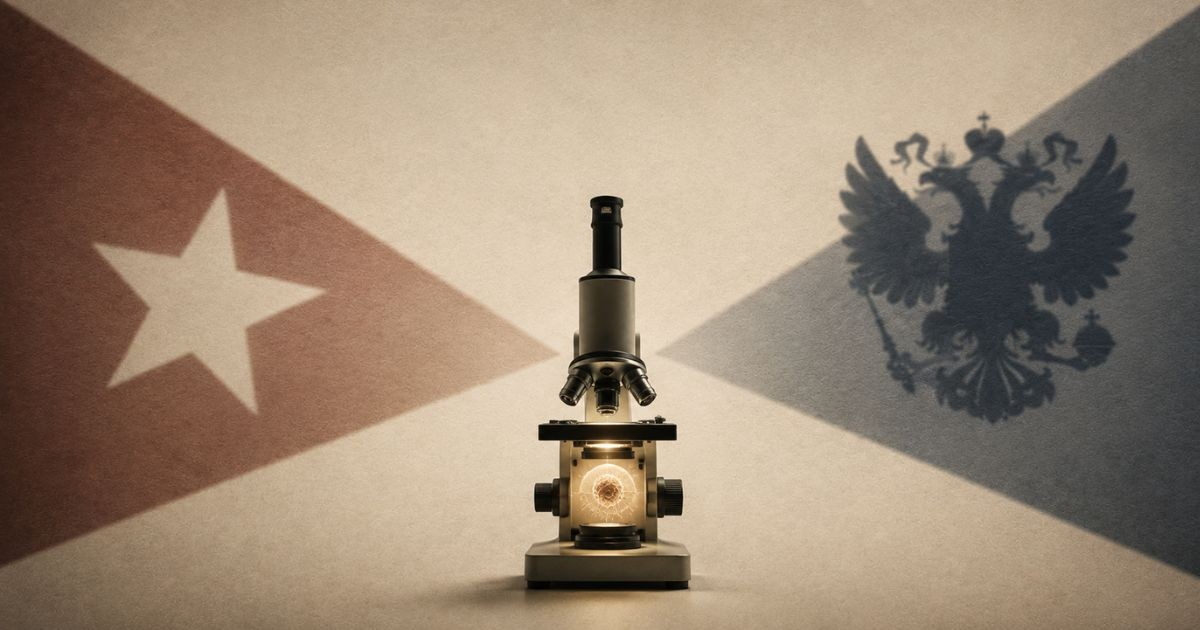
Russia and Cuba signed a memorandum of understanding this Thursday for the joint development of cancer vaccines, as announced by Russian Deputy Prime Minister Dmitri Chernishenko during the Russia-Cuba business dialogue held within the framework of the St. Petersburg International Economic Forum (SPIEF 2026).
"Last year, Russia supplied Cuba with six tons of substances for the production of medicines, and today we will sign a memorandum of understanding on the joint development of cancer vaccines," the official stated to the participants of the forum.
The agreement connects two biotechnological traditions with their own developments in oncology.
On the Russian side, the Federal Medical-Biological Agency, led by Veronika Skvortsova, is working on three lines of vaccines: the personalized peptide vaccine Oncopept, the mRNA NeoOncovac vaccine —targeted against melanoma— and the oncolytic virus-based vaccine EnteroMix.
Oncopept, the most advanced, is currently in clinical trials with over 40 patients. After just four injections, the first participants began to notice a reduction in tumor size, although the formal results will not be available for about a month.
Skvortsova explained the mechanism of action of these personalized vaccines: "Essentially, we are using the immune system to destroy malignant tumor cells, and then these are eliminated from the body as in any immune reaction. Healthy cells are not affected."
The scientist added that artificial intelligence plays a key role in identifying genomic mutations—known as neoantigens—in order to tailor each vaccine to the patient's tumor.
Cuba, for its part, has a long history in cancer immunotherapy that includes CIMAvax-EGF for lung cancer and the recent HEBERSaVax, a vaccine candidate that won the Technology Innovation Award-2025 in Cuba, which demonstrated a median overall survival of 32.82 months in trials with patients suffering from advanced ovarian cancer.
The oncological memorandum is part of a bilateral agenda that Russia is expanding despite pressure from Washington, with Moscow committing to increasing investments on the island as Díaz-Canel's regime faces its worst energy crisis in decades.
In the same forum, Cuban Deputy Prime Minister Óscar Pérez-Oliva Fraga offered Russian companies investment opportunities in energy, refineries, tourism, transportation, mining, and biopharmaceuticals, assuring that Cuba is "the country in Latin America and the Caribbean where Russian companies can fully and confidently develop their activities."
Chernishenko also announced that around 90 Russian companies are interested in exporting meat, dairy, and fish products to Cuba, that Russia increased its imports from the island by 20% in 2025, and that 50 vehicles from the Moskvich brand will be transferred to the taxi fleet in Havana.
This agreement comes months after the XXIII Russian-Cuban Intergovernmental Commission authorized Russian companies to operate industrial facilities in Cuba for the first time, with agreed bilateral investments exceeding 1,000 million dollars.
"Despite external pressure, Russian companies continue to expand their presence in Cuba and are willing to invest in long-term projects," stated Chernishenko, who is also studying the exploitation of nickel and cobalt deposits on the island as part of the expansion of the Russian presence in the Caribbean.
Filed under: