
Related videos:
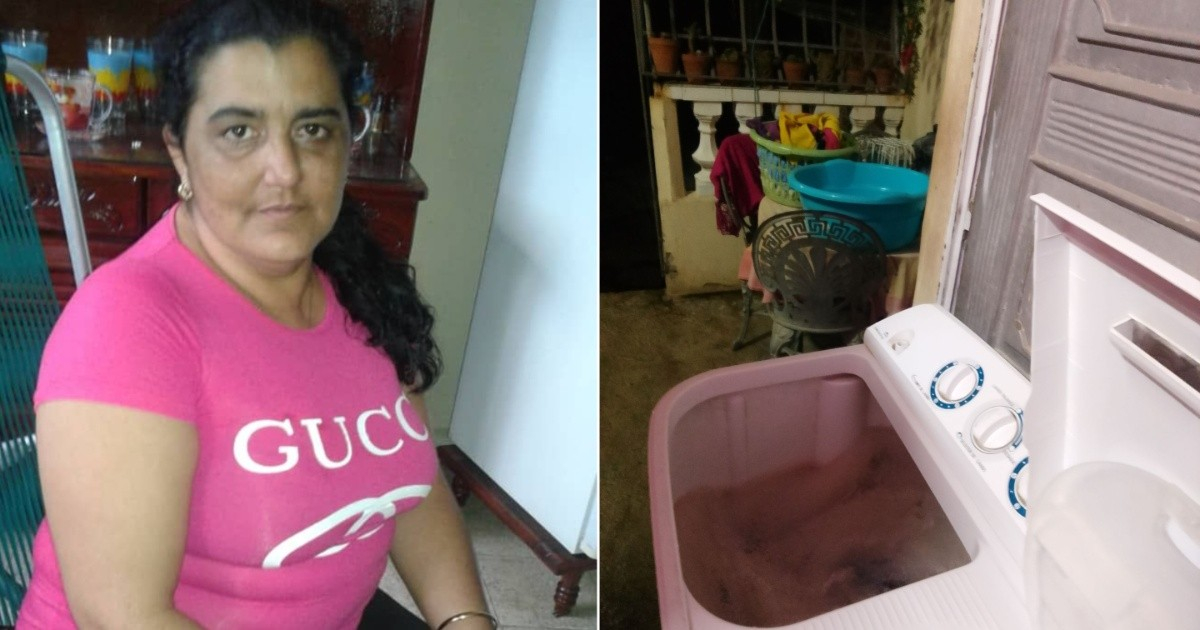
A Cuban mother identified as Yanalli González, residing in the province of Sancti Spíritus, published a heartbreaking testimony on Facebook this Thursday about the consequences of over 30 hours without electricity: she was forced to throw away medications that require refrigeration and that she had kept for pediatric emergencies in her home.
"Good morning, world. After more than 30 hours without power, it came back at 4:00 AM, and like every Cuban woman, I got up to wash and cook. There’s no sleeping, no resting the mind; the little food I have is going to waste," wrote González, who added, "And I ask myself, is this life or a path to death?"
The woman explained that in her home she is carrying out a "very necessary project" related to child health, and that the discarded medications—described by her as "things that do not exist for defenses"—were irreplaceable in the Cuban market.
"What do I say to a mother when her child needs what I am throwing away today with great pain? What can I say about something that I carried with such responsibility to save a life?" she lamented.
The testimony aligns with the electrical data from Wednesday in Sancti Spíritus: the provincial company reported outages of up to 24 hours with service windows of only one to three hours per day.
Nationally, the situation is not better. On Wednesday, the Electric Union (UNE) reported a supply of just 1,020 MW against a demand of 2,570 MW, with a projected deficit for the nighttime peak of between 1,990 and 2,020 MW, according to the daily electrical crisis report.
The worst moment of the year was recorded on May 14, when the deficit hit a record of 2,174 MW, with only 976 MW available against a demand of 3,150 MW. Two days later, 51% of the country was without electricity simultaneously.
The loss of medications due to lack of refrigeration is a direct and documented consequence of this crisis. Drugs such as insulin, vaccines, and other biologicals require an uninterrupted cold chain, and their scarcity is already affecting around five million patients with chronic diseases in Cuba, according to data from the health system itself cited in February 2026.
In the informal market, a blister pack of amoxicillin can cost up to 1,000 Cuban pesos, according to data from the Cuban Institute for Freedom of Expression and the Press (ICLEP).
González's testimony is not an isolated case. In May, the director of Cuban Television summarized the situation with a phrase that went viral: "We are dying alive."
González concluded her publication with a message that transcends her personal case: "This hurts, and the people are the ones who bear the consequences of political decisions. I write with deep sorrow, and I believe it should be the voice of every Cuban woman because we are all caught between coal and what to cook."
Filed under: