
Related videos:
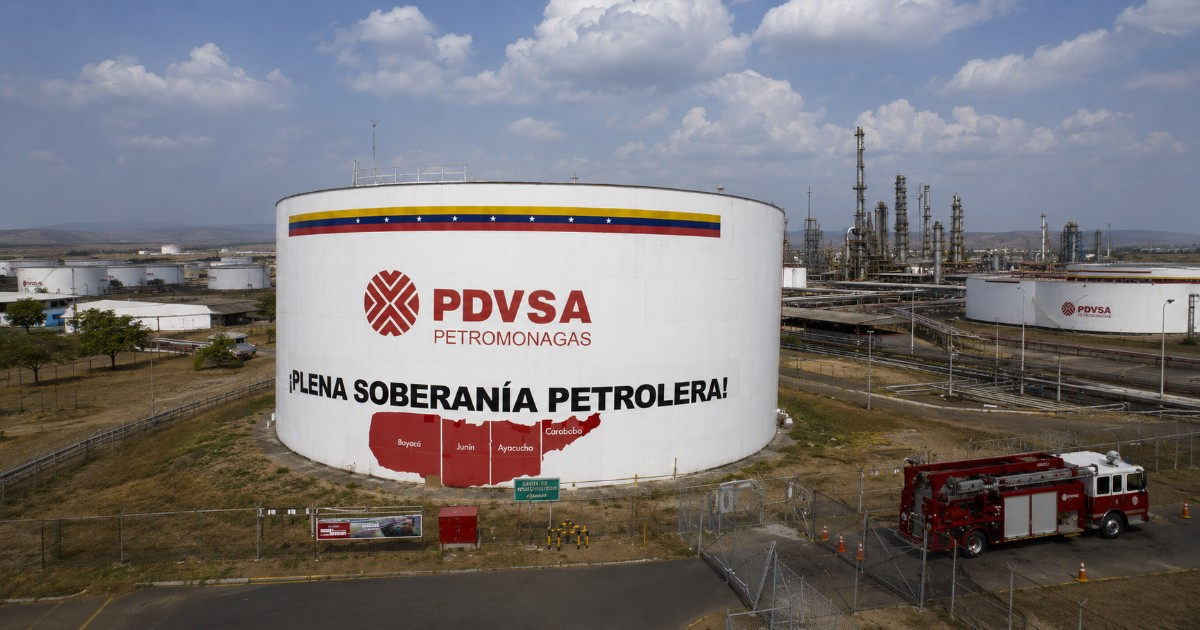
PDVSA and the interim government of Venezuela reviewed a new draft contract for the exploitation of oil fields in order to eliminate a clause that foreign investors considered the biggest obstacle to committing capital in the country, according to a Bloomberg report published this Friday.
The new document —of about 90 pages— removes a provision from the initial draft that allowed Venezuela to terminate contracts for "public interest" with limited compensation for the companies. Sources familiar with the negotiations described that clause as "a significant obstacle to advancing the talks."
The complaints from the drillers highlighted two specific issues: the excessive power that the original draft granted to the state and the incompatibility of its terms with the licenses issued by the U.S. Treasury’s Office of Foreign Assets Control.
This adjustment is part of a rapid opening of the Venezuelan oil sector that began in early 2026. On January 29, the National Assembly approved a partial reform of the Organic Hydrocarbons Law that enables direct contracts between PDVSA and private companies, introduces international arbitration to resolve disputes, sets royalties of up to 30%, and creates a comprehensive hydrocarbons tax with a maximum rate of 15%.
In February, the Trump administration lifted oil sanctions to allow BP, Chevron, Eni, Repsol, and Shell to operate and conduct transactions with PDVSA.
International financial sector interest is growing in parallel. This Thursday, Bloomberg reported that JPMorgan Chase and Jefferies are organizing trips to Caracas for clients and investors, marking one of the first known visits by major U.S. banks in this context.
In May, Eni and Repsol announced plans to invest 2 billion dollars over five years in their joint ventures with PDVSA, while ExxonMobil would be negotiating extraction rights in up to six fields.
The backdrop is an industry in critical condition: the Venezuelan oil production stands at less than 700,000 barrels per day, far below the more than three million reached in the 2000s, following decades of mismanagement, corruption, and brain drain under Chavismo.
Venezuela is also looking to restructure a sovereign and corporate debt estimated at 170 billion dollars, which explains the interest of large investment banks in the country.
However, analysts warn that the progress does not eliminate all risks: "companies are still assessing factors such as political stability, respect for contracts, and the overall regulatory framework before committing significant investments in the country."
Filed under: