
Related videos:
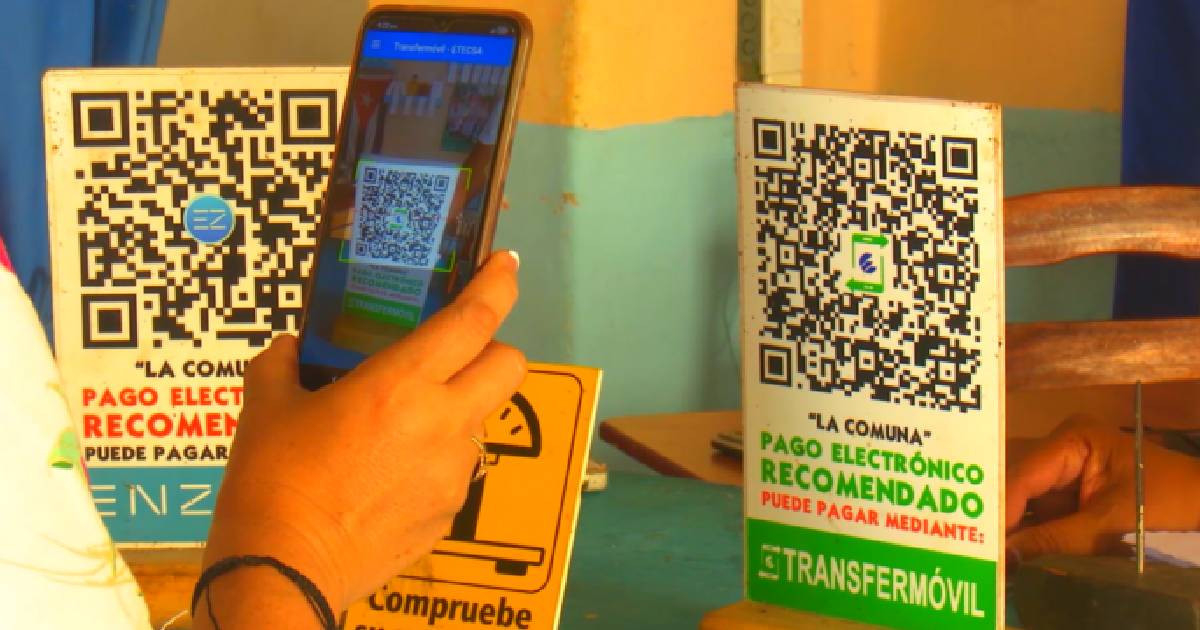
A resident of the capital municipality of Playa reported on Sunday that she spent the entire morning visiting private stores in search of meats, eggs, and cold cuts, but was unable to purchase anything because no Mipyme accepted bank transfers, despite having money on her card.
"Since 9:00 in the morning, I've been walking all over the Playa municipality in search of meat, eggs, sausages, or anything that goes well with rice and beans, and you know what, I've come back with the same empty bag I left with, not because there isn't plenty of that and much more, but because I couldn't find a Mipyme that accepted transfers," wrote on her Facebook profile the person identified as Horten Morejón.
The woman described the establishments as "very nice, with a lot of comfort and quite well-stocked," but completely inaccessible for those who do not carry cash.
"It's outrageous that you have to eat rice and beans plain, because the side dishes are even worse. If you don't have cash, you're out of luck, all because of some dehumanized individuals who only care about getting rich at the expense of the people and evading taxes," he added.
The post sparked a flood of comments confirming that the issue is not limited to Playa.
Citizens reported the same situation at the fair in La Lisa, at the fair in Ponturque in El Cotorro, where a food products kiosk stopped accepting transfers at 11:00 AM but continued selling for cash, as well as in all the businesses in Mónaco in La Víbora.
In that last case, a user recounted that when her daughter-in-law went to file a complaint, she was told that "the inspector has already been here," directly alluding to the corruption that facilitates non-compliance.
The comments also reveal other facets of the problem, from businesses claiming to have their phones turned off or to have "exceeded the bank quota" to avoid accepting transfers, inspectors who "turn a blind eye to line their pockets," to some who even charge up to 30% to businesses that do accept electronic payments.
Private transport drivers are not exempt from the pattern. A citizen noted that she needed to travel to El Cotorro, but the fare costs 1,000 pesos and the drivers do not accept transfers.
As one citizen summarized in the comments: "This happens all over Cuba, and the government is unable to solve it when they themselves created this. Never moving forward and always backward, the people are the only victims of their decisions, which only exist on paper."
This testimony highlights the systematic failure of the banking policy initiated by the regime in August 2023, which mandated that all economic actors accept electronic payments. Despite over 8,000 inspections and the closure of 476 establishments, the reality on the streets remained unchanged.
At the end of May, the official press acknowledged that less than 10% of private businesses in Sancti Spíritus accept transfers as a regular payment method.
The most commonly cited structural cause is that the micro, small, and medium enterprises themselves need cash to restock since their suppliers also do not accept transfers, creating a vicious cycle that the government has not managed to break.
The director of macroeconomic policies at the Central Bank of Cuba, Ian Pedro Carbonell Karel, publicly acknowledged the contradiction weeks ago: "If electronic payment is not easier to make or faster than paying in cash, of course it won’t take hold."
The official media itself acknowledged in April that "cash remains the undisputed king of daily economics" and that illegal surcharges for electronic payments can reach up to 20% in some provinces.
Filed under: