
Related videos:
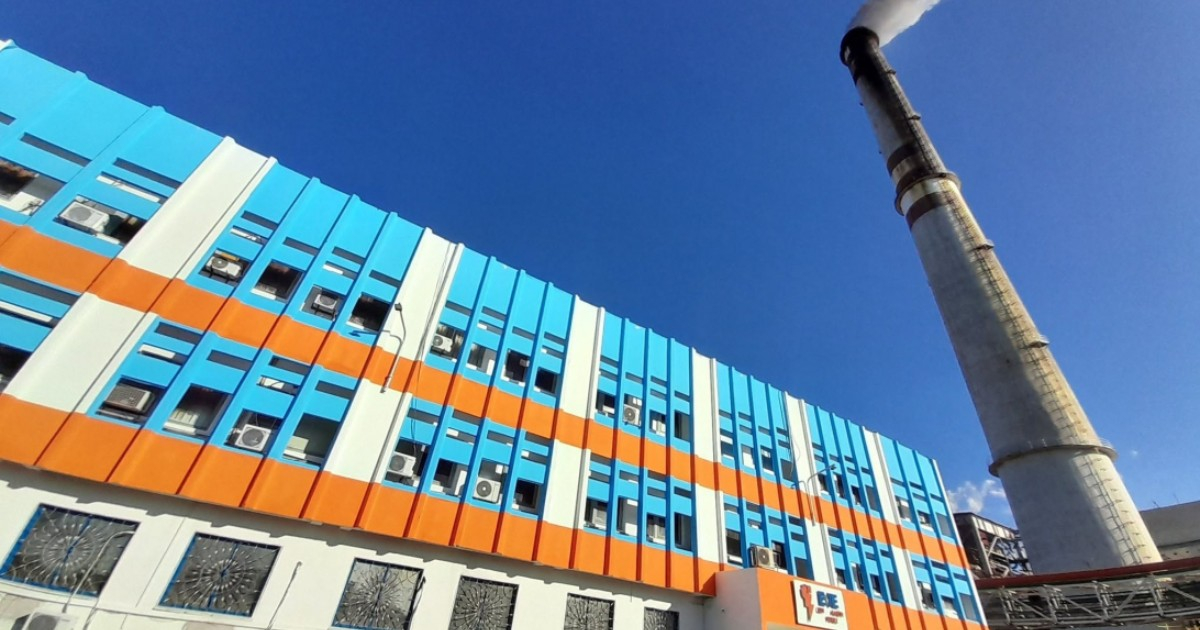
The Lidio Ramón Pérez "Felton" thermoelectric plant was reconnected to the National Electric System this Sunday with 180 MW and stable load, as reported by the plant in Holguín on Facebook.
The reconnection comes hours after the central left the SEN on Saturday without explanation at 5:46 PM.
The Electric Union (UNE) only stated: "At this time, the causes are being investigated," without providing further details.
The news, however, does not change the catastrophic outlook for the Cuban electrical system this Sunday.
According to the official information note from UNE, at 6:00 am, the availability of the SEN was only 1,000 MW against a demand of 2,570 MW, with 1,572 MW already affected at that time.
By midday, a deficit of 1,650 MW was expected, and the forecast for the nighttime peak is devastating: availability of 1,060 MW, demand of 3,050 MW, a deficit of 1,990 MW, and a predicted impact of 2,020 MW.
The 180 MW provided by Felton represent a marginal patch on a deficit that exceeds 2,000 MW.
On Saturday, the maximum impact reached 2,030 MW at 8:50 PM, with the service interrupted for 24 hours.
The causes of the collapse are multiple and structural.
The unit at the CTE Antonio Guiteras - the largest plant in the country, in its 14th output number for the SEN this year - is offline, along with unit 6 of the CTE Máximo Gómez, units 1, 2, and 3 of the CTE Ernesto Guevara, unit 2 of Felton itself, and unit 3 of the CTE Antonio Maceo.
In addition, 106 distributed generation plants are halted due to a lack of fuel, representing 890 MW without coverage, and the total unavailable MW due to fuel amounts to 1,203 MW.
Felton, far from being a reliable solution, has displayed a pattern of chronic instability throughout 2026: it left the SEN in February due to a false hydrogen sensor alarm; on May 11, unit 1 entered a 96-hour maintenance period; on May 15, it failed again due to a low-pressure heater malfunction hours after reconnecting; and this Saturday it went down again for an unexplained reason.
Unit 2 is also undergoing a complete reconstruction since April.
The Minister of Energy, Vicente de la O Levy, acknowledged that Cuba operated without any fuel reserves between December 2025 and May 2026, and described the situation as "acute, critical, and extremely tense."
The desperation of the population in the face of blackouts has translated into spontaneous protests in multiple neighborhoods of Havana, with pot-banging in El Vedado, Centro Habana, Playa, Habana Vieja, Cayo Hueso, and San Miguel del Padrón on the third and fourth of June.
On June fifth, residents of Micro 2 in Santiago de Cuba protested after more than 10 days without electricity due to a damaged transformer, and on Saturday, residents of Regla shut down Maceo Street demanding water and electricity.
The government has not provided structural solutions or specific timelines to resolve the crisis, while the SEN has experienced seven total collapses in 18 months, including the national blackout on March 16, which left the country without electricity for 29 hours and 29 minutes.
Filed under: