
Related videos:
The Housing Law project published by the National Assembly of People's Power stipulates that owners or holders of apartments in multifamily buildings must pay mandatory monthly fees to cover common expenses, according to the text of 190 articles released this Monday.
The XI chapter of the project creates a system of management boards made up of all the owners of each building, with the authority to set those fees and approve agreements by a simple majority of votes.
Article 157 is explicit: "The agreements adopted by the Board of Administration have binding effects for all holders," meaning they would apply to all owners, regardless of their individual stance on those agreements.
For its part, Article 156 outlines that among the powers of this board is "to establish the monthly contribution that the owners must make to cover common expenses," which include cleaning, maintenance, preservation, and rehabilitation of the shared elements of the building.
The board will also be able to approve expenses and income, hire the building management, security services, conservation or rehabilitation, equipment maintenance, and other activities related to shared facilities.
Article 152 reinforces this obligation by stating that the owners of apartments must contribute to the necessary expenses for the "cleaning, decoration, and maintenance of the common services of the building" and the "conservation and rehabilitation of the common elements."
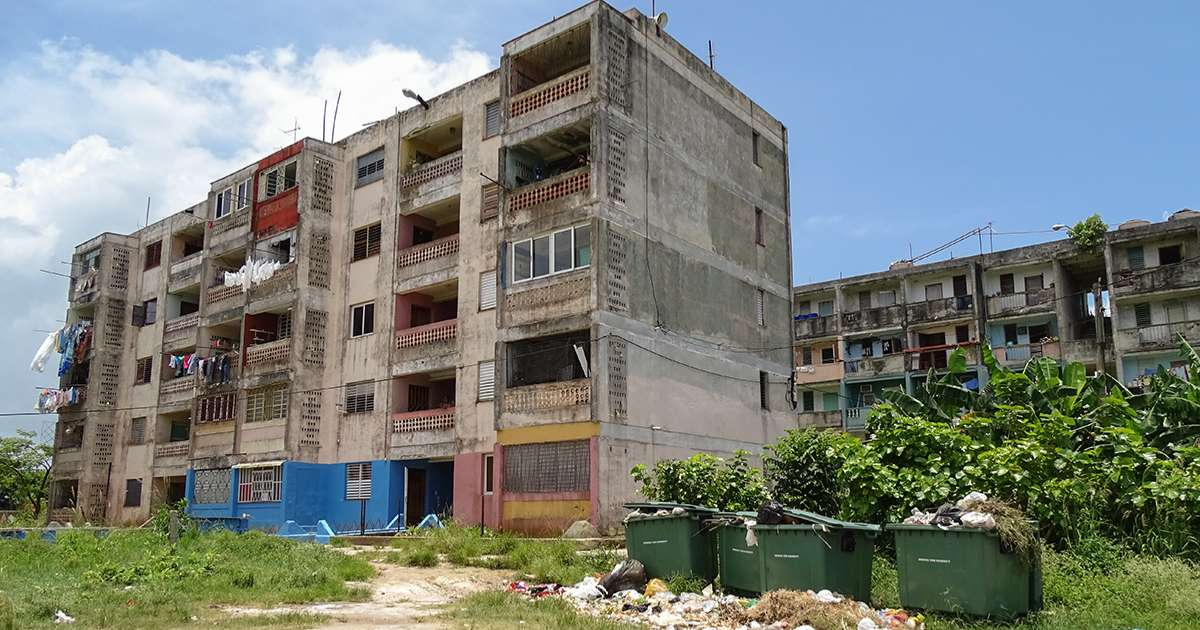
Similarly, Article 148 specifies that these common elements include the land, foundations, structural elements, façade, roofs, stairs, entrances and exits, patios, gardens, garages when they are not private, cisterns, water pumps, elevators, intercom systems, and other existing facilities for common benefit.
The mechanism reinforces a horizontal property regime with collective obligations for apartment owners, within a housing legislation that would repeal the General Housing Law of 1988 and its nine amending decrees.
The project also expands the individual responsibilities of property owners. Article 139 requires them to restore the value of use for uninhabited dwellings with structural deterioration, even if they have not been formally declared in ruins.
Article 141 goes further: if a property falls into a state of disrepair due to abandonment and the owner does not take action, "the Municipal Housing Authority may request the competent court to revoke the right due to abandonment and make it available to the Municipal Administration Council for subsequent allocation."
This provision is particularly relevant in the context of the housing crisis facing Cuba, where the official deficit exceeds 805,000 homes and mass emigration has resulted in an increasing number of properties being closed or abandoned.
Other new obligations include keeping the sidewalks and exterior areas in front of the property clean, and assuming all costs for the maintenance and repair of the property itself.
The project also confirms the limit of two properties owned per individual, plus one for vacation or leisure purposes, and establishes that those who receive subsidized housing cannot sell, donate, or exchange them for 15 years without returning the total subsidized amount to the State.
The text was open for public consultation until February 28, 2026, and is awaiting final parliamentary approval. Once approved, the Council of Ministers will have 60 days to issue the regulation, and the law will come into effect 90 days after its publication in the Official Gazette.
Filed under: