
Related videos:
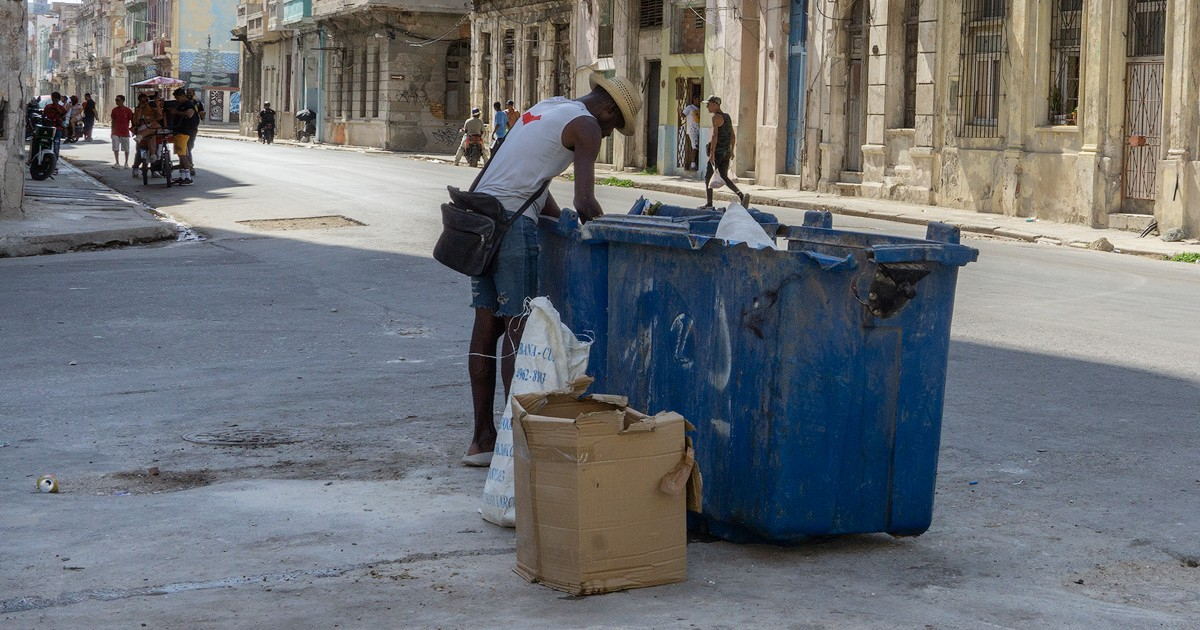
The Cuban intellectual and historian Alina Bárbara López Hernández published a powerful statement on Facebook this Tuesday regarding the food crisis in Cuba, warning that there are people dying of starvation and that the right to continue living "is no longer guaranteed for all" on the island.
In her Facebook post, López Hernández points out that the Cuban peso is "falling uncontrollably": in just four days, it went from 605 to 622 per dollar, dragging along the rise in prices at private businesses that have replaced state-run stores and markets.
The intellectual distinguishes between those who receive remittances or income in foreign currency—who can "weather the storm to some extent"—and those who depend exclusively on salaries, pensions, or retirement income.
For these individuals, the situation worsens due to the banking collapse that holds their money in cards "that only exist virtually," preventing them from obtaining even the essentials.
"Those people are the ones who are going hungry," writes López Hernández, using the term in its strictest sense: "to have NOTHING to eat."
The author describes three factors that exacerbate the situation: the disappearance of bread from the rationing system—“the lunch of the poor”—the inability to cook “without gas, without electricity sometimes for four consecutive days, without money to buy the extremely expensive coal, and without firewood,” and the absence of sugar as a historical emergency caloric resource, following the dismantling of the sugar industry ordered by Fidel Castro 24 years ago.
"Even the small bread from the ration book no longer comes, nor does the life-saving glass of water with sugar, the ineffable 'milord,' which has staved off hunger and provided calories to Cubans throughout history in times of need," he laments.
López Hernández claims to have direct evidence of individuals arriving at medical consultations with fatigue or hypoglycemia without having eaten anything that day: "They are given a dextrose IV, when available, or they are referred to the hospital if the situation is more serious."
Additionally, he recounts that a friend from the neighborhood told him that, while standing in line, several acquaintances mentioned they had not eaten for two days.
The statistical context underscores the seriousness of what is described. The Food Monitor Program reported in 2026 that 96.91% of the Cuban population lacks adequate access to food, and that 33.9% of households reported that a member went to bed hungry in the past 30 days.
Deaths due to malnutrition recorded by the National Office of Statistics and Information rose from 43 to 75 between 2022 and 2023, an increase of 74%.
Regime officials admitted the collapse of the supply of basic foods: the standardized basket had not distributed oil, chicken, or yogurt so far this year.
The maximum pension in Cuba is 4,000 CUP per month, which is less than a third of the cost of the basic basket in Havana, estimated at 12,000 CUP per person, while the dollar and the euro are sharply rising again in the informal market.
López Hernández concludes his text with a direct appeal to collective awareness: “The situation is dramatic and cannot be delayed any longer. There are people dying of starvation. All that’s left is for us to become aware of this and involve ourselves as citizens. It is not just about demanding political rights. It is about the right to stay alive, which is not currently guaranteed for everyone in Cuba.”
Filed under: