
Related videos:
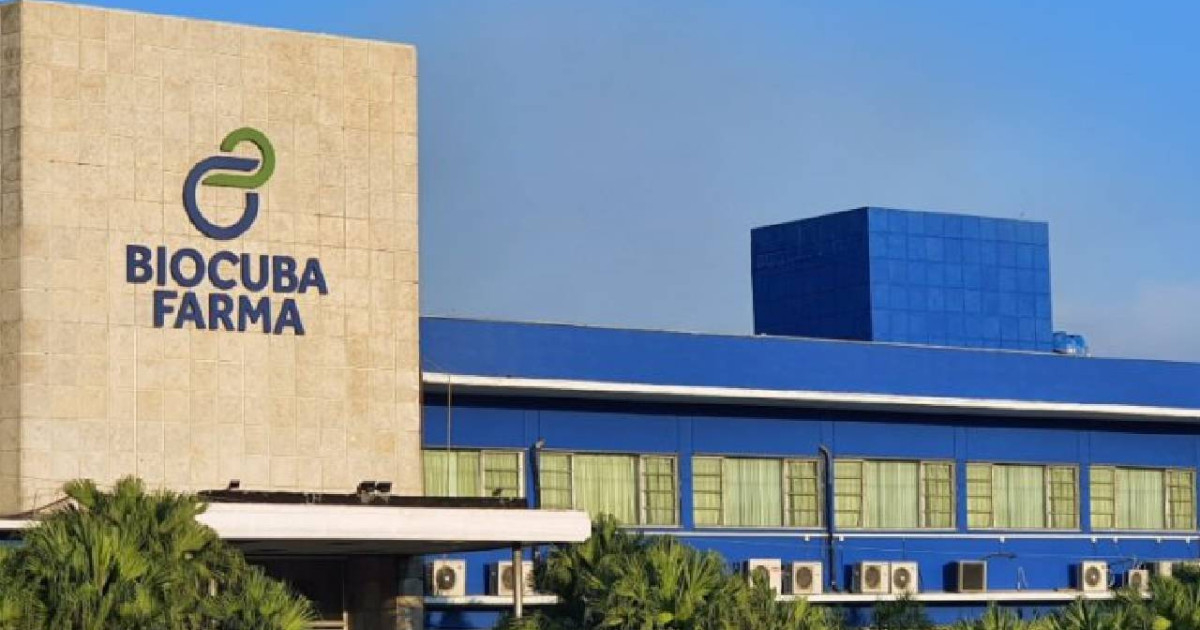
The statements from the state-owned company Biocubafarma regarding the inability to guarantee around 300 medications from the basic health care list due to the impact of the U.S. embargo triggered a wave of criticism and questioning amongCubans on social media this Saturday.
The controversy arose after the president of the business group, Mayda Mauri Pérez, stated to national media that the biopharmaceutical industry is going through the most complex stage in its history and that difficulties in accessing raw materials and pharmaceutical supplies have hindered the fulfillment of many production commitments.
However, numerous users on the Facebook page of the official portal Cubadebate questioned that explanation. "For years, Cubans have faced a shortage of medications," wrote one commenter, while others recalled that long before the current energy crisis, it was already common to turn to the black market to obtain basic medicines.
Several participants also questioned whether the limitations could be solely attributed to the United States, given that Biocubafarma maintains business connections with countries such as China, Russia, and Vietnam.
Some questioned why, if these strategic alliances exist, it is not possible to guarantee the availability of highly demanded medications like salbutamol for asthmatics.
The most critical interventions highlighted contradictions between the official discourse and everyday reality. One user reported that she has been unable to find salbutamol spray for over a year, while others pointed out that these same products can be purchased through commercial platforms in dollars or from private sellers who import medications manufactured in China.
There were also comments linking the shortage to internal economic decisions. Some users blamed the government for prioritizing investments in hotels while essential sectors like public health were deteriorating, while others called for the authorization of small and medium-sized enterprises to market medications under state supervision.
Criticism also targeted the export policy of the biopharmaceutical industry. Although Mauri Pérez asserted that the entity does not export medications that are in shortage in Cuba, several commentators questioned how sales and international agreements are maintained while serious shortages persist in pharmacies and hospitals.
One comment summed up the widespread frustration: "Now all the blame is on the blockade. When will they engage in self-criticism, even just once? They didn't foresee anything; it's due to their inefficiency."
Biocubafarma acknowledged that it has been unable to guarantee around 300 of the 395 medications pledged to the national health system and attributed the situation to a lack of raw materials, the financing of which exceeds 250 million dollars.
The directive also stated that export revenues are allocated to support domestic production and highlighted cooperation with China, Russia, and Vietnam as part of the strategy to tackle the crisis.
Nevertheless, the predominant reaction among readers was marked by distrust toward the official explanations and by the memory of a shortage of medications that, according to numerous testimonies, has been impacting the daily lives of Cubans for years.
The foreign minister Bruno Rodríguez Parrilla recently joined the official narrative by stating that "the lack of fuel prevents almost 50% of the medicines produced in Cuba in recent months from being distributed throughout the country," while also attributing this situation to Washington's oil embargo.
The crisis is neither new nor sudden. A survey conducted between February and March with over 1,700 participants revealed that 54.2% of Cubans face significant barriers to obtaining medications, while only 4.8% managed to do so without difficulty.
In July 2025, the Minister of Public Health himself admitted before the National Assembly that Cuba only had 30% of the basic medicines available, and by the end of 2024 more than 460 essential medications were in total shortage or had low availability, over 70% of the basic medicines.
Meanwhile, the regime promotes the export of medicines to foreign markets, and BioCubaFarma operates a subsidiary in Zaragoza, Spain, that sells medical equipment to over 20 countries.
Filed under: