
Related videos:
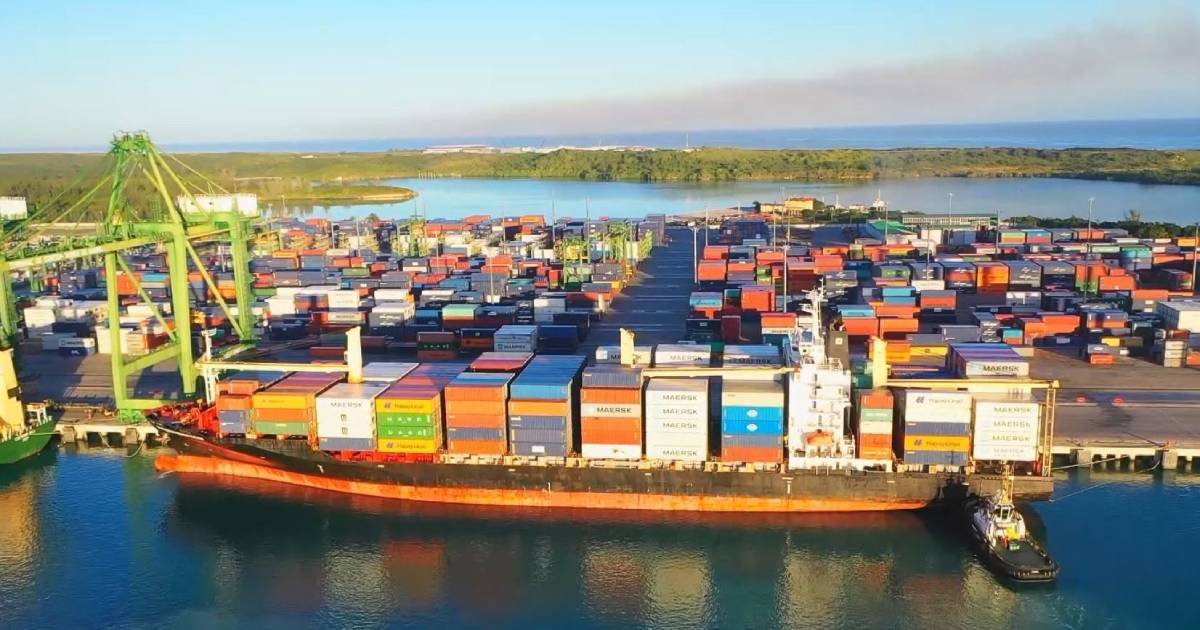
While the Donald Trump administration increases pressure on the Cuban regime with new economic sanctions, thousands of shipments continue to leave the United States for the island.
A report by Bloomberg News, based on data from the trading platform ImportGenius, reveals that U.S. exports to Cuba nearly tripled in just four months compared to the total volume recorded during all of 2025.
By early May 2026, around 3,300 shipments had been recorded from U.S. territory, with most originating from South Florida. The cargo included food, fuel, vehicles, motorcycles, appliances, furniture, mattresses, and spare parts.
Among the products sent are hundreds of shipments of rice, sugar, and frozen chicken, in addition to dozens of cars, trucks, and off-road vehicles.
However, the most striking data is related to fuel.
Since February, when the regime allowed small and medium-sized private enterprises to import fuels, there have been at least 275 shipments of diesel and another 82 of gasoline via ISO tanks, specialized containers that allow for the maritime transport of small quantities of fuel.
The growth of these shipments may seem contradictory at a time when Washington is tightening its measures against Havana, but there is a legal explanation.
A significant portion of the operations is based on an exception known as "Support for the Cuban People," which is included in U.S. export regulations. This provision was originally designed to facilitate the shipment of goods to Cuban families and to support independent economic activities outside of state control.
Under this mechanism, many exports can be carried out without the need for special licenses, as long as they are deemed to directly benefit the population and not state entities.
Pedro Freyre, president of the international practice area at Akerman LLC, explained to Bloomberg that this dynamic aligns with Washington's traditional strategy.
"The long-standing policy of the United States is to soften the impact on the Cuban people while pursuing the regime," he noted.
The Trump administration has precisely maintained that line: increasing pressure on state-owned enterprises considered economic pillars of the Cuban government while allowing certain exchanges with the emerging private sector.
Currently, there are more than 9,200 authorized micro, small, and medium-sized enterprises (mipymes) in Cuba, and according to official data, in 2024, retail sales in the private sector exceeded those in the state sector for the first time.
However, the limits of that policy were recently exposed by the Vanguard Energy case.
The company based in Coral Gables had announced an ambitious project to send large volumes of fuel to the island using infrastructure from CUPET, the Cuban state oil company. However, the operation was suspended after Washington sanctioned CUPET on June 11 and warned about possible consequences for companies that maintained business with the entity.
Despite the increase in shipments, the trade flow remains insufficient to alleviate the deep crisis that Cuba is experiencing.
The island has been facing a severe fuel shortage for months, which has worsened power outages, affected transportation, and limited economic activity.
According to reports cited by Bloomberg, international organizations have warned about the humanitarian impact of the crisis, which affects everything from health services to access to drinking water.
One aspect that remains unanswered is who exactly receives many of these shipments.
The analyzed customs data does not identify the final Cuban importers, so it is unknown which companies or entities are behind a significant portion of the goods currently arriving on the island.
What the figures do show is a reality that challenges appearances: while Washington tightens sanctions against the Cuban regime, trade between the two countries continues to grow through channels that U.S. legislation still allows.
Filed under: