
Related videos:
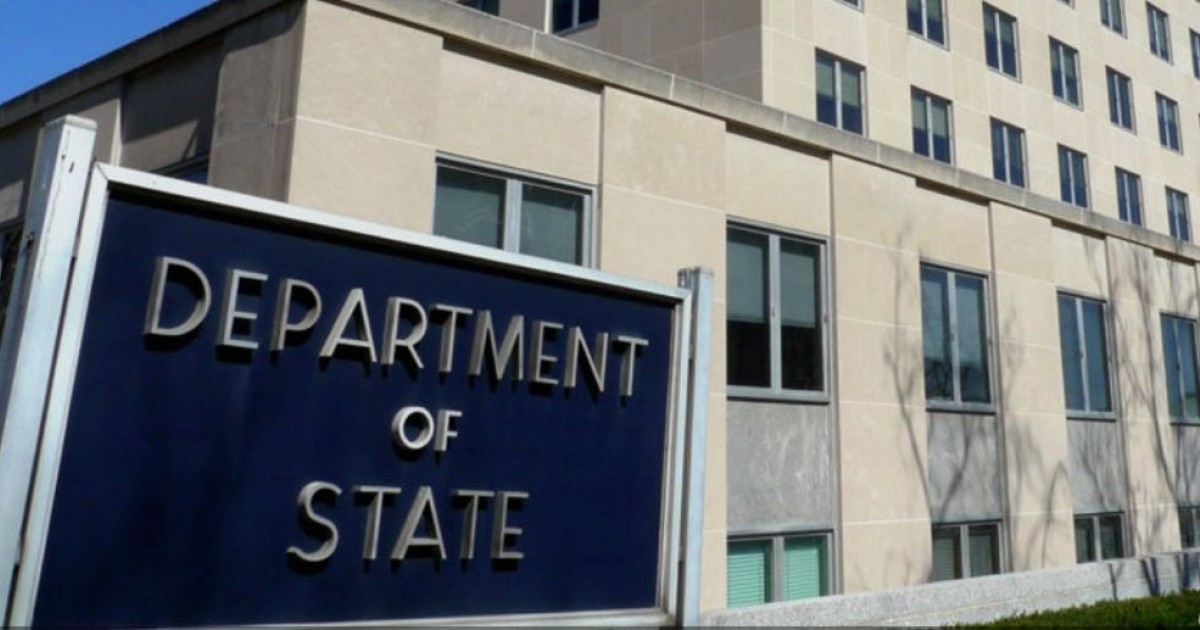
The State Department announced on Tuesday that it sent a warning letter to an unidentified foreign company for allegedly trafficking in properties confiscated by the Cuban regime, a practice that could result in visa restrictions for its top executives.
The information was released by the Office of Western Hemisphere Affairs through its official account on X, where it reminded that those who benefit from properties expropriated from American citizens may face sanctions under Title IV of the LIBERTAD Act (Helms-Burton).
"The visa is a privilege, not a right," stated Secretary of State Marco Rubio in the message cited by the agency.
Although U.S. authorities did not disclose the name of the company or the sector it operates in, the announcement contains a significant detail: the reference to "another" warned company.
The warning comes amid an escalation of actions against the main sources of income and financing for the Cuban regime.
On May 1st, Trump signed Executive Order 14404, which expanded the sanctions framework against Cuba and introduced secondary measures targeting foreign companies that operate in sectors deemed strategic by Havana, including energy, mining, defense, security, and financial services.
Days later, on May 7, Washington sanctioned GAESA, the business conglomerate controlled by the Cuban Armed Forces, and gave a deadline of June 5 for foreign companies and financial institutions to sever their ties with the entity or risk facing possible sanctions.
The pressure continued on June 11 with the inclusion of CUPET, the Cuban state oil company, in the list of entities sanctioned by the United States. On that occasion, Rubio explicitly warned foreign companies and banks about the risks of maintaining business relationships with the company.
The hardening of U.S. policy has also found support in the courts.
In May, the United States Supreme Court ruled in favor of Havana Docks Corporation in a lawsuit concerning the use of confiscated port facilities in Havana, a decision considered by analysts as an important precedent for future claims related to properties nationalized by the Cuban regime.
The letter sent this Tuesday reinforces the message that Washington has been conveying since the beginning of the year: foreign companies operating on confiscated assets in Cuba could face not only civil lawsuits but also immigration and financial repercussions for their executives.
The Trump administration's interest in intensifying this policy was also reflected in the report "Confiscated Property in Cuba," submitted by the State Department to Congress in May 2026, a document that highlights the enforcement of the Title IV of the Helms-Burton Act as one of the priorities of the U.S. strategy towards the island.
The new warning suggests that this offensive is far from over.
Filed under: