
Related videos:
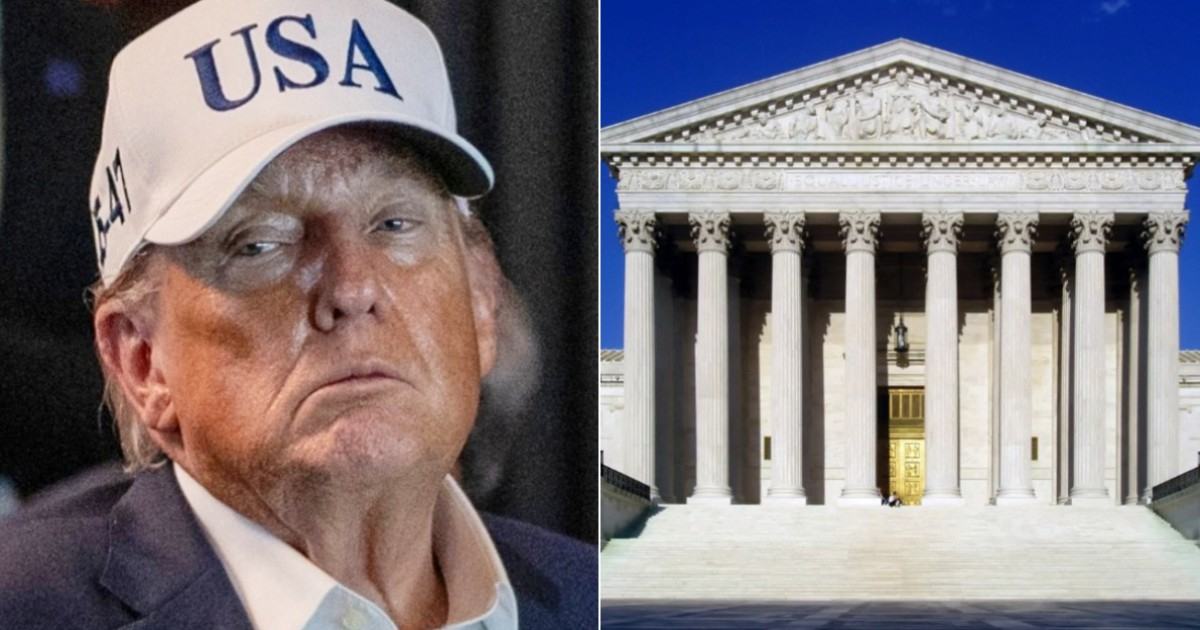
The Supreme Court of the United States will issue rulings in the coming weeks on at least five cases directly related to the immigration policies of President Donald Trump, with the first day of decisions scheduled for this Thursday, according to a report by NBC News.
The court, with a conservative majority of six to three, still has 20 cases pending in the current judicial term, which concludes at the end of June. The outcome could redefine the scope of presidential power and the future immigration status of hundreds of thousands of people.
The most significant case is Trump v. Barbara, which revolves around the executive order signed on January 20, 2025, to deny automatic citizenship to children born on U.S. soil to parents who are undocumented or in temporary status.
All the lower courts that have examined the measure have declared it unconstitutional, and the consensus among legal experts indicates that the Court will rule against the president on this matter.
Trump attended in person the oral arguments on birthright citizenship on April 1, becoming the first sitting president to do so, and since then he has openly expressed his frustration.
"United States cannot live with the chains of birthright citizenship. It is not sustainable economically or in any other way," he wrote on Truth Social last week.
According to estimates from the Migration Policy Institute and Pennsylvania State University, more than 250,000 babies born each year in the U.S. could be affected if the order succeeds.
In matters of Temporary Protected Status (TPS), the Court will resolve the cases Mullin v. Doe and Trump v. Miot, which will determine whether the government can revoke those protections for approximately 350,000 Haitian immigrants and around 6,000 Syrians.
The revocation of TPS for approximately 51,000 Hondurans and 3,000 Nicaraguans was already enabled by the Ninth Circuit in February 2026, ending protections that had been in place since 1999.
On the other hand, the case Noem v. Al Otro Lado will determine whether the government can physically block asylum seekers at ports of entry before they are able to submit their applications. During the oral arguments on March 24, most of the justices appeared receptive to the government’s position.
The context is particularly relevant for the Cuban community: a ruling on June 5 by a federal court in Rhode Island overturned Trump’s immigration policies - including the asylum pause and the freeze on immigration benefits - for nationals from 39 countries, including Cuba, Venezuela, and Haiti.
However, that ruling could be overridden depending on what the Supreme Court decides in the coming days.
Filed under: