
Related videos:
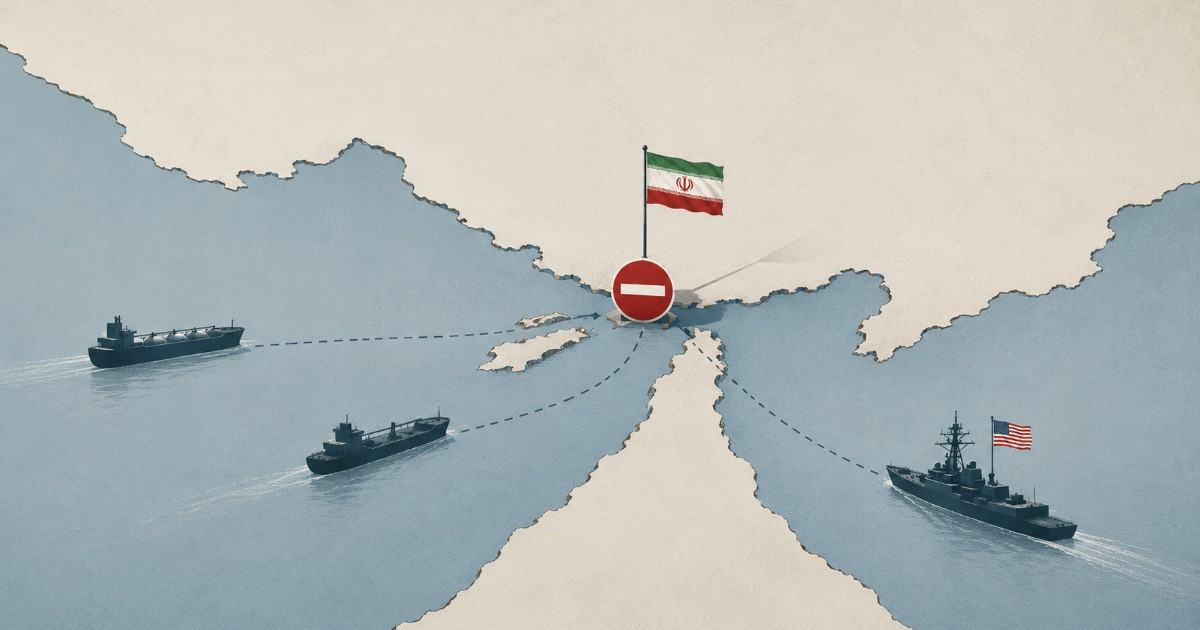
The Iranian Armed Forces announced on Saturday the closure of the Strait of Hormuz to maritime traffic, in response to the ongoing Israeli bombings in southern Lebanon and holding Washington accountable for violating the peace agreement signed just three days earlier.
The announcement was made by the Central Headquarters Jatam al Anbiya, the main command of the Iranian Army, through a statement released by the official agency IRNA.
"In light of the non-compliance and clear violation by the United States of the first clause of the memorandum of understanding to end the war, and in response to the ongoing and persistent violations of the ceasefire by the Zionist regime in southern Lebanon (...), it is announced that the Strait of Hormuz will be closed to the passage of vessels," declared the Iranian command.
Tehran characterized the closure as the "first step" in its response to Washington's failure to meet its commitments, and warned that further measures are prepared: "Should the aggression continue, new measures have been planned and will be executed to compel the enemy to fulfill its obligations."
The immediate trigger was the Israeli attacks that on Saturday resulted in the death of at least seven people in southern Lebanon, including two minors, in places such as Nabatiyeh.
Israel described the bombings as retaliation for projectiles fired by the Shiite group Hezbollah, although it claimed to remain committed to the ceasefire announced on Friday by official American and Israeli sources.
Iran condemned the "ruthless slaughter" and the displacement of hundreds of thousands of people in Lebanese territory, criticizing that Israeli forces have not withdrawn from the south of the country.
This is the second closure of the strategic maritime passage in less than four months. Iran and the United States had last-minute suspended the peace negotiations scheduled for Friday, June 19, in Switzerland, linking the cancellation directly to the Israeli attacks in Lebanon.
On June 17, Iran and the United States had signed a 14-point memorandum of understanding that included the cessation of hostilities on all fronts, the reopening of the strait, the initiation of nuclear negotiations within 60 days, a fund of 300 billion dollars for Iranian reconstruction, and the lifting of American sanctions.
Tehran had blocked the maritime passage for the first time on February 28, 2026, at the beginning of the war. Washington responded in mid-April with a naval blockade of Iranian ports and ships.
The Strait of Hormuz is the world's primary energy bottleneck: through its mere 39 kilometers of minimum width, about 20 million barrels of oil per day pass through, which accounts for 20% of the global maritime trade in crude oil, as well as nearly 20% of the liquefied natural gas traded worldwide.
Since Israel resumed bombings over Lebanon on March 2 and launched a ground invasion on the 16th of that same month, the death toll in Lebanon from the Israeli offensive has already surpassed 4,000, according to updated data this Saturday from the EFE agency.
The Iranian Foreign Minister traveled to Switzerland this Saturday to demand that Washington comply with the peace agreement, while a new date for discussions regarding the Iranian nuclear program has yet to be set.
Filed under: