
Related videos:
The Electric Union reported that on Thursday the maximum impact reached 2,208 MW at 8:50 PM, surpassing the previous record of 2,174 MW set on May 14, while the service was interrupted for 24 hours a day with no possibility of restoration.
The situation worsens as we approach peak hours this Friday: the state entity projects an availability of only 1,065 MW against a maximum demand of 3,200 MW, resulting in a deficit of 2,215 MW and an estimated impact of 2,245 MW. By six in the morning, the system was already recording 1,866 MW affected with only 995 MW available.
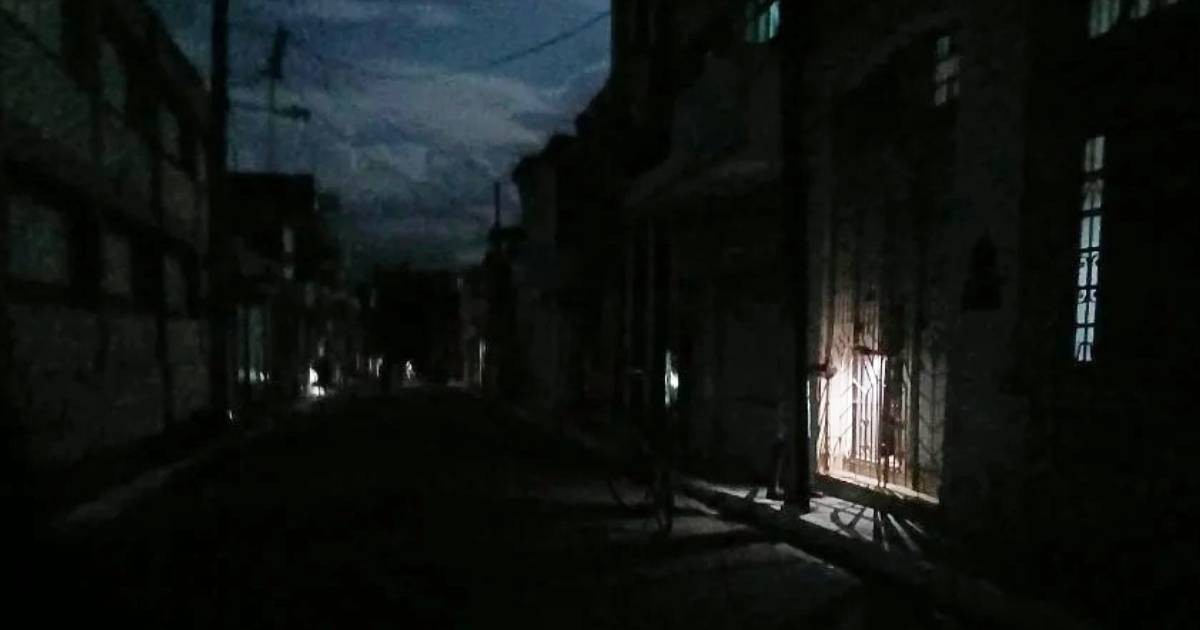
In Havana, the situation was equally critical. The Electric Company of Havana confirmed on Facebook that the capital was without electricity for 24 hours on Thursday, with a maximum impact of 640 MW at 11:10 PM. "It was necessary to shut down circuits due to EMERGENCY with 245 MW. It was not possible to restore the service," the company stated. By the end of their note, the six emergency blocks and circuits —581 MW— remained without service.
The causes of the collapse are structural. 106 distributed generation plants remain idle due to a lack of fuel, representing 890 MW out of service. The Regla and Melones tankers, along with the Central Fuel in Mariel and the one in Moa, account for a total of 1,203 MW unavailable for the same reason. Additionally, there are 311 MW lost due to breakdowns in thermoelectric units, including the CTE Antonio Guiteras, which has accumulated 16 breakdowns so far in 2026, the latest occurring just on Wednesday.
The 54 solar photovoltaic parks installed by the regime generated 5,001 MWh on Thursday, with a peak of 775 MW at noon, but they are unable to compensate for the nighttime deficit when demand exceeds 3,200 MW.
The energy collapse has its roots in the abrupt interruption of Venezuelan oil supply starting in January 2026. Cuba relied on about 35,000 daily barrels of Venezuelan crude, which covered nearly 30% of its energy needs. So far, alternative sources have failed to fill that gap: Russia sent a timely shipment of 740,000 barrels in March, but the structural deficit persists.
The social impact is devastating. Cubans have protested in Vedado and other neighborhoods in the capital due to blackouts lasting nearly 24 hours. In Santiago de Cuba, there were also reports of protests with pots and pans in various neighborhoods.
The Cuban Observatory of Conflicts, for its part, reported 1,311 protests just in May, the highest monthly figure recorded. The regime has responded with a police presence, arrests, and internet blackouts in conflict zones.
The Electric Union warned that the expected impact for the night peak this Friday "depends on the availability conditions of the SEN," without offering guarantees of improvement in the short term.
Filed under: