
Related videos:
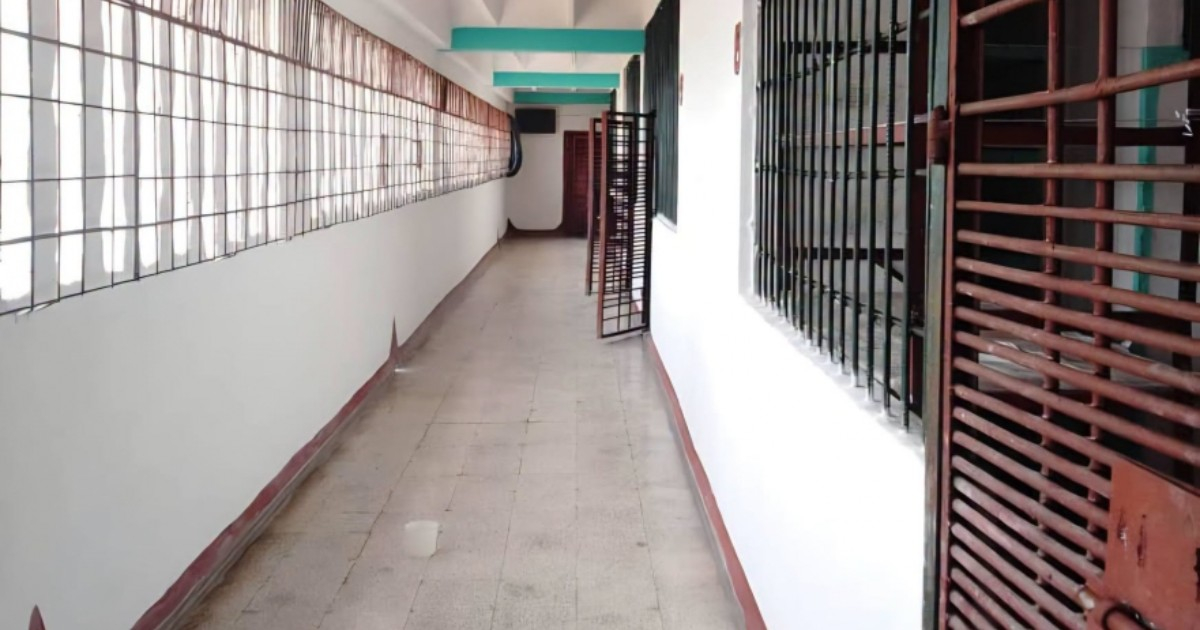
A human rights activist based in the United States reported on the critical situation faced by inmates at the Canaleta disciplinary prison in the province of Ciego de Ávila, where the scarcity of drinking water has become a tool of repression against those who dare to protest.
Yonimiler Del Río Polo, representative of the Mario Manuel de la Peña Human Rights Movement from exile, detailed on that prisoners who have spoken out internally are immediately transferred to punishment cells.
According to the complaint, in those cells, the prison authorities provide them with only one bucket of water every 24 hours, and they have to meet all their needs with that.
"The guards who attend to the inmates only provide them with a bucket of water to meet all their needs for 24 hours; with that amount, they have to wash their clothes, drink from it, clean the latrines, and bathe," he wrote.
The reprisal is not limited to isolation and deprivation of water. Any additional claim exposes the prisoners to new charges of "public disorder" or "disobedience," offenses that could lead to further convictions in the regime's courts.
Del Río Polo was emphatic in identifying direct responsible parties: Colonel Luis Ernesto Castellano Dobao, representative of the Ministry of the Interior (MININT) in Ciego de Ávila, and Lieutenant Colonel Juan Miguel Sánchez Duarte, head of the Prison and Jail Agency in that province.
"The management of that facility, in retaliation for the internal protests of the inmates, demonstrates once again that both the population inside and outside the prison are living under an openly declared dictatorship, regardless of international public opinion," the activist stated.
He closed his statement with an urgent call to the international community: “We ask human rights advocacy organizations to take what has been explained here very seriously and to take action in defense of these inmates.”
The report comes just four months after the violent riot that broke out in Canaleta on February 18, when a young inmate was beaten by guards for protesting against extreme hunger. That rebellion was suppressed by special forces using rubber bullets and pepper spray; Prisoners Defenders reported between seven and ten dead, a figure that MININT has never confirmed.
The national context worsens the situation inside the prison. Nearly 2.7 million Cubans -28% of the population- suffer from daily shortages of drinking water, and the supply system operates with only 37% of the fuel needed to maintain the pumping stations.
Within prisons, that crisis becomes a tool for punishment.
Since January, at least 20 deaths have been recorded under custody in Cuban prisons, many attributed to severe malnutrition, according to data documented by human rights organizations.
The increase in deaths in custody occurs alongside a historic high of 1,260 political prisoners recorded by Prisoners Defenders in April.
Filed under: