
Related videos:
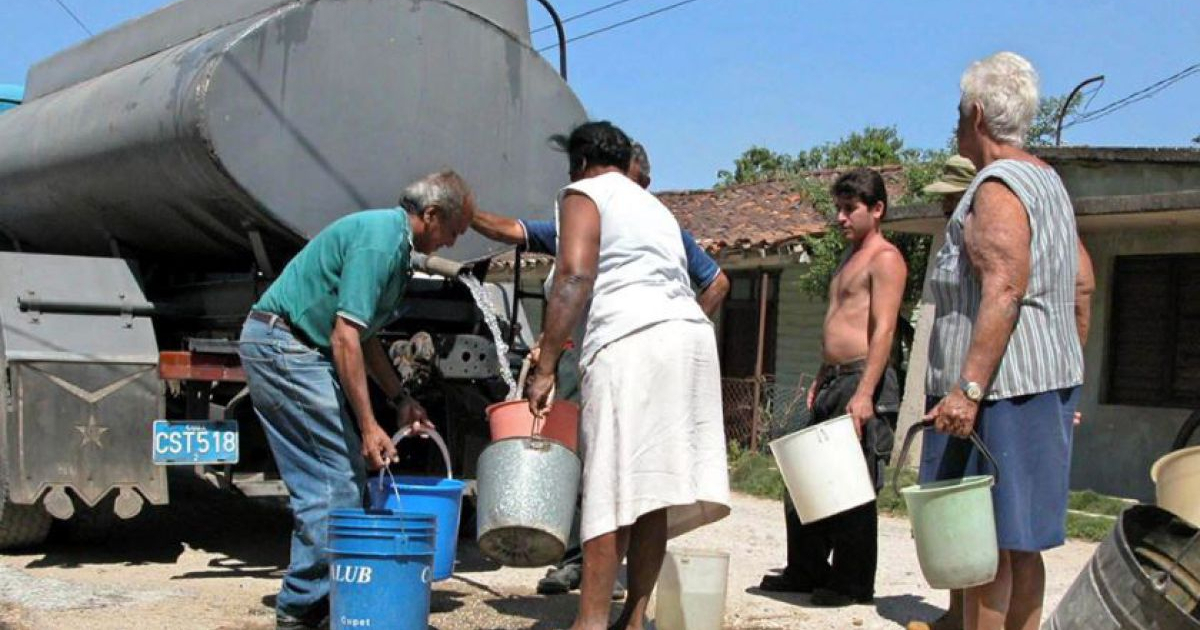
About 2.7 million Cubans lack regular access to drinking water every day as a direct consequence of the severe fuel crisis that is paralyzing the country's pumping system.
The data from the National Institute of Hydraulic Resources was analyzed by AP and indicates that the total number of people affected by intermittent water supply amounts to nearly 10 million people, practically the entire Cuban population.
The hydraulic system operates with only 37% of the fuel it requires, which prevents the pumping stations from functioning for the 18 to 24 hours a day necessary to ensure supply.
The immediate trigger is the collapse in oil imports. Cuba needs between 90,000 and 110,000 barrels daily —equivalent to about eight fuel ships per month— but in April 2026, only one ship arrived.
The Minister of Energy and Mines, Vicente de la O Levy, acknowledged on May 14 that the country had exhausted its reserves of diesel and fuel oil for electricity generation, an unprecedented admission that confirmed the extent of the shortage.
Power outages have lasted between 20 and 50 hours in some areas of the country, with generation deficits exceeding 2,100 MW by mid-May, according to reports from the Electric Union.
Only in Havana, 376,055 people were experiencing water access issues as of May 15: 66,961 due to infrastructure breakdowns and more than 309,000 due to lack of electricity for pumping.
The regime attributes the crisis to the pressure policies of Washington. An executive order signed by Donald Trump on January 29 threatens tariffs on countries that export fuel to Cuba, and a second order from May 1 expanded sanctions by blocking foreign banks linked to the Cuban energy sector.
Venezuela, which historically supplied most of Cuba's oil under preferential agreements, drastically reduced its shipments after Maduro's fall. Mexico, which became an alternative supplier with 19,200 barrels per day between January and September 2025, also cut exports due to fears of U.S. reprisals.
However, the crisis has structural roots that go far beyond sanctions: decades of aging infrastructure, lack of investment in the hydraulic system, and a complete dependence on imported oil are a direct result of 67 years of dictatorial management. Cuba produces internally only about 40% of the crude oil it needs.
Filed under: