
Related videos:
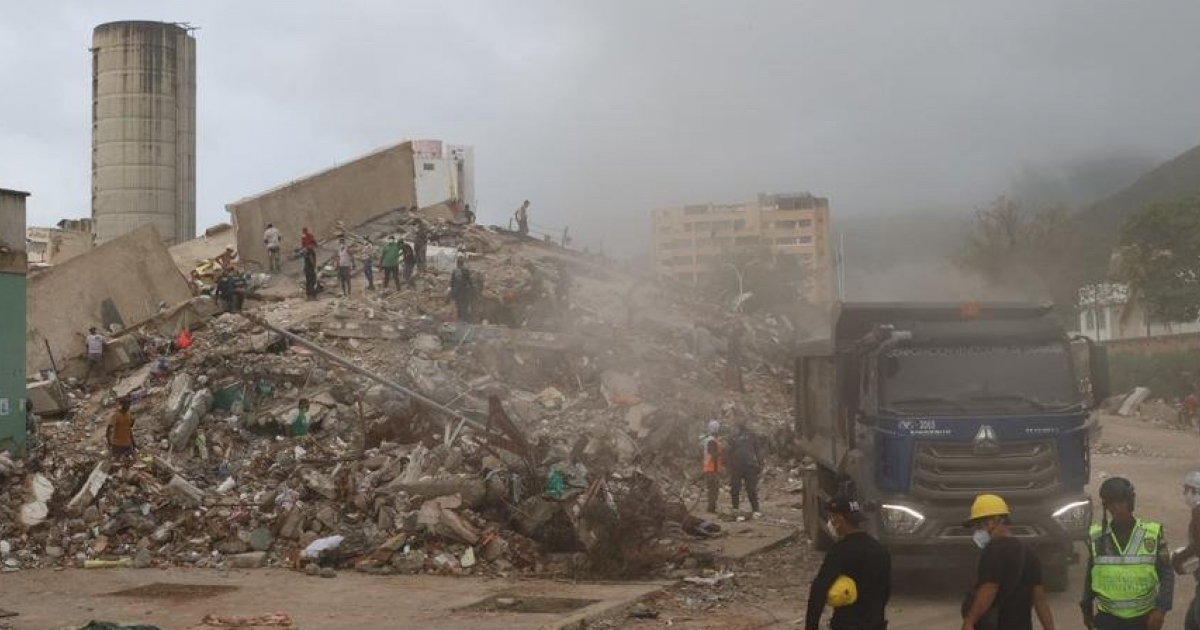
Seven days after the two earthquakes that shook northern Venezuela, the country is experiencing a humanitarian catastrophe of proportions that are still difficult to measure. The tremors hit particularly hard in La Guaira, Caracas, and other areas in the central-northern part of the country. The tragedy has left thousands of families homeless, hospitals overwhelmed, entire neighborhoods without electricity or potable water, and a population that, in far too many cases, has had to rescue their neighbors with their bare hands and makeshift tools.
The figures are continuously changing and also reveal a lack of official transparency. The most recent reports place the death toll at around 2,000, with more than 10,000 injured; there are also mentions of tens of thousands of missing persons or individuals who have yet to be located. The satellite estimates reported by international media indicate that tens of thousands of structures have been damaged or destroyed, although this figure requires verification on the ground. There is still no solid and definitive assessment of collapsed homes, public buildings, schools, and hospitals. La Guaira and parts of Caracas have been marked by mountains of debris, mass displacements, and a persistent fear of new aftershocks.
The search for survivors continues, although each hour dramatically reduces the chances. There have been extraordinary rescues even after more than a hundred hours under the rubble, but the central phase of the emergency is beginning to shift towards recovering bodies, caring for the injured, and assisting those affected. Thousands of people need potable water, food, medicine, temporary shelter, psychological support, and basic services. Hospitals, which were already operating under pressure before the disaster, are now facing extreme demand.
In this terrible hour, the United States has played a decisive role. Washington mobilized search and rescue teams, medical support, logistical capacity, and large-scale humanitarian aid; recent reports indicate over 300 million dollars. Alongside American specialists, rescuers and supplies from numerous countries have arrived.
El Salvador mobilized hundreds of rescuers, paramedics, and dozens of tons of equipment, medicines, and basic supplies. Brazil sent a field hospital, firefighters, and specialists; Colombia, Mexico, Ecuador, Panama, the Dominican Republic, and several European countries have also contributed personnel, rescue dogs, technical equipment, and medical assistance. Argentina is among the governments that offered humanitarian aid and rescue support, even while maintaining deep political differences with the regime of Delcy Rodríguez.
However, international solidarity has faced a more serious problem: the incompetence, lack of transparency, and politicization of the official Venezuelan response. Numerous testimonies from survivors and volunteers report delays, a lack of equipment, scarce coordination, and a military presence that, instead of always facilitating aid, has generated suspicion and tension.
Several media outlets have reported citizens' complaints about obstacles to aid, accusations of looting by security forces, and rescues carried out by civilians due to insufficient state support. Some authorities and officers were arrested following allegations of looting.
Particular indignation was caused by the video of a heated exchange between Diosdado Cabello and an American rescuer in the midst of the disaster zone. Although the full circumstances of the incident remain the subject of conflicting versions, the images and news reports reflect an alarming reality: while there are people trapped under the rubble, regime officials seem more focused on controlling the scene, asserting authority, and politically managing the tragedy than on allowing each rescue team to act swiftly and freely.
China, Russia, and Cuba, allies of the Chavista regime, have expressed support and announced or provided some type of medical, logistical, or humanitarian aid. However, no propaganda gesture can hide the fact that the most visible and decisive help in rescue, logistics, and resources has come from the United States and democratic nations in the Americas and Europe.
The reconstruction will be slow. Repairing homes, hospitals, schools, electrical networks, aqueducts, roads, and destroyed buildings may take years. However, the tragedy can also accelerate a truth that millions of Venezuelans already know: a country without independent institutions, without transparency, without freedom of the press, and without the rule of law is left defenseless in an emergency like this.
In the midst of the emergency, opposition leader María Corina Machado has expressed her decision to return to Venezuela to stand by her people, support affected families, and contribute to recovery efforts. “I need to be there,” she has said, emphasizing that the priority must be to save lives and assist those who have lost everything.
However, it was reported that the authorities of Delcy Rodríguez's regime have prevented her return through restrictions and closures that block her entry into the country. The refusal to allow an opposition leader to return during a time of national grief once again reveals the fear of chavismo towards any independent leadership.
A catastrophe of this magnitude can hinder democratization if those in power use suffering to militarize, censor, and distribute aid based on political criteria. However, it can also accelerate the process if Venezuelans transform their outrage into civic demands: aid without partisan control, truthful information, accountability, respect for humanitarian organizations, and a democratic transition that rebuilds not only the destroyed buildings but the entire nation.
Filed under:
Opinion article: Las declaraciones y opiniones expresadas en este artículo son de exclusiva responsabilidad de su autor y no representan necesariamente el punto de vista de CiberCuba.