
Related videos:
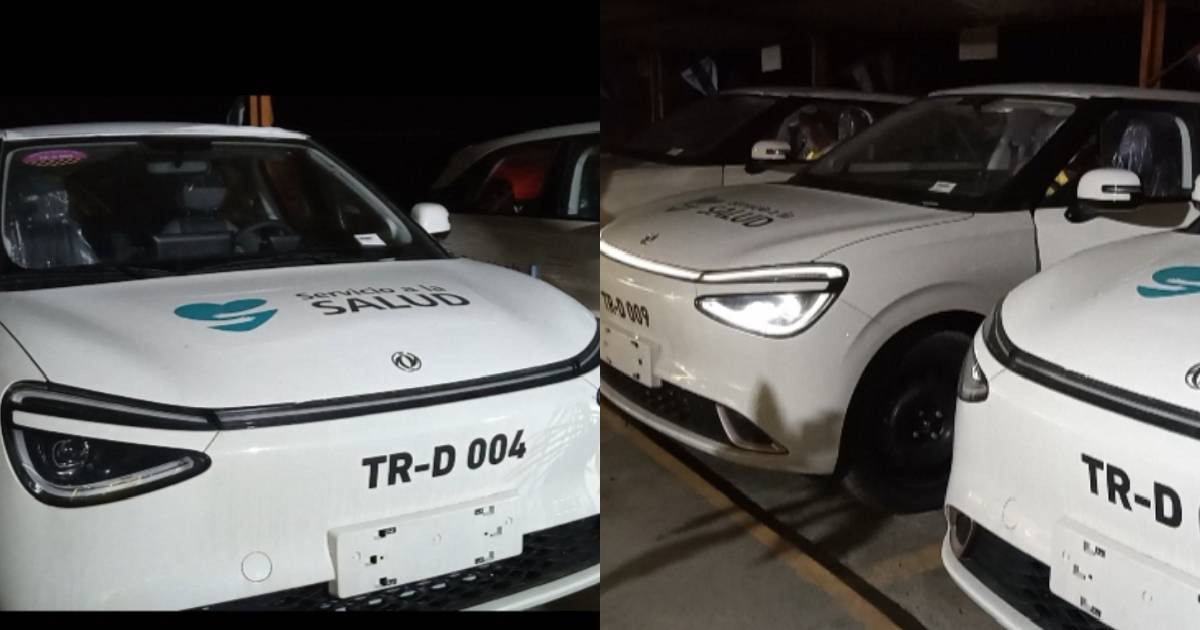
The province of Las Tunas received 10 electric vehicles from the brand Dongfeng, exclusively intended for transporting dialysis patients, in response to the paralysis of medical transport caused by the chronic fuel shortage in Cuba.
Taxis are part of the national batch of 200 electric vehicles Dongfeng Box 01 that the government put into circulation in May, the first half of the 400 vehicles announced by the government in March to serve the more than 3,000 renal patients who rely on regular sessions at the 57 hemodialysis units in the country.
According to the official newspaper 26, the vehicles were acquired through the Development Fund of the Ministry of Transportation. Serguey Tamayo Rodríguez, director of the Las Tunas Taxi Agency, explained that they will operate under a strict schedule, covering the first and second mobility shifts, but they will not operate at night or in areas with difficult access, and must be parked before four in the afternoon.
"The cases of patients in more remote areas, where the terrain allows, have been reviewed with Health, and that is where we will provide the service, precisely to help alleviate the situation with fuel," stated the executive.
In the capital municipality, taxis will cover routes 1 and 7, with exceptions for medical discharges and transfers of pregnant women. In the northern municipalities of the province, where there are an average of four patients per taxi, the autonomy of 430 kilometers on a full charge ensures service can be maintained.
The sustainability of the project initially depends on the national electrical grid, with a consumption of seven kilowatts per vehicle. However, a solar energy project agreed upon with Dongfeng is already in development under the same contract, which would cover the current 10 vehicles and another 10 planned for a second acquisition. A small and medium-sized enterprise (mipyme) from Holguín has been authorized to carry out the photovoltaic installation, the source indicated.
The measure comes after months of documented health emergency. Since February, dialysis patients faced risks due to lack of transportation in Las Tunas, Granma, Pinar del Río, Ciego de Ávila, and Villa Clara.
In April, a mother from Puerto Padre publicly reported that the authorities were threatening to suspend prioritized taxis for kidney patients due to a shortage of fuel, while local leaders had unrestricted access to the resource.
The energy crisis that necessitated this solution is of an unprecedented magnitude. The Minister of Energy and Mines, Vicente de la O Levy, admitted in May that Cuba had "absolutely nothing" in diesel or fuel oil.
Las Tunas is not the only province receiving these vehicles gradually. In mid-June, Villa Clara received 10 of its 20 assigned electric cars for the same service, which shows that the distribution of the national lot is progressing province by province.
Tamayo emphasized that the introduction of electric taxis will save a significant amount of fuel and free up resources for other services.
The crisis, however, persists across the island. The Ministry of Public Health acknowledged in June that the ambulance system meets less than 40% of national demand, and in Camagüey, patients went nearly a week without hemodialysis due to a lack of acid concentrate and bicarbonate.
Filed under: