
Related videos:
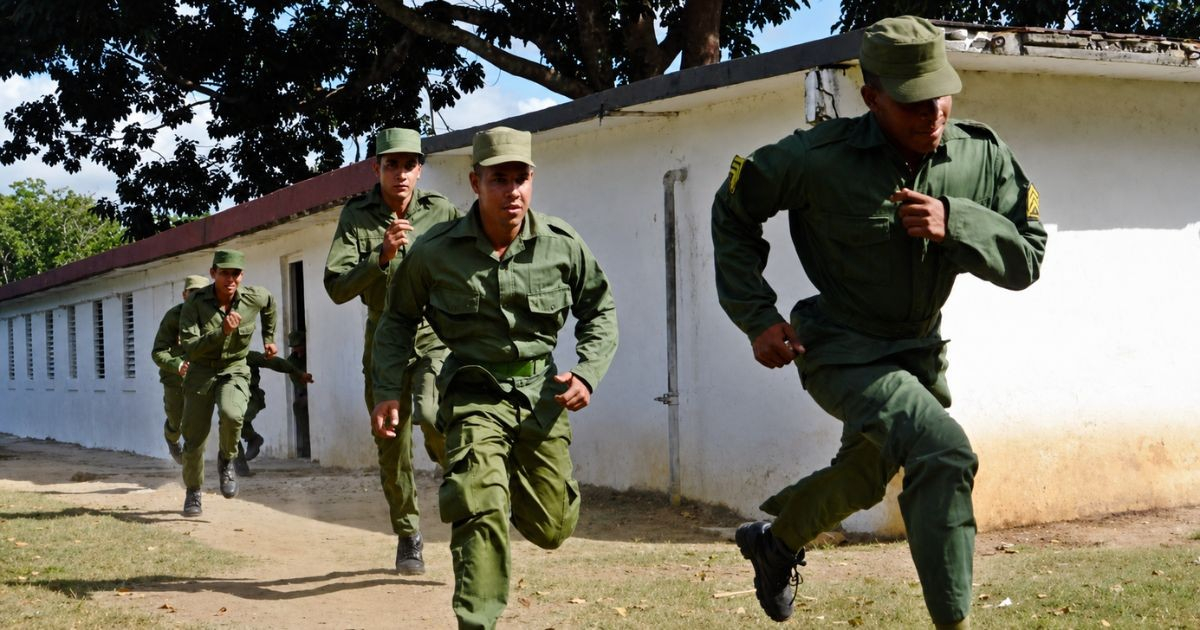
A post from the official station Radio Ciudad Monumento celebrating the recruitment process for Active Military Service in Bayamo, Granma province, triggered a wave of criticism from Cubans who described the process as a "slaughterhouse," "cannon fodder," and "the most effective way to take away the best years of youth from the boys."
According to the post from the official media outlet, the day began at the location known as Los Caneyes with medical attention prior to the physical fitness exam.
Subsequently, the investigative body of the Military Instruction Commission defined the type of unit where each recruit will serve, and the municipal recruitment commissions analyzed the economic, social, and family situation of the summoned individuals before formalizing the assignment.
The official note concluded with the phrase: "In this way, Granma is forming a new generation of soldiers for its defense," but the reaction of Cubans in the comments was radically opposite to the triumphant tone of the state media.
"Poor boys, they are being taken to the slaughterhouse," wrote Maikel Fernandez in one of the most striking comments.
David Zamora was more direct: "Cannon fodder; young people who don’t want to be there are forced to risk their lives. I don’t know with what moral you publish this. You are all shameless and complicit."
Angélica Maria Boduet summarized the feelings of many: "The worst thing about this country is that mandatory military service, which no young person wants to join, preparing them for a war that will never come. It's an abuse."
Albert Cala, who claimed to have fulfilled his military service, added: "In any country in the world, at 18 you are of legal age and you decide what is best for you, and in Cuba, you can't do that. Ask any of those young people if they want to go to military service, and 90% will say no, I can assure you of that."
Several parents openly declared that they would not allow their children to be recruited. Rosy Sanchez Rosales wrote: "They would have to kill me to get my son out of the house to fulfill these dogs' demands."
Leiva Aliannis was in the same vein: "They will have to imprison me, because I will not allow my son to go through military service."
Others pointed out the hypocrisy of the system. Maikel Rodríguez publicly asked, "Why do the children of the generals not serve the mandatory service?" while Galan Yovi directly pointed to Raúl Castro and Miguel Díaz-Canel: "That corrupt government knows that the people already hate it because of so much abuse with blackouts, misery, hunger, and lack of transportation."
Dânî Martínez warned about the consequences: "Most of those kids come out with mental issues, and others with addictions they never had before." Ariam Acosta Rodriguez was more blunt: "Take advantage of this before they regulate it and leave the country."
The rejection occurs in a context of documented deaths within military service: between 2018 and early 2026, at least 67 recruits died, including 27 cases of suicide and 16 due to serious negligence.
In 2025 alone, at least 19 young people died during their time as recruits, noted Cubalex.
But, the Decree 103/2024 of the regime imposes fines of up to 7,000 Cuban pesos on those who fail to show up when summoned, and Cuba does not recognize the right to conscientious objection, leaving young people with no legal means to refuse.
Filed under: