
Related videos:
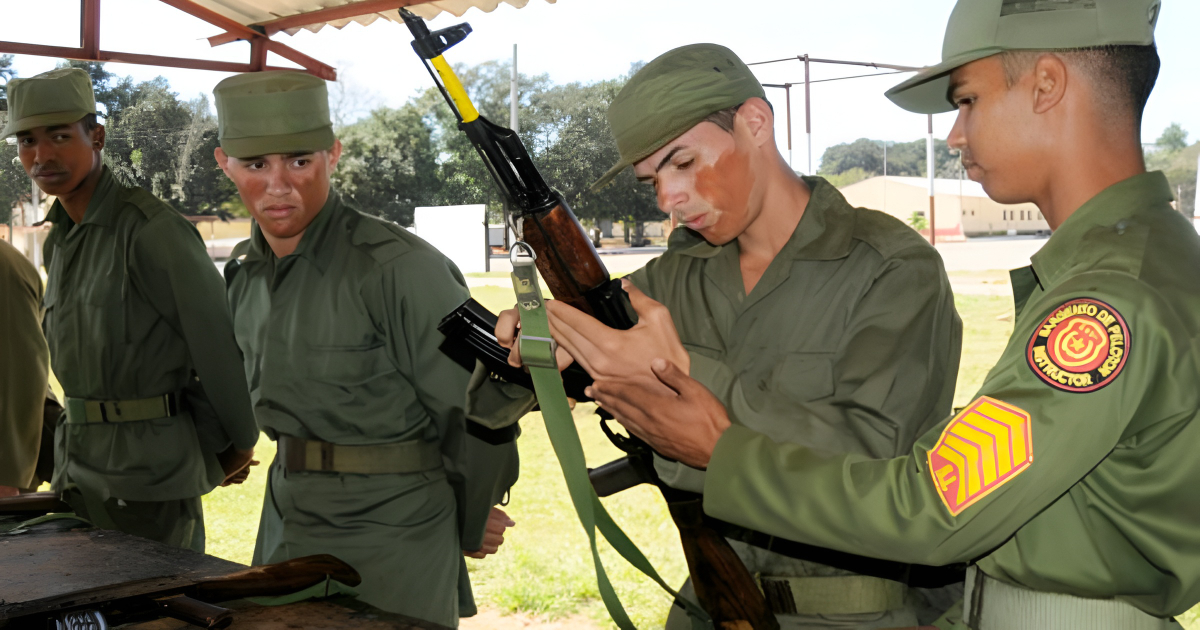
The Civic Thought Laboratory Cuba x Cuba published an analysis this Friday that illustrates how the Cuban Mandatory Military Service constitutes a machinery of death for the youth of the Island, which has claimed at least 67 recruits' lives between 2018 and early 2026.
The article, authored by journalist and researcher José Manuel González Rubines, cites information from the Cuba Archive project database, founded by researcher María C. Werlau, and describes the SMO as a form of deprivation of liberty without consent, which should be combated just like politically motivated incarcerations.
According to the records of Archivo Cuba, 27 of the deceased died by suicide, 16 due to severe negligence, 14 in accidents, four due to denial of medical care, three by murder, and three from unknown causes.
Other estimates place the deaths during the SMO at a higher number. According to the organization Cubalex, in 2025 alone, at least 19 young individuals lost their lives during their time as recruits.
González Rubines reviews the most well-known episodes: in August 2022, four recruits aged between 18 and 20 died burned in the fire at the Matanzas Supertanker Base, sent without resources or training to combat the flames of the largest industrial disaster in recent Cuban history.
On January 7, 2025, nine recruits and four officers were buried in an explosion at a military materials warehouse in Melones, Holguín. The Ministry of the Armed Forces officially declared them deceased on January 15, without the bodies being recoverable.
The researcher also highlights two recent cases of suicide. Abraham Limonta Estrada, 17 years old, took his own life in February 2026 at the Military Unit "La Marquesita" in Guantánamo, just three months after entering the Military Service Obligation. On March 16, Dailier Rodríguez Tamayo, 19 years old and originally from Ciego de Ávila, died at the Military Unit 10-24 in El Cotorro, Havana, despite a doctor's ruling at the Naval Hospital stating he should not carry weapons or be subjected to stress.
The early morning when Dailier took his life, he tried to call his mother, but she could not answer because there was no electricity or connection in her area. The family denounced negligence and a lack of transparency seven months after the death of their son.
González Rubines' analysis also indicates that Cuban legislation does not recognize the right to conscientious objection, which prevents young people from legally refusing this imposition. "The 67 that are known and those that are not had something in common beyond their age: they had lost their freedom before losing their lives. That sequence is the logic of a system. As long as that system remains intact, the list will continue to grow," the text concludes.
Filed under: