Related videos:
Thousands of Cubans living abroad could be affected by one of the main gaps in the Personal Identity and Residence System Bill, published by the regime for citizen consultation on July 10.
The regulation introduces new rules regarding the registration and updating of addresses, but it does not define how these will apply to those who emigrated years ago and still have their parents' or other relatives' homes in Cuba registered as their address.
Far from providing a clear answer, the project leaves fundamental questions unanswered. It does not specify whether those citizens will be able to retain their registered address on the island, whether they will need to register an address abroad, or how these cases will be resolved once the new legislation comes into effect.
That lack of definitions has raised concerns among many emigrants, who fear the possible implications of the reform.
The Article 8 defines domicile as “the place where a person habitually resides or intends to settle” and states that, in order to determine it, the authority will take into account elements such as “the physical presence in the location” and “the evidence of their intention to establish stable living conditions.”
Although this definition has raised questions about how it will apply to those who reside permanently outside the country, the project does not state that emigrants automatically lose their registered domicile in Cuba, nor does it specifically regulate their situation.
This is further compounded by the fact that Article 10 places on Cuban citizens the obligation to keep their address registration up to date. However, the text does not clarify the procedure for those living abroad nor whether they will be able to retain a registered address in Cuba while maintaining their habitual residence in another country.
Another article that has attracted attention is 13, which allows the owner or usufructuary of a property to request the cancellation of the household registration of individuals authorized to reside in that dwelling when they do not share rights of ownership or usufruct.
The provision could affect anyone listed as registered in a property belonging to another person, but the project does not establish specific treatment for emigrants nor does it anticipate that such cancellation would occur automatically due to residing outside of Cuba.
On the other hand, Article 12 clarifies that the registration of the address "does not create property rights" over the housing, meaning that residential registration and property ownership remain independent legal entities.
Overall, the project leaves one of the main concerns of the emigrant community unanswered: what will happen to the address of Cuban citizens who reside permanently abroad and maintain a registered address on the island.
Many of those responses may be addressed in the regulations that the Council of Ministers will need to approve following the eventual enactment of the law. The project itself refers the development of various procedures of the new system to that regulation, although for now there is no explicit reference to the treatment of the address of emigrants.
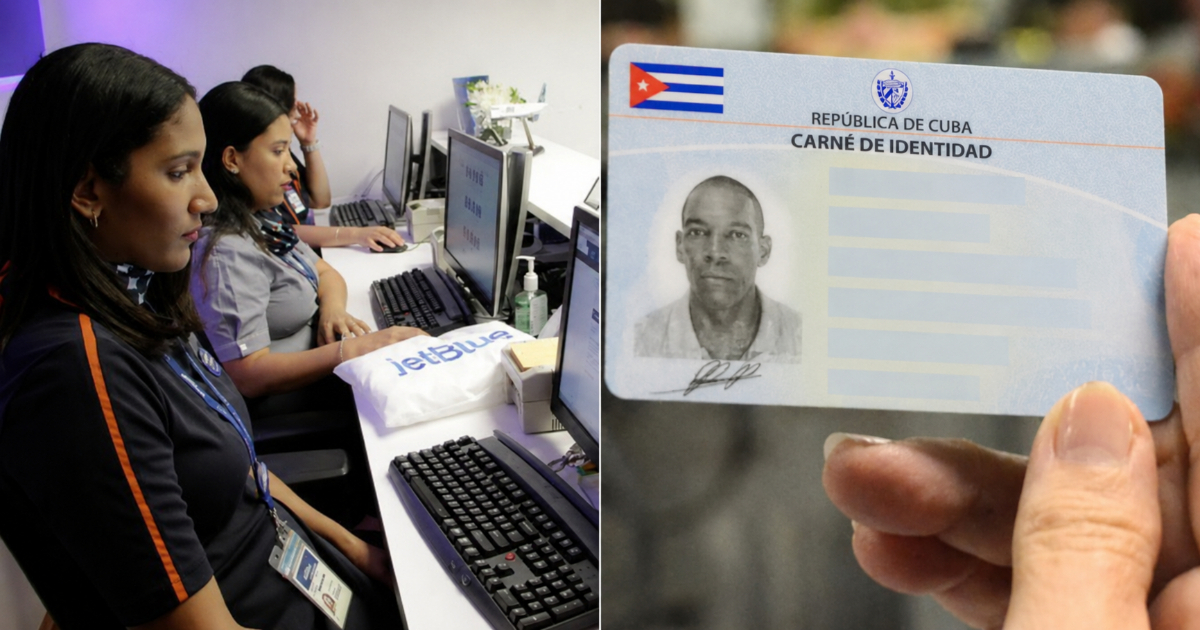
In addition to the new regulations regarding residency, the project introduces a Personal Identity and Residency System managed by the Ministry of Interior (MININT). Among its innovations is the incorporation of a digital identity for carrying out electronic procedures and an expanded biometric data registry that will include facial photographs, fingerprints, voice, iris, signature, skin color, eye color, and height.
The proposal also stipulates that Cuban consulates process applications related to Personal Identity and Residence Registration for citizens who are abroad. However, the text does not specify whether these mechanisms will include the registration or updating of the residence for those who reside permanently outside the country.
The project coincides with the entry into force of the , approved in 2024 and published in the Official Gazette in May 2026, which introduces the concept of "effective migratory residence" and establishes new rules regarding the stay of Cuban citizens.
The human rights organization Cubalex warned that this new legal framework widens the powers of state control over people's movement and consolidates a migration system with broad margins of administrative discretion.
Although the Bill on the Personal Identity and Address System and Law 171 regulate matters related to identification and the status of citizens, the former does not establish an explicit link between the address and actual migratory residence.
However, the coexistence of both regulations fuels the uncertainties of many emigrants, who are eager to understand how they will be interpreted and applied in practice once the law is approved and its regulations are published.
Filed under: