Related videos:
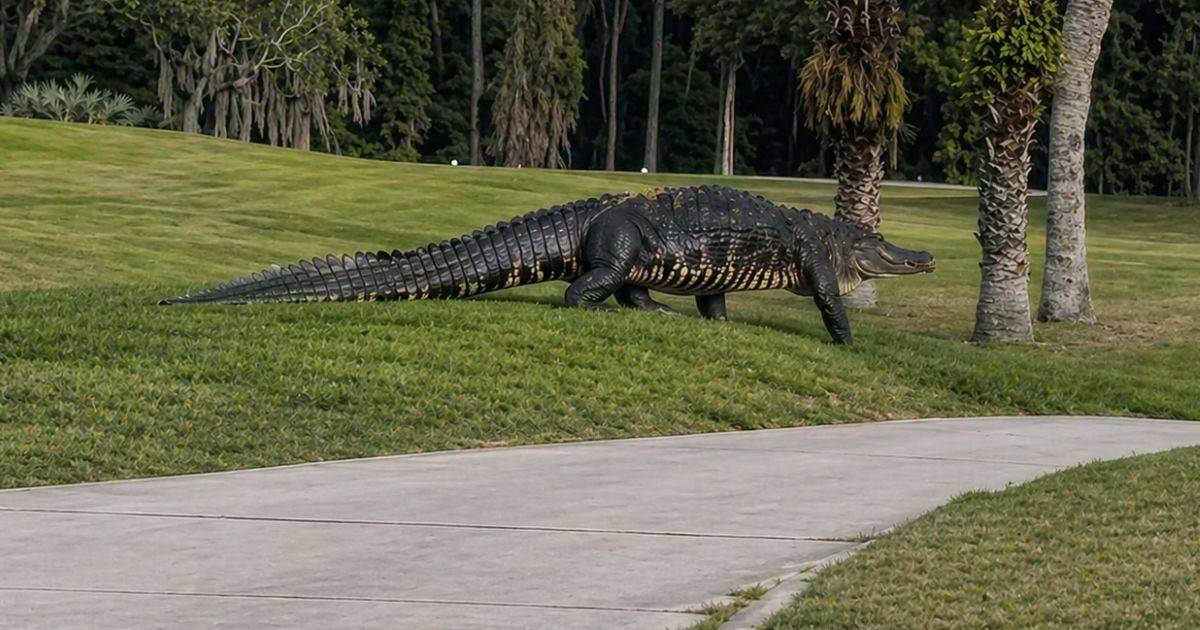
Three alligator attacks reported in less than two weeks have raised alarms in Florida and rekindled concerns among residents and visitors. In light of the series of incidents, state authorities explained that the increase in activity of these reptiles is due to a combination of seasonal factors and the severe drought affecting the state.
The first case occurred on June 21, when a 19-year-old was bitten while practicing surface diving in the Rainbow River in Marion County, recalls the network NBC Miami.
A week later, on June 28, Brittany Clark, a 31-year-old resident of Orlando, died after being attacked by a caiman approximately four meters long in the Econlockhatchee River, within the Little Big Econ State Forest, in Seminole County. The woman was walking with her boyfriend and a friend when the attack occurred, marking the first fatal incident recorded in that county.
On July 3, a third incident left a man who was fishing in his backyard injured, raising concerns about the increasing presence of these reptiles near populated areas.
According to the Florida Fish and Wildlife Conservation Commission (FWC), summer is the time of greatest activity for alligators because they are cold-blooded animals, and high temperatures promote their metabolism and mobility.
This is complemented by the reproductive cycle. Spring marks the beginning of the courtship and mating season, while at the end of June and the beginning of July, females build their nests and lay eggs.
Although some specialists believe that protecting the nests may cause females to react more aggressively, the FWC clarifies that "alligator mating activities are rarely associated with attacks."
Authorities believe that the main factor behind the increase in sightings this year is the severe drought impacting Florida. Large areas in the northern part of the state are experiencing exceptional drought levels, while other regions in the central-north are facing extreme conditions.
"The drought reduces the availability of their habitat," explained the FWC, forcing alligators to move in search of water, concentrate in lakes, canals, and smaller ponds, and approach residential areas more frequently.
The situation is especially critical in the Everglades, where the worst drought in the last 25 years is occurring, a scenario that encourages these reptiles to move into areas shared with the population.
Statistics show that attacks remain infrequent, though not exceptional. Since 1948, the FWC has documented 500 unprovoked bites, of which 33 were fatal, including the death of Brittany Clark.
In 2025 alone, there were 13 recorded attacks, two of which were fatal, according to data from the Florida Fish and Wildlife Conservation Commission.
Given this situation, the FWC recommends always maintaining a safe distance from any alligator, swimming only in designated areas and during the day, avoiding entering the water between dusk and dawn—when these animals are most active—and keeping pets on a leash and away from the water's edge.
The commission also reminds that feeding an alligator is illegal, as the animal may lose its natural fear of people and start to associate them with a source of food, increasing the risk of incidents.
If a specimen posing a danger is detected, residents can contact the toll-free line 866-FWC-GATOR (866-392-4286), through which the FWC sends licensed trappers to safely capture or remove the animal.
Filed under: