Around 26 Cuban entrepreneurs received specialized training in business management and sustainability through the program Inclusive Value Chains of the UNDP, which also provided technical support to 46 companies in Pinar del Río, Villa Clara, Holguín, Granma, and Santiago de Cuba.
With this new edition, the total number of people trained in Cuba using these methodologies reaches 43, as reported by the United Nations Development Programme (UNDP) in Cuba.
The initiative is part of the project "My Business", implemented in collaboration with the Ministry of Economy and Planning, its National Institute of Economic Research, local governments, and UNDP, with funding from the Swedish International Development Cooperation Agency (Sida).
The program applies three international methodologies—"On the Move," "Starting Your Business," and "Growing Your Business"—which are implemented in 16 countries around the world and aim to strengthen the business models of small local ventures.
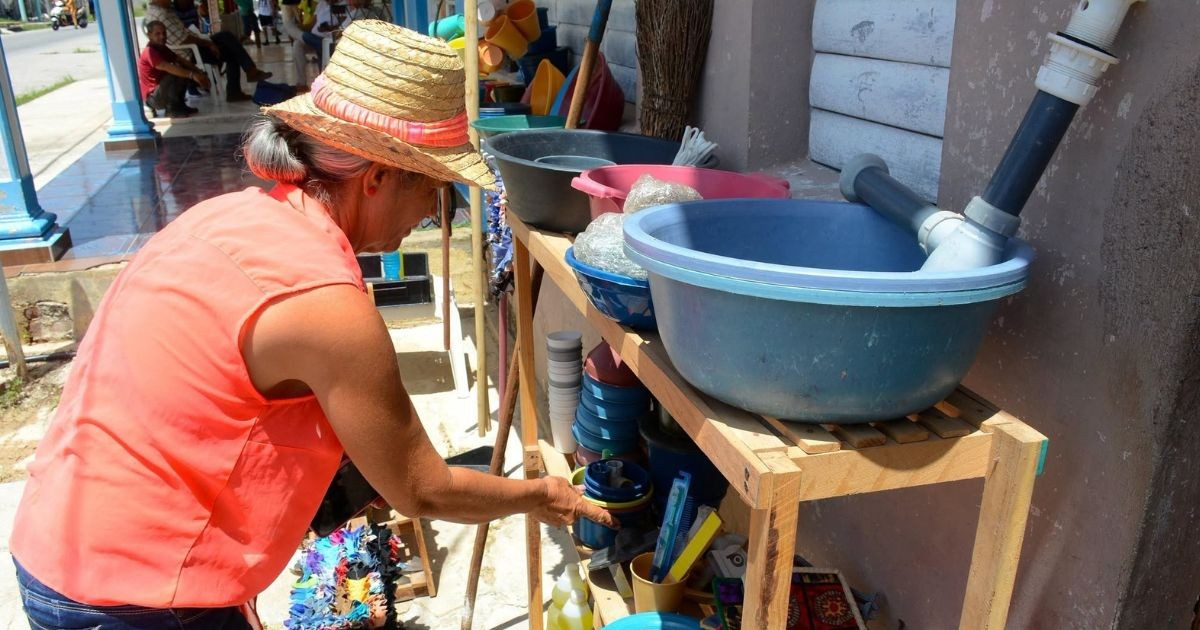
Among those benefiting from the program in its 2025 edition is Madelaine Rojas, a vendor in Caibarién, Villa Clara, whose stall of assorted items was selected for the pilot experience.
"It has been very useful to me because I had almost no knowledge of the subject. Now I keep a record of sales, I clearly know what sells the most, and I can categorize it by age groups and preferences," he stated.
Three out of every four ventures selected for the program are led by women, and one in three is owned by individuals under 35, according to data from UNDP.
Since its inception, the project has trained 628 individuals through seven open enrollment courses in the original four provinces, of which 46% are women and 42% are young people, in areas such as law, finance, marketing, and business management.
"We work with them in various ways, starting with personal exchanges, one-on-one. We examined the strengths and weaknesses of the venture, and from there, we created an improvement plan to find solutions to those weaknesses," explained Miguel Rodríguez, one of the ten advisors who graduated from the En Marcha Program in the four participating provinces.
The project also included the launch of the first microcredit product for small and medium-sized enterprises, called "Crece," through the Banco Popular de Ahorro in Bayamo.
The pilot concluded with 70 credits for over 15 million Cuban pesos in six months, benefiting 50 businesses, and later expanded to Pinar del Río and Santa Clara.
Support comes at a critical time for the Cuban private sector.
The private sector recorded its first historical reduction of active businesses in 2025 since its legalization in 2021, with 816 net closures, in an environment characterized by daily blackouts, inflation, restrictions on wholesale trade, and massive inspections.
Despite this adverse landscape, the private sector generates approximately 30% of national employment and over 50% of retail trade, making it a vital economic pillar for thousands of Cuban families.
In June of this year, the Cuban regime announced new rules for the private sector that remove the limit of 100 workers per company and allow an individual to own multiple businesses, although the regulatory environment remains uncertain for entrepreneurs.
Related videos:
Filed under: