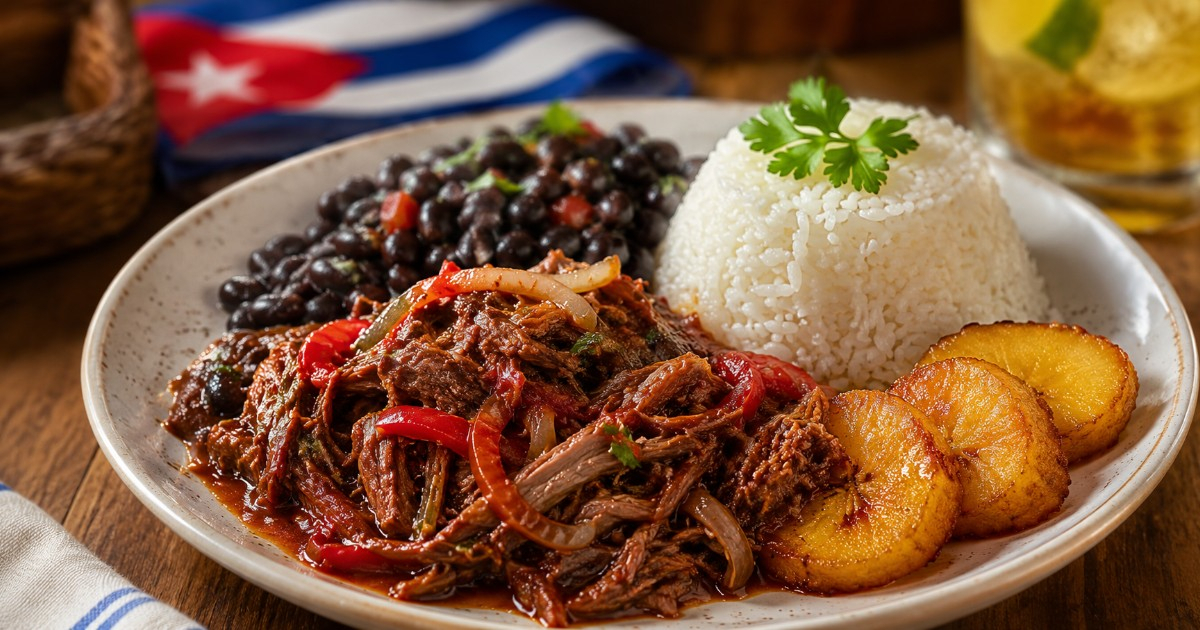
While a significant portion of the Cuban population lacks adequate access to food, a new generation of digital content creators showcases beautifully presented dishes, upscale cafés, and gourmet experiences on social media.
The organization Food Monitor Program (FMP) published an analysis regarding Cuban food influencers, highlighting the ethical, psychological, and social implications of this phenomenon amid the worst food crisis the island has faced in decades.
According to data from FMP and the organization Cuido60, 96.91% of the Cuban population lacks adequate access to food, and in 2025, one in three households —33.9%— reported that at least one member went to bed hungry in the last 30 days, an increase of 9.3 percentage points compared to 2024.
In that same context, five provinces are at a critical level of food insecurity: Havana, Matanzas, Cienfuegos, Guantánamo, and Santiago de Cuba.
The FMP describes the phenomenon as a "cognitive dissonance" that affects the average viewer: videos of private restaurants and high-cost paladares—whose dishes are equivalent to several days of minimum wage—circulate on the same platforms where millions of Cubans search for survival recipes.
"The food has stopped being a social pleasure and has become a logistical survival challenge for many," the report states.
The organization warns that the algorithms of Instagram, TikTok, and Facebook are not designed to reflect social reality, but rather to maximize user engagement.
"The algorithm does not distinguish between a sample of a lifestyle and the promotion of an unattainable fantasy; it only detects that visually appealing content generates more clicks," points out the FMP, an effect that the analysis describes as "digital gaslighting" or digital distortion of reality.
Drawing on the theory of social psychologist Leon Festinger, the analysis warns that constant comparisons with individuals of greater purchasing power—in a country where social mobility is blocked—do not generate aspiration but rather frustration, low self-esteem, and depression.
"The contrast between the 'self' that struggles for basic necessities and the 'digital other' that enjoys gourmet experiences creates a dissonance that erodes the mental health of the population, turning digital entertainment into a mechanism of involuntary psychological punishment," concludes the FMP.
The report also notes that many of these creators receive free meals or direct payments for reviewing establishments without disclosing it, turning their posts into covert advertising.
The influencer Flavia Blanco, questioned by a follower about how she feels promoting places that are inaccessible to most, responded: "I feel good. The country's situation, the dollar inflation, and restaurant prices are not set by me; greetings and blessings."
The FMP also identifies a dichotomy in the language of Cuban culinary content: while luxury influencers talk about "gourmet experience," "perfect pairing," or "impeccable presentation," creators who document scarcity use expressions like "what lasts," "at what price," or "the daily struggle."
In summary, they are two parallel universes coexisting on the same platforms, reflecting the social divide of the island.
The organization acknowledges that there are also exceptions among content creators: Ydalgo Martínez organizes solidarity lunches for elderly individuals in need, a model that the FMP highlights as an example of responsible use of platforms.
The analysis concludes that the solution lies not in censorship, but in responsibility.
"Omitting the crisis of hunger and poverty in digital discourse is not just a niche choice, but an act of rendering the national reality invisible," states the FMP, which urges creators to disclose their paid collaborations, include popular culinary culture, and highlight food security in their content.
The context in which this debate emerges is devastating: a recent survey revealed that one in three Cuban households experiences hunger, and 80% of Cubans believe that the current crisis is worse than the so-called Special Period following the fall of the Soviet bloc.
Related videos:
Filed under: