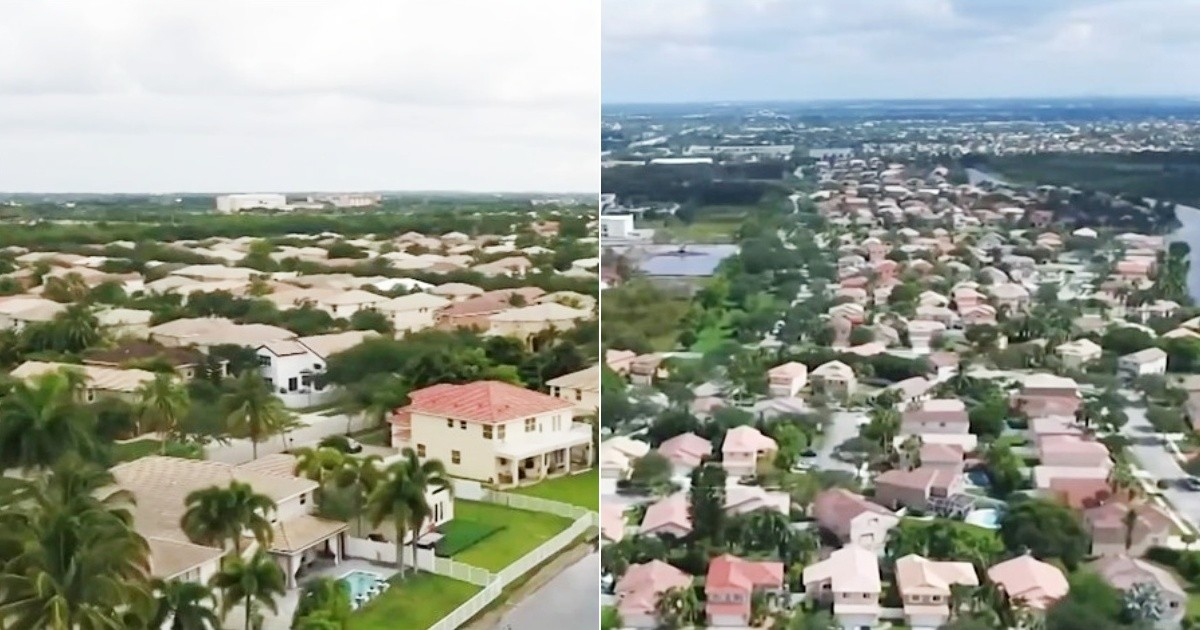
Florida tops the list of states with the highest number of foreclosures in the United States, according to a report released this Thursday that reveals that foreclosures increased by 71% across the country in the past five years.
According to data from ATTOM cited in the report, Florida recorded 27,494 foreclosures in the first half of 2026, which amounts to 0.27% of the state's housing units, or approximately one in every 373 homes affected, the highest rate in the country.
The state also ranked second in foreclosure starts during that period, with 20,358 cases, only surpassed by Texas.
The cities most affected in Florida are Punta Gorda, which has the highest rate among major metropolitan markets in the country at 0.50% of its housing units; Lakeland, at 0.48%; Cape Coral, at 0.35%; and Jacksonville and Ocala, both at 0.31%.
Jacksonville also ranks among the ten worst metropolitan markets in the country among cities with more than one million residents.
The report indicates that the impact is not evenly distributed: the annual average of foreclosures in communities where minorities live is three times the national average, according to an analysis that found that postal codes with a majority non-white population record foreclosure rates more than three times higher than the national average.
For the Latin communities in Florida —including the large Cuban community in the southern part of the state— this combination of factors is particularly detrimental, given the higher percentage of income allocated to housing and the lower capacity for savings.
Experts consulted attribute the rise to a confluence of economic pressures: mortgage rates that remained above 6.5% in 2025, property insurance costs that exceeded an average of $6,000 annually in Florida during 2024—almost four times the national average of $1,700—high taxes, and the end of the assistance programs implemented during the pandemic.
That last factor is key to understanding the trend: during 2020 and 2021, federal and state moratoriums artificially held back foreclosures, and as those protections expired, the market began to normalize upward at an accelerated pace.
These pressures are compounded by a structural housing deficit in Florida exceeding 120,000 units, with the average sale price above $440,000, far from the $258,000 affordable for a family with a median income in the state.
This gap limits the options for struggling homeowners to sell their property before it goes into foreclosure, trapping them in a cycle of debt that is difficult to reverse.
The Florida real estate market is also facing the exit of several insurers between 2022 and 2024, which has reduced competition and increased premiums, exacerbating the affordability crisis that had already been worsening since the price boom driven by internal migration and the arrival of investors during the pandemic.
According to ATTOM data for the first quarter of 2026, Florida recorded 10,099 foreclosure starts during that period, remaining the second most affected state in the country, with Lakeland being the worst metropolitan market among cities with over 200,000 residents, with one foreclosure for every 409 housing units.
Related videos:
Filed under: