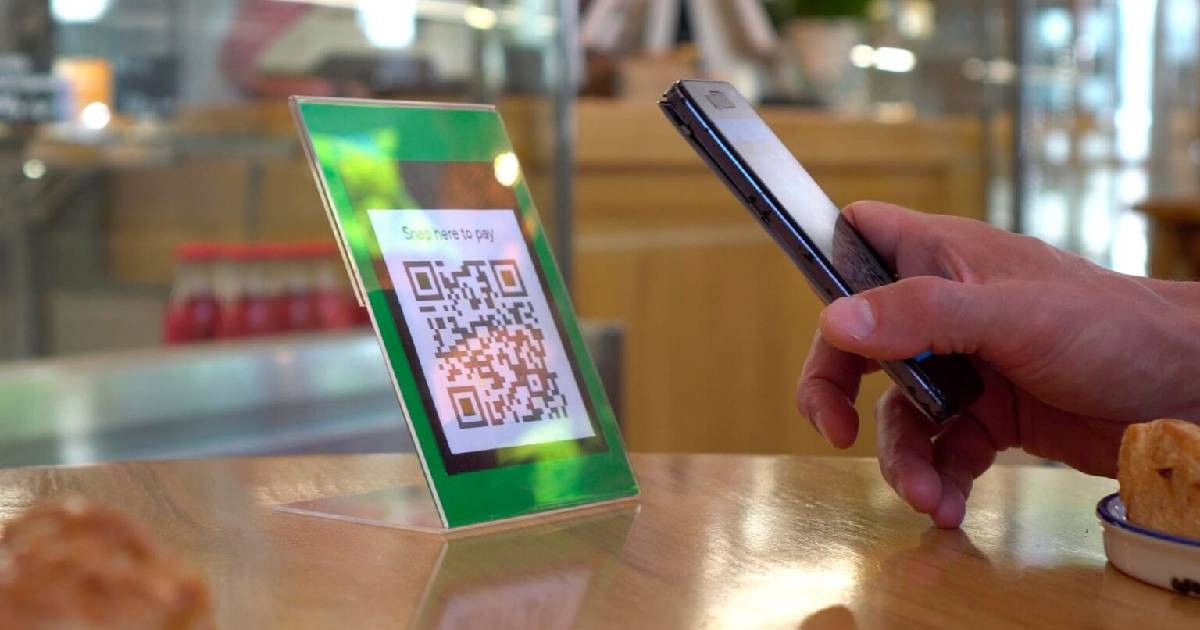
Yadi Torres Moraga raised alarms this Monday in the Facebook group MIPYME Santiago de Cuba by reporting a scam targeting private businesses and self-employed workers in the province, based on counterfeit electronic transfers that mimic official notifications from Pagos Móvil.
"I want to warn everyone to be extremely cautious with transfers, because they are scamming in a very well-prepared manner," wrote Torres, who reported that in less than a month, three different groups of people attempted the same fraud.
The scheme works like this: the alleged scammers approach the establishment, gain the owner's trust, and once they have selected the products, claim not to know how to make the payment online and ask for help.
Then they display a text message that appears to be an official notification from Pagos Móvil, featuring the name of the TCP, the exact amount, and the date, all designed to look legitimate at first glance.
The technical deception, however, has a detectable flaw: Pagos Móvil does not have the option to send SMS.
"If you click where it says 'Mobile Payments' to see the contact information, no phone number should appear. If a number appears, then it is not the official platform, but a disguised contact, and it is a scam," explained the whistleblower.
What scammers do is save a contact in their phone under the name "Pagos Móvil" and from that contact send or forward an edited message to simulate payment confirmation.
In the second attempt recorded by Torres, the individuals involved also displayed the supposed last 10 transactions made, which were also forged.
The complainant provided a detailed description of the alleged perpetrators in each of the three attempts: the first time, two men arrived on a tricycle; the second time, two young men on a scooter wearing helmets, one of them with a wing tattoo on his neck; the third time, a tall and thin man who was asking for large quantities of products while coordinating with a tricycle from outside.
"Bandits like those are numerous on the streets, and together we can prevent them from continuing to scam," concluded the complainant, urging that the post be shared so it reaches all businesses in Santiago de Cuba.
Torres Moraga's recommendation is clear and aligns with the warnings issued by ETECSA and Transfermóvil since 2024: do not deliver goods until verifying in the banking application itself that the money has been credited, without relying on messages, screenshots, or external confirmations of any kind.
This modality adds to a growing pattern of documented digital fraud in several Cuban provinces.
Recently, five residents of the Isle of Youth lost more than 300,000 pesos in scams involving bank transfers, and the victims reported that the National Revolutionary Police only took their statements without taking action, despite having information about the alleged perpetrator.
Last month, a Cuban alerted about a similar scam in Cienfuegos where the buyer transferred money to the phone of an accomplice.
Related videos:
Filed under: