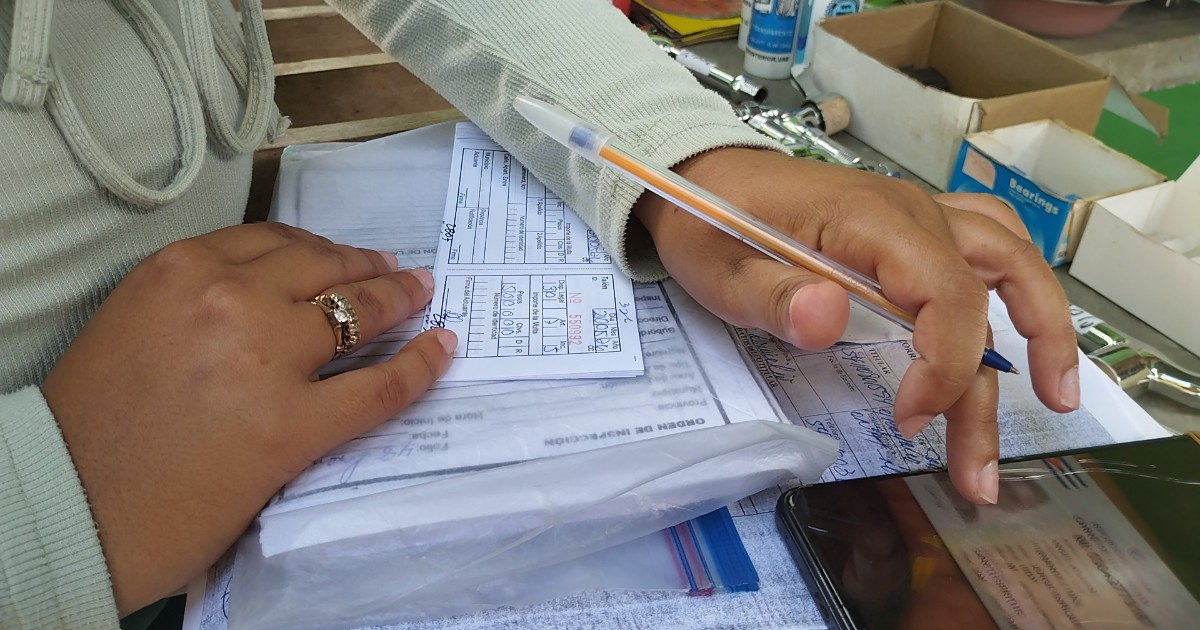
A regulatory exercise conducted in Sancti Spíritus resulted in over 200 fines and the closure of at least five establishments for violations primarily related to pricing and, to a lesser extent, electronic payment channels.
According to the state broadcaster Radio Sancti Spíritus, most of the sanctions were due to price violations, while a smaller group was related to non-compliance with the provisions on digital payments.
Among the detected irregularities are the refusal to accept online payments, the charging of different prices for the same product depending on whether the customer pays in cash or electronically, the sale of expired merchandise, deficiencies in product quality, and outdated consumer information.
Authorities reminded that charging a higher price when payment is made electronically constitutes a violation.
The inspections also found double pricing at fairs and sales points, which resulted in closure proposals.
Moreover, according to Radio Sancti Spíritus, several establishments were closed for repeatedly committing these violations.
The source identified at least five closed establishments: two located on Máximo Gómez street, one near the Joven Club de Computación at Kilo 12, an illegal bakery on the road to Zaza del Medio, and another establishment at the intersection of Garaita and Céspedes.
The actions covered establishments located on main thoroughfares and commercial areas of the city of Sancti Spíritus.
The exercise involved municipal and provincial inspectors, along with representatives from the National Office of Tax Administration (ONAT), Labor, and Domestic Trade.
The operation takes place amidst the challenges facing the financial inclusion policy that began in August 2023.
Resolution 111/2023 from the Central Bank of Cuba established provisions regarding collections and payments between economic actors, while the Resolution 93/2023 from the Ministry of Domestic Trade made payment facilities through national gateways or point of sale terminals a requirement for establishments registered in the Central Commercial Registry.
Data released by the official press indicates that only 3.77% of transactions conducted in Cuba are digital.
However, in the city of Sancti Spíritus, less than 10% of SMEs and self-employed workers regularly accepted transfers, according to figures released in May.
Cuban authorities also reported more than 15,240 fines and 269 closures related to violations of electronic payment regulations.
Among the obstacles noted by merchants is that many suppliers also do not accept transfers, which forces them to keep cash on hand to supply their businesses.
However, in July, the Central Bank modified Resolution 111/2023 through Resolution 74/2026, removing the fixed limit of 5,000 pesos for cash payments between economic actors in an attempt to encourage this form of payment.
Additionally, the commission applied to businesses for online payments has been reduced from 1.5% to 0.8%, as part of new measures aimed at stimulating digital operations.
Related videos:
Filed under: