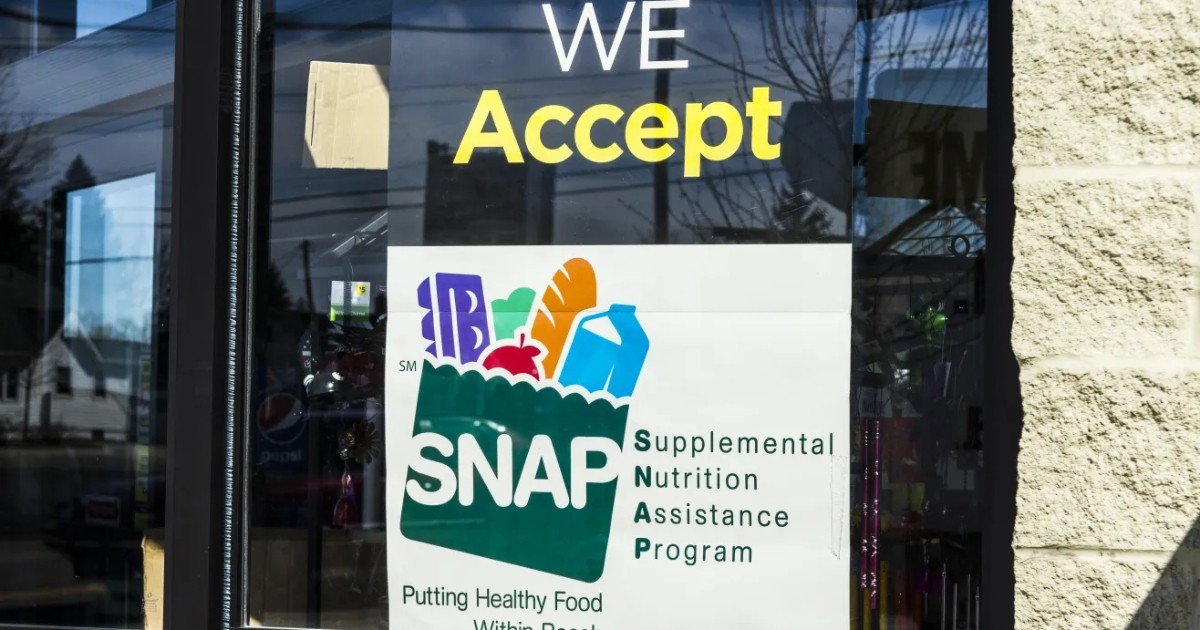
Florida could be forced to pay nearly $1 billion a year if it fails to correct the administrative errors affecting the SNAP food assistance program, commonly known as food stamps, which millions of families depend on, including many qualified Cuban immigrants.
According to Fox 13, the risk is not related to fraud but to failures in managing applications and records. According to federal data for fiscal year 2025, Florida's error rate reached 12.97%, more than double the 6% limit set by the federal government to trigger penalties.
Under current regulations, states that exceed an error rate of 10% must cover 15% of the total program cost, which in the case of Florida amounts to approximately 984 million dollars annually.
Mistakes have multiplied
The deterioration has been gradual. In 2018, during the last year of the administration of then-Governor Rick Scott, the error rate was 4.4%. During Ron DeSantis's tenure, the indicator rose to a peak of 15.1% before slightly declining to the current level.
According to Cindy Huddleston, an analyst at the Florida Policy Institute, the increase began when the state had to allocate a significant portion of its resources to manage emergency aid following several natural disasters.
"Florida would have to assume around one billion dollars a year just to pay for SNAP food benefits. The error rate skyrocketed because the state had to divert a significant portion of its staff and attention to provide emergency disaster benefits," he explained.
Experts also attribute the problem to staff shortages, high employee turnover, and the use of outdated technology systems.
Professor David Himmelgreen, from the University of South Florida and director of the Center for the Advancement of Food Security, noted that many workers lack adequate training and face a heavy workload.
"There is a lack of training for the workers. What I also hear is that there is a high turnover rate. It is a stressful job," he stated.
Fewer beneficiaries and changes to avoid sanctions
Currently, around 2.6 million people are receiving benefits from the SNAP program in Florida. However, this number has significantly decreased over the past year.
Between June 2025 and June 2026, the number of beneficiaries decreased from 2.97 million to 2.29 million, a reduction of nearly 23%. Among the most affected is the Hispanic community: about 189,000 Latinos lost their benefits between February 2025 and February 2026.
Facing the risk of a hefty fine, the Florida Legislature approved a series of reforms this year to improve the management of the program, including a budget allocation of 4 million dollars to hire an artificial intelligence system capable of detecting errors in eligibility processes before cases are incorrectly closed.
If the state fails to reduce the error rate, federal penalties would begin to be applied in October 2027, after the results of the fiscal year ending in September 2026 are evaluated.
For Sky Beard, director of No Kid Hungry Florida, the challenge is undeniable.
"Florida will have to have very difficult conversations and decide what to do about the error rate."
This decision will not only have consequences for state finances but also for millions of families who rely on food stamps to meet a basic need: food.
Related videos:
Filed under: