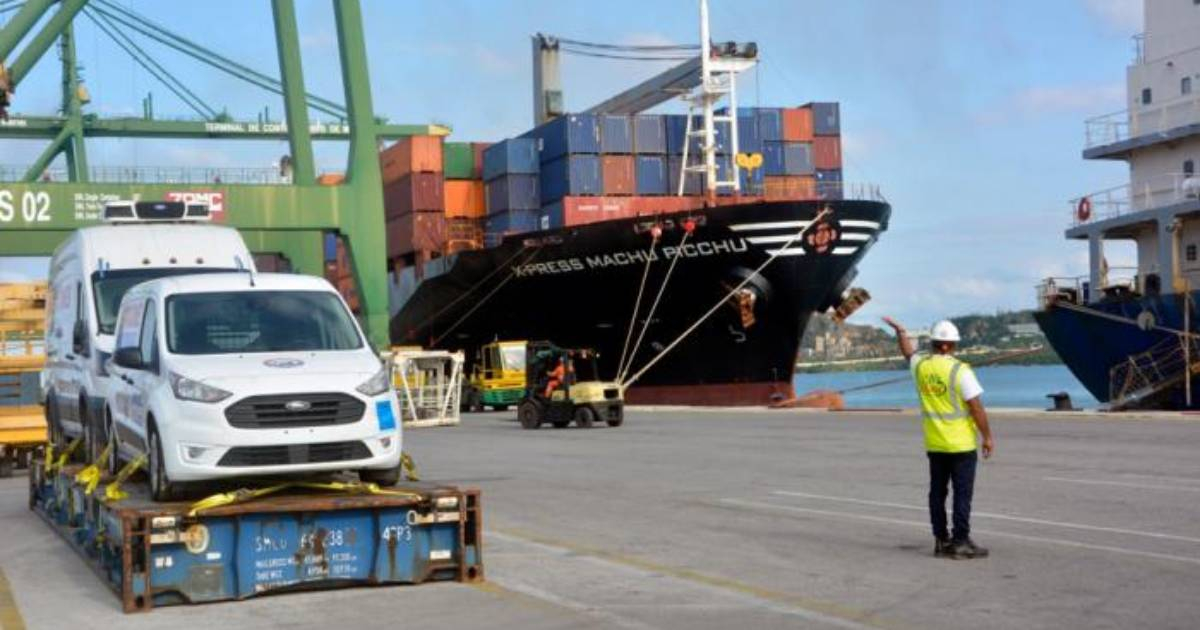
The Cuban government has established that not just any vehicle will be able to enter the national market. Starting from the new regulations published this Tuesday in the Official Gazette, only brands and models previously approved by a new state body will be allowed to be imported, assembled, or manufactured in Cuba. This measure adds an additional barrier to accessing cars, motorcycles, and other means of transportation.
The provision is part of Decree 163/2026, which reorganizes the rules regarding the transfer of property, marketing, and importation of vehicles, and establishes the Automotive Evaluation Committee, headed by the Minister of Transport and composed of representatives from various state agencies. Among its main functions will be to evaluate and approve the suppliers, brands, and models that may be marketed in the country through import, assembly, or domestic manufacturing.
According to the regulation, the committee must also oversee the implementation of the automotive policy and propose any adjustments it deems necessary, while the Minister of Transportation will approve the procedures for its operation.
The decision means that, even when a company or entity is authorized to import vehicles, they must correspond to brands and models previously approved by that authority, which reinforces state control over the available supply in the Cuban market.
Part of a broader reform
The restriction is part of a package of changes that replaces Decree 119 of 2024 and updates the policy on the purchase, sale, and importation of vehicles in Cuba. Among the new features are new rules for marketing, importing, assembling, and manufacturing vehicles, as well as incentives for electric models and the creation of a Fund for the Development of Public Transport.
The regulations also authorize the assembly and manufacturing of vehicles by state-owned companies, foreign investment modalities, and certain non-state legal entities that receive approval from the Council of Ministers, especially for new electric vehicles.
The Minister of Transportation, Eduardo Rodríguez Dávila, explained that these provisions are part of an update process that the Ministry has been developing for the past five years and incorporate new decisions stemming from the recent economic transformations approved by the Government. Among them, he mentioned the expansion of the number of authorized dealers, the elimination of the limit on purchasing six vehicles over five years, and new incentives for the assembly of electric vehicles.
This same regulatory package relaxes the assembly of vehicles under state authorization and establishes tax incentives for the domestic production of electric vehicles. The creation of the Evaluating Committee now adds a new requirement: prior approval of the brands and models that may be marketed on the island.
Related videos:
Filed under: